OpenAI Introduces ChatGPT Pro: $100 Tier for Gamers
The gaming industry just got a significant power-up. OpenAI’s announcement of a new ChatGPT Pro tier at $100 per month—featuring 5X higher usage limits for Codex compared to ChatGPT Plus—marks a pivotal moment for how developers will build the next generation of intelligent games. For gamers who’ve wondered why NPCs sometimes feel smarter, why procedural generation creates more believable worlds, or why adaptive difficulty feels almost supernatural, this news signals major changes ahead.
Let’s break down what’s happening and why it matters for your favorite games.

AI robot in game environment
What is ChatGPT Pro and Why Should Gamers Care?
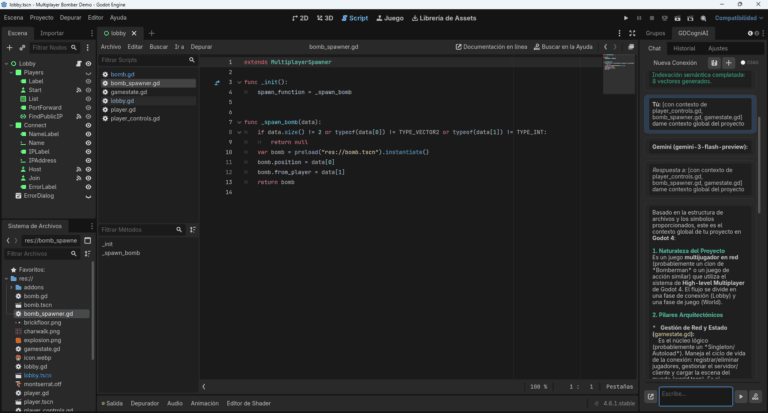
Think of ChatGPT Pro as a developer’s turbo-charged editing suite, but for artificial intelligence. OpenAI’s Codex—the engine powering code generation—is what enables game developers to write complex game logic faster. When OpenAI introduces ChatGPT Pro with 5X usage limits, they’re essentially giving developers five times more “thinking power” to generate, test, and refine code for game mechanics.
For context, ChatGPT Plus currently offers 100 messages every 3 hours. The new Pro tier dramatically increases this ceiling, allowing developers to iterate more rapidly on AI-driven features without waiting for quota resets. This isn’t just about speed—it’s about enabling entirely new possibilities.
In practical terms, imagine a developer building an NPC system for an open-world RPG like Baldur’s Gate 3. Instead of manually scripting thousands of dialogue trees and behavioral branches, they can use Codex to generate baseline code, test it against thousands of scenarios, and refine it—all within a single session. The higher usage limits mean fewer interruptions, faster development cycles, and more ambitious AI features shipping in games.
Codex: The Secret Weapon Behind AI-Generated Game Code
Codex is the specialized version of GPT that understands programming languages the way a native speaker understands English. When developers write a comment describing what they want—”create an NPC that patrols between waypoints and reacts to player presence”—Codex can generate functional, contextual code.
This has massive implications for game AI specifically:
- Faster NPC Behavior: Games like The Elder Scrolls Online feature hundreds of NPCs with daily routines. Codex can help generate the underlying behavior trees that make this possible.
- Procedural Generation at Scale: Survival games like No Man’s Sky generate entire planets procedurally. With 5X usage limits, developers can experiment with more complex generation algorithms.
- Adaptive Difficulty Systems: Games that adjust challenge in real-time (like Left 4 Dead) rely on sophisticated code. Codex makes iterating on these systems dramatically faster.
- Dynamic Quest Generation: Instead of manually writing every quest, developers could use Codex to generate quest logic templates that create emergent gameplay.
The 5X increase isn’t incremental—it’s transformational. Developers who previously had to batch their requests or work in shifts can now work continuously, experiment more boldly, and push AI integration further into their games.
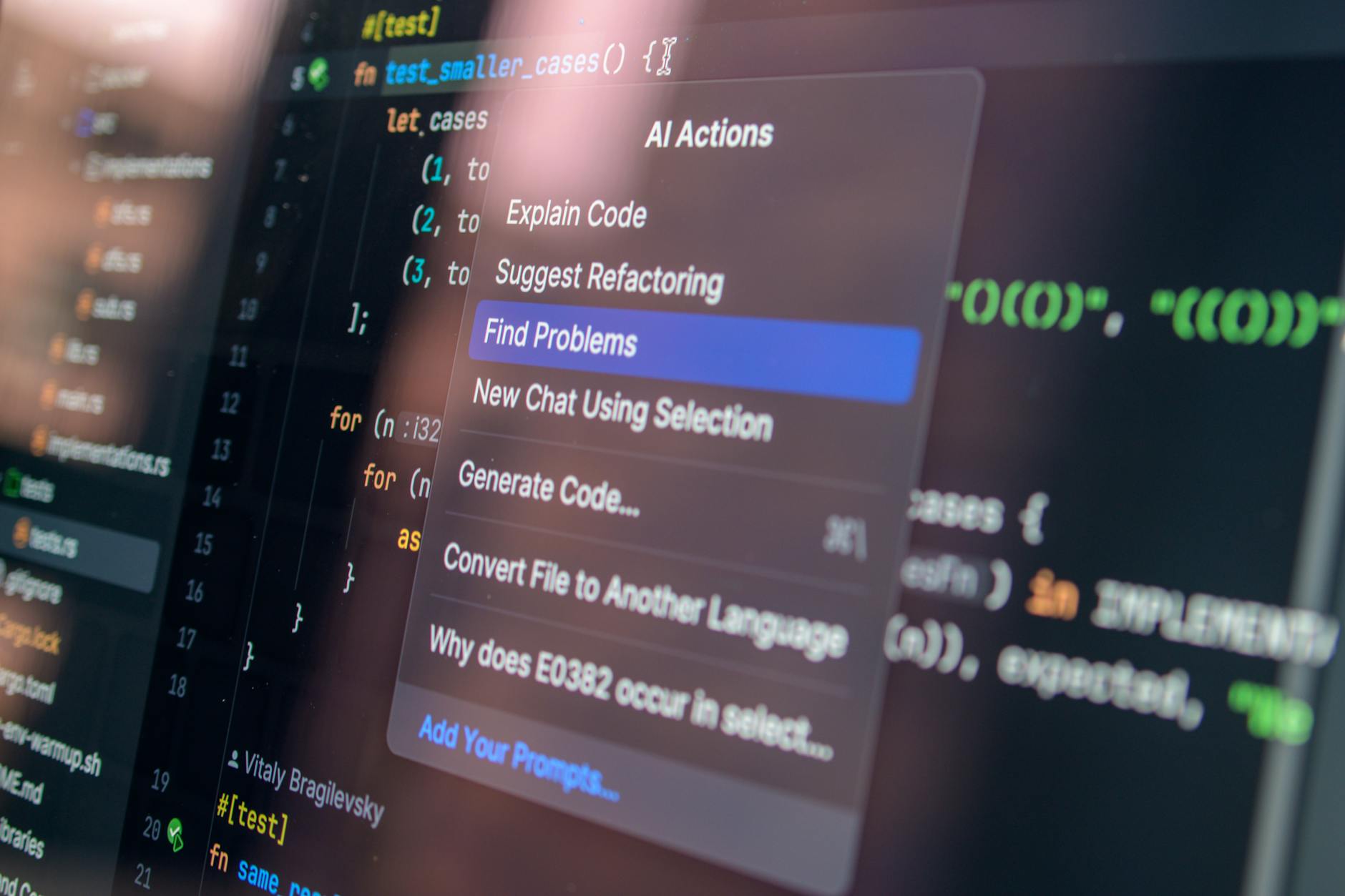 Photo by Daniil Komov on Pexels
The Broader Gaming AI Landscape in 2024
OpenAI’s Pro tier launch arrives alongside several other significant developments in gaming AI:
AI Agents Are Becoming Reality
The gaming industry is witnessing the emergence of autonomous AI agents. Companies like Claude, alongside OpenAI’s initiatives, are creating systems that don’t just respond to prompts—they act autonomously to solve problems. This is the difference between an NPC that responds when you talk to them versus an NPC that pursues goals independently.
Meta’s new proprietary AI model Muse Spark represents another major player entering the space. When major tech companies compete in AI capabilities, game developers benefit through more sophisticated tools and lower costs.
Security Implications for Game Development
With greater AI power comes greater responsibility. The story of Mythos—an AI system that autonomously exploited vulnerabilities that survived 27 years of human review—demonstrates that advanced AI systems can identify weaknesses that human teams miss. Game developers using ChatGPT Pro for code generation need updated security protocols to ensure AI-generated code doesn’t introduce exploits into multiplayer games or introduce vulnerabilities to hacking.
The Codec Revolution
A lesser-known but crucial trend: the gaming industry needs universal video codecs for full-motion video (FMV) games. As AI generates more cinematic content, having efficient compression standards becomes critical. Games with AI-generated cinematics will need robust technical standards to distribute efficiently.
Real-World Applications: How AI Shapes Games Today
To understand ChatGPT Pro’s impact, consider how AI already influences modern games:
Dynamic NPC Behavior
Baldur’s Gate 3 features NPCs with personalities, motivations, and unpredictable reactions. While not solely AI-driven, the game’s underlying systems benefit from sophisticated behavior coding—exactly what Codex accelerates. With 5X usage limits, developers can generate more branching dialogue paths and behavioral variations.
Procedural World Generation
Minecraft, Valheim, and No Man’s Sky all rely on procedural generation algorithms. These algorithms are computationally intensive to develop and refine. Codex’s improved access means developers can experiment with more sophisticated generation methods that create more believable, varied worlds.
Adaptive Difficulty
Games like Resident Evil 4 adjust enemy behavior based on player performance. The code underlying these systems—tracking player stats, predicting difficulty sweet spots, generating appropriate challenge—benefits tremendously from AI-assisted code generation.
Combat AI
Fighting games and action titles require enemies with realistic, challenging behavior. Dark Souls is famous for its punishing AI that learns player patterns. Generating and testing hundreds of enemy behavior variations is precisely where Codex excels.
The Economics of Game Development: How This Changes the Industry
ChatGPT Pro at $100/month might seem expensive, but consider the context. A mid-level game programmer costs $60,000-$100,000+ annually. If ChatGPT Pro increases a developer’s productivity by even 20%, it pays for itself many times over. The 5X usage increase means:
- Indie developers can compete with larger studios on AI features
- AAA studios can allocate programmers to more creative, less routine tasks
- Prototyping new game mechanics happens faster
- Experimental AI features become more economically viable
Game publishers like Black Tabby Games, which recently backed 1000xResist creator’s next game, are increasingly recognizing that AI development tools are essential infrastructure. Developers with access to superior tools ship better games faster.
What’s Next: The Future of AI in Gaming
The trajectory is clear. As OpenAI introduces ChatGPT Pro with enhanced capabilities, we’ll see:
- More Sophisticated NPCs: Characters that genuinely react to player choices rather than following scripted paths
- Larger Open Worlds: Games with more NPCs, more emergent systems, and more believable simulations
- Faster Game Development: Shorter development cycles mean more innovation and experimentation
- Competitive AI Features: Even smaller studios can implement advanced AI features, raising the bar industry-wide
- New Game Categories: AI-driven procedural storytelling, autonomous agent games, and hybrid human-AI narrative experiences
The challenge will be ensuring that AI-generated code maintains quality standards, security protocols, and creative integrity. But the opportunity is enormous.
The Bottom Line for Gamers
When OpenAI introduces ChatGPT Pro with 5X Codex limits, it’s not just a business announcement—it’s a catalyst for gaming innovation. Over the next 12-24 months, you’ll notice:
- NPCs that feel more reactive and unpredictable
- Larger, more detailed procedurally-generated worlds
- Faster-paced game development and more frequent updates
- Better adaptive difficulty that genuinely personalizes your experience
- Indie games with AAA-quality AI systems
The gaming industry’s AI revolution isn’t coming—it’s accelerating. And tools like ChatGPT Pro are the turbochargers driving that acceleration.