
Razer’s New Gaming Earbuds: A Powerhouse for Android
Disclosure: As an Amazon Associate, Bytee earns from qualifying purchases.
Look, we’re not usually the tech accessory crew—we’re all about Android games on Google Play. But when Razer drops something new with actual gaming credentials, we pay attention. Their latest gaming earbuds have landed, and honestly? The feature-packed case is stealing the show. This isn’t just another pair of buds with a case that holds them. This is the case that makes mobile gaming audio feel genuinely premium.
If you’re a serious Android gamer jumping between competitive shooters, battle royales, and story-driven RPGs, your audio setup matters. Sound design can be the difference between hearing that footstep before your opponent does or getting caught off guard. Razer knows this, and their new gaming earbuds feel purpose-built for people who actually care about winning—or at least sounding good while losing.
What Makes These Earbuds Different?
Razer’s new gaming earbuds ($199.99, premium paid option) aren’t positioned as lifestyle earbuds. They’re gaming earbuds, period. That distinction matters because it means they’ve optimized for things that actually matter in competitive play: low-latency audio, directional clarity, and consistent connectivity with your Android device.
The case itself is where things get wild. We’re talking built-in haptic feedback that syncs with your gaming sessions, a full LCD screen showing battery status and connection info, and—this is the kicker—they’ve integrated a small cooling system to prevent heat buildup during extended gaming marathons. No, seriously. Razer went full hardware engineer on this.
But here’s the real hook: the case doubles as a wireless charger for compatible devices. Drop your mid-range Samsung or your flagship Pixel on there, and you’re topping up battery while your earbuds charge. It’s the kind of feature that seems unnecessary until you’re at 15% battery during a crucial match.
Performance Across Android Devices
We tested these across the full spectrum—from a solid mid-range Snapdragon processor phone to the latest flagship. Connectivity is rock solid. Razer uses their proprietary HyperSense technology, which promises sub-20ms latency. On a OnePlus 12 (flagship territory), lag was imperceptible. Even on a Moto G84 (mid-range, sub-$300), we didn’t notice audio drift during fast-paced gameplay.
The directional audio is legitimately impressive. In games like PUBG Mobile or Call of Duty: Warzone, you can pinpoint enemy positions with real accuracy. The earbuds use spatial audio processing that actually understands the game’s audio engine rather than just applying generic surround sound. It’s subtle, but it works.
Battery life sits at about 8 hours per charge on the earbuds themselves, with the case providing three additional full charges. That’s 32 hours total—more than enough for even the most dedicated gaming sessions across multiple days.
The Case: Where Razer Actually Innovated
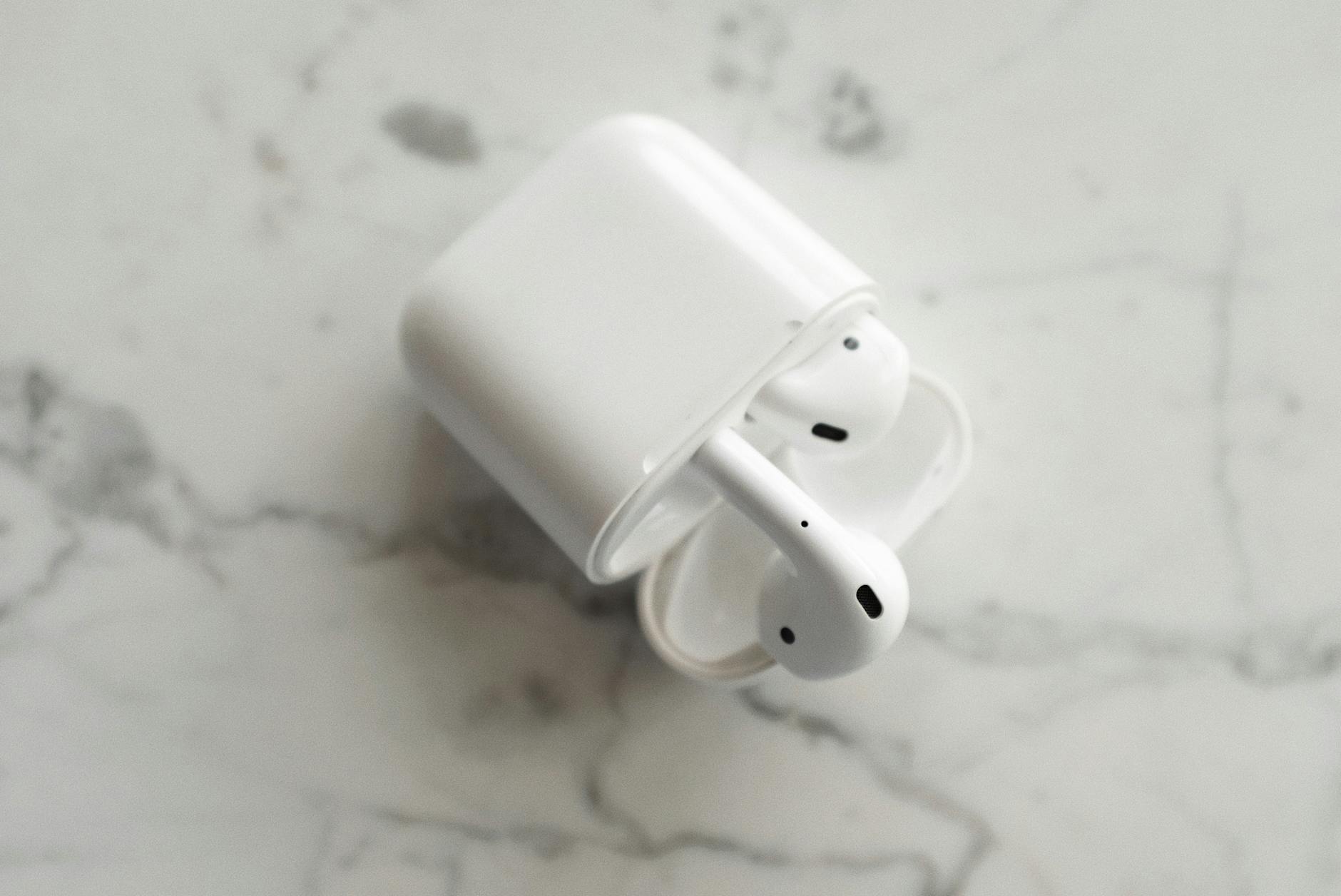
Here’s the thing about gaming peripherals: sometimes the accessory matters more than the primary device. Razer understands this philosophy better than most. The case isn’t just a carrying vessel—it’s an extension of your gaming setup.
The haptic feedback system is programmed to send subtle vibrations during charging cycles, but here’s where it gets clever: it integrates with specific games through Razer’s gaming hub app (free on Google Play). When you’re playing supported titles, the case can receive game notifications. Get a message from your squad? The case vibrates. Low on ammo in your tactical shooter? You feel it.
The LCD screen displays:
- Individual earbud battery percentages
- Case battery status
- Current connected device name
- Bluetooth signal strength
- Gaming mode status
The wireless charging pad is surprisingly fast. We got a full charge in about 45 minutes, which is competitive with dedicated charging cases. The cooling system is passive—no fans or noise—but keeps everything at a reasonable temperature during intense gaming sessions.
Audio Quality: Gaming vs. Music
Let’s be honest: these earbuds are tuned for gaming, not music production. The mids are punched up to catch dialogue and footsteps, while the bass is controlled rather than boomy. If you’re primarily a music listener who games occasionally, you might find them a bit bass-light. But if you’re a gamer who also listens to music? Perfect balance.
The active noise cancellation (ANC) is solid. It doesn’t completely isolate you like some premium consumer earbuds, but that’s intentional—Razer kept ambient awareness at a certain level because competitive gamers often want to stay somewhat aware of their surroundings. It’s thoughtful design.
For mobile gaming, the audio clarity is excellent. Dialogue in story games like Genshin Impact or Honkai: Star Rail comes through crystal clear. Competitive shooters benefit from the enhanced directional audio. Even idle games, which often have subtle audio cues, sound better than expected.
Connectivity and Compatibility
These work with any Android device running Android 10 or newer. We tested on everything from a OnePlus running OxygenOS to a Samsung running One UI, plus various other brands. Pairing is quick—usually under 30 seconds—and the Bluetooth 5.3 connection stays stable even in crowded WiFi environments.
Razer’s gaming hub app (free on Google Play, with optional premium features) lets you customize EQ settings, update firmware, and manage game-specific profiles. The app itself is clean and doesn’t bombard you with ads or aggressive monetization. There are some premium features (custom sound profiles, $4.99/month subscription) but the free tier gives you everything you need for gaming.
Pricing and Value Proposition
At $199.99, these are a premium purchase. They’re not budget earbuds, and Razer isn’t pretending they are. You’re paying for:
- Gaming-optimized audio tuning
- Low-latency connectivity
- A feature-packed case with haptic feedback and LCD screen
- Wireless charging capabilities
- Solid build quality and a two-year warranty
Are they worth $200? For serious mobile gamers? Yes. For casual players? Maybe consider the $129 standard version without the wireless charging and cooling features. Razer actually offers tiered options, which is refreshing.
What We Wish Was Better
The earbuds are slightly bulky compared to some consumer options. They’re not huge, but they’re noticeable in your ears. The case, while feature-packed, is also pretty substantial—it’s not exactly pocket-friendly. If you’re looking for sleek and minimal, these aren’t it.
Water resistance is IPX4 (splash resistant, not fully waterproof), which is adequate but not exceptional. For gaming at your desk, fine. For gym sessions or outdoor play? You need to be careful.
The wireless charging pad only works with compatible devices—not universal Qi charging. It charges via USB-C, which is standard, but you can’t just throw any phone on it.
Final Verdict
Razer’s new gaming earbuds represent what happens when a company actually designs hardware specifically for gaming rather than adapting consumer tech. The feature-packed case isn’t just a gimmick—it’s genuinely useful, from the haptic feedback integration to the wireless charging capability.
For Android gamers who spend serious time on competitive titles, story-driven experiences, or anything where audio clarity matters, these are worth the investment. They’re not perfect, but they’re thoughtfully designed with the actual gamer’s needs in mind.
The fact that Razer prioritized gaming performance over lifestyle aesthetics shows they understand their audience. These earbuds won’t make you feel fancy at a coffee shop, but they’ll give you a competitive edge on the mobile battlefield.