Mobile Mavens Review: Why Government Support Has Moved to Priority
Disclosure: As an Amazon Associate, Bytee earns from qualifying purchases.
Here’s the real talk: if you’re a game studio deciding where to plant your flag in 2025, government support just went from “nice bonus” to “make-or-break decision.” We’re watching this shift happen in real-time across the industry, and it’s reshaping where the best Android games are getting built. Whether you’re downloading from Google Play or scrolling through Game Pass, the studios behind your favorite titles are increasingly betting their growth on government incentives, tax breaks, and regional support programs. This isn’t just corporate bean-counting—it directly impacts what games get greenlit, which platforms get priority, and ultimately, what lands on your Android device.
The Mobile Mavens have been sounding the alarm about this trend, and the data backs them up. As global competition heats up between gaming hubs in the UK, Canada, Singapore, and beyond, studios are no longer treating government support as a cherry on top. It’s become a fundamental part of the business model. We’re seeing studios like Smash Games secure multi-million dollar UA financing to scale hits like Animal Suika, while Reforged Studios just locked down $30 million to build their global IP platform. Behind every one of these funding announcements? Strategic considerations about which jurisdictions offer the best incentive structures.
Why This Matters for Android Gamers Right Now
Let’s cut through the noise. When government support moves from “nice-to-have” to “priority,” it fundamentally changes game development. Studios can afford longer development cycles, higher production values, and smarter monetization strategies that don’t feel exploitative. It also means certain regions get more attention, investment, and exclusive content drops.
Take the UK’s gaming hub as a prime example. The government’s been pumping resources into making Britain a games powerhouse, facing off against global competition. That investment means more UK-based studios can take risks on innovative Android titles without immediately chasing whale players through aggressive gacha mechanics. Meanwhile, SayGames’ expansion into Vietnam signals how regional government support is opening new markets and creating opportunities for studios to diversify their player bases beyond the usual suspects.
For you as an Android gamer? This translates to better-optimized games hitting Google Play faster. When studios have stable government backing, they’re not forced to launch half-baked titles just to generate cash flow. They can spend resources on proper Android optimization—120Hz/144Hz refresh rate support for flagship devices, smooth performance on mid-range phones, battery efficiency that doesn’t drain your device in two hours, and proper controller support for those of us who like our games with a real gamepad.
The Monetization Shift: How Government Support Changes What You Pay
Here’s where it gets interesting for your wallet. Government-backed studios often have more breathing room with monetization models. Instead of launching with aggressive battle pass systems and limited-time gacha events designed to extract maximum spend, these studios can afford to be more player-friendly.
We’ve seen this play out across major Android releases. Genshin Impact, for instance, exists in this weird middle ground—it’s backed by miHoYo’s resources and China’s gaming ecosystem, which has its own government dynamics. The game launched on Google Play as freemium with gacha mechanics, but the core experience is genuinely playable without spending. You can clear content, enjoy the story, and progress meaningfully. The monetization is there, but it’s not predatory.
Compare that to games that launch without institutional backing, desperately chasing quarterly growth targets. Those tend to have more aggressive in-app purchase (IAP) strategies, shorter battle pass rotations, and FOMO-heavy event designs.
When government support becomes a priority, studios can afford to think longer-term. They’re not dependent on every quarterly earnings call. That stability means better games for Android players, period.
Regional Government Support: The New Competitive Advantage
The Mobile Mavens point out that government support has fundamentally reshuffled the competitive landscape. It’s not just about tax credits anymore—it’s about talent retention, infrastructure investment, and creating entire ecosystems where games studios can thrive.
The UK’s gaming hub is a perfect case study. By offering targeted support, tax incentives, and infrastructure for studios, the UK’s competing directly with Canada (which has a strong government support system), Singapore (a gaming powerhouse with significant state backing), and South Korea (which has been supporting games for decades). Each of these regions is now actively competing to attract studios and their Android releases.
What does this mean? Studios are making decisions based on where government support is strongest. Ubisoft Halifax’s recent closure and subsequent worker settlement is a reminder that without proper government backing and regional support, even major studios can face instability. But in regions with strong government commitment? You’re seeing studios double down.
Reforged Studios’ $30 million funding announcement specifically mentions scaling their global IP platform—that’s code for “we’re building infrastructure in multiple regions where government support makes sense.” That kind of capital investment filters down to Android gamers through better ports, faster content updates, and more localized experiences.
Collaborations, Crossovers, and the Government-Backed Studio Effect
One trend that really illustrates the government support shift? The explosion of major crossovers and collaborations. Wuthering Waves landing collabs with Angry Birds, Resident Evil, Pragmata, and more—that’s not random. That’s a well-funded studio with the resources to negotiate licensing deals and execute complex collaborative events.
Government support enables this stuff. When you have stable funding, you can afford to pay for IP licensing, coordinate across multiple platforms, and execute limited-time events that require significant engineering resources. Games without that backing struggle to land major collaborations because they’re perpetually cash-strapped.
For Android players, these collaborations often mean some of the best content drops. Crossover events tend to be polished, well-tested, and optimized across different Android devices. That’s because studios with government backing can afford QA teams that test across multiple device configurations—from budget phones with 4GB RAM to flagship tablets running at 120Hz.
The Developer Tools Revolution: AI and Automation
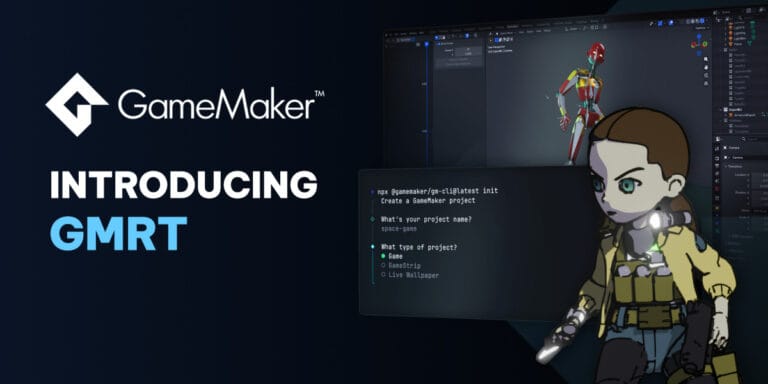
Here’s something the Mobile Mavens aren’t talking about enough: government support is now funding the development tools that’ll define the next generation of Android games. Roblox just launched agentic AI tools to speed up game development workflows. These aren’t free—they require significant R&D investment.
Studios with government backing can afford to invest in these new tools earlier, giving them a competitive advantage. They can build games faster, optimize for more Android devices, and iterate based on player feedback without burning through cash reserves.
That trickles down to players. Games built with cutting-edge development tools tend to be more optimized, have better controller support implementations, and run smoother across diverse Android hardware. A game built with AI-assisted optimization tools will perform better on your three-year-old mid-range phone than one built the old-fashioned way.
What This Means for Android Game Quality in 2025
Let’s be blunt: government support moving from “nice-to-have” to “priority” is actually good news for Android gamers. Here’s why:
Better Performance: Studios with stable funding can afford dedicated optimization teams. Your Android experience improves—especially on mid-range devices that don’t get enough attention from cash-strapped developers.
Longer Development Cycles: No more rushing half-finished games to Google Play. Government backing means studios can spend time getting it right before launch.
Less Predatory Monetization: When survival isn’t month-to-month, studios don’t need to extract maximum value from every player. You get better free-to-play games that don’t feel exploitative.
Platform Parity: Government-backed studios can afford to treat Android as a first-class platform, not an afterthought. That means simultaneous launches, proper controller support, and optimization for the full range of Android devices.
Innovation: Stability breeds experimentation. Studios with government backing can take risks on innovative gameplay mechanics, art styles, and monetization models that wouldn’t survive a quarter of poor performance.
The Flip Side: Concentration of Resources
Here’s the catch: as government support becomes more important, it naturally concentrates resources in a few key regions. That’s good for studios in the UK, Canada, Singapore, and similar hubs. But it potentially leaves independent developers and studios in less-supported regions at a disadvantage.
This could create a two-tier system: government-backed AAA Android games with massive resources, and scrappy indie titles trying to compete without institutional support. The middle ground—solid, well-made games from studios without government backing—might get squeezed.
That said, we’re also seeing interesting workarounds. Crowdfunding, publisher backing, and platforms like Google Play Pass are creating alternative pathways for quality games that don’t have government support. The ecosystem is adapting.
How to Spot Government-Backed Games on Google Play
You probably can’t directly see which studios have government backing from the Google Play Store listing, but there are tells:
Production Value: Polished UI, high-quality art, smooth animations—these cost money. If a game looks AAA, there’s likely institutional backing somewhere.
Multi-Platform Optimization: Games optimized for 120Hz displays, controller support, and smooth performance on budget phones require dedicated resources. That usually means government backing or major publisher involvement.
Regular Content Updates: Consistent, high-quality content drops (not just bug fixes) signal stable funding. Government-backed studios can afford ongoing development costs.
Major Collaborations: Licensed crossovers with established franchises require licensing budgets. That’s a sign of well-funded development.
No Aggressive FOMO: Games that don’t constantly pressure you with limited-time events and aggressive monetization? Often government-backed or major publisher titles that can afford to play the long game.
The Bottom Line for Android Gamers
Government support moving from nice-to-have to priority is reshaping the Android gaming landscape in real-time. It’s creating more stability for studios, better games for players, and more resources dedicated to proper optimization across the Android ecosystem.
The games landing on Google Play in 2025 are increasingly products of strategic government investment. That’s not inherently good or bad—it’s just the new reality. The key is understanding that the best Android experiences you’re getting right now are often backed by more than just great game design. They’re backed by policy, investment, and regional competition for gaming talent and studios.
For you as a player? Keep an eye on which regions are pushing government support hardest. The UK, Canada, and Singapore are absolute leaders right now. Games coming from those regions tend to get more development resources, longer refinement periods, and smarter monetization strategies. That translates directly to better experiences on your Android device.
FAQ: Government Support and Android Gaming
Does government support affect which games get Google Play Pass support?
Indirectly, yes. Google Play Pass features are curated around engagement and player satisfaction. Games with government backing tend to have better monetization design and longer development cycles, making them better candidates for subscription inclusion. However, Google Play Pass decisions are primarily about player value, not development funding sources.
Can I actually notice the difference between government-backed and independent Android games?
Absolutely. Look for performance optimization (120Hz support, battery efficiency), controller support, consistent content updates, and thoughtful monetization. Government-backed games typically excel in these areas because they have resources to invest in polish.
Does government support mean games are more expensive?
No—often the opposite. Stable funding means studios don’t need aggressive monetization to survive. Government-backed games tend to be more generous with free content and less predatory with in-app purchases.
Which countries have the best government gaming support right now?
The UK (strong incentive programs), Canada (generous tax credits), Singapore (strategic government backing), and South Korea (decades-long support infrastructure) are leading. These regions’ games typically see more Android optimization investment.
Will this affect indie Android game developers?
Potentially. As government support concentrates resources, independent developers face more competition for player attention. However, alternative funding (crowdfunding, publisher backing, niche communities) is creating new opportunities. The ecosystem is adapting, not consolidating completely.
Should I specifically seek out government-backed games on Google Play?
Not necessarily as a direct strategy—you can’t always tell from the store listing. Instead, look for the quality indicators mentioned above (performance, optimization, content updates). These tend to correlate with well-funded development, regardless of the funding source.