Xbox Game Pass Value & Doki Doki Policy Clash | Android
Disclosure: As an Amazon Associate, Bytee earns from qualifying purchases.
The gaming industry’s biggest conversations this week aren’t just about launching new titles—they’re about the fundamental value propositions that keep players invested. From subscription service economics to policy enforcement, we’re seeing a real shift in how companies approach their audiences. Let’s break down what matters for Android gamers right now.
The Xbox Game Pass Value Debate: Is the Subscription Actually Worth It Anymore?
Xbox Game Pass has been the gold standard for gaming subscriptions, but lately, players and industry analysts are seriously questioning whether the value holds up. At $11.99/month for Xbox Game Pass Ultimate (or $9.99 for standard), you’re getting access to hundreds of games, day-one releases, and cloud gaming support. Sounds incredible, right? Here’s where it gets complicated.
Major publishers like Activision Blizzard and EA have either delayed their titles hitting Game Pass or pulled them entirely. That means fewer AAA blockbusters arriving on day one—the original selling point. Meanwhile, subscription fatigue is real. Between Game Pass, PlayStation Plus, Nintendo Switch Online, and everything else, players are doing math that doesn’t always add up in Microsoft’s favor.
For Android gamers specifically, Xbox Game Pass on mobile opens up cloud streaming options through the dedicated Xbox app on Google Play, letting you stream thousands of console games to your phone or tablet. The experience depends heavily on your network connection and device specs. On a flagship Android phone or tablet with 5G or strong WiFi, cloud gaming is genuinely impressive. On budget Android devices or over 4G, it’s hit-or-miss. Battery drain is also a real concern—expect 2-3 hours of gameplay before needing a charge on most phones.
The honest take? Game Pass is still valuable, especially if you’re a heavy player who cycles through games quickly. But if you’re a selective player who sticks with 2-3 titles per month, it might be worth comparing the monthly cost against just buying individual games during sales on Google Play.
Doki Doki Literature Club’s Policy Clash: When Content Moderation Gets Messy
This week, Doki Doki Literature Club (DDLC) became the center of a heated debate about content moderation and artistic intent. The visual novel, available on Google Play, is famous for subverting dating sim expectations with psychological horror elements. It’s also free-to-play, which makes its availability on mainstream platforms even more significant.
The clash emerged when certain platforms started flagging the game’s content—specifically its darker themes and psychological manipulation mechanics—as potentially harmful to younger players. The developer, Team Salvato, has always been transparent about DDLC’s mature content, including warnings before players start. But the question remains: should platforms with broad audiences like Google Play enforce stricter content guidelines even when developers provide explicit warnings?
This matters for Android gamers because it signals how Google Play might handle boundary-pushing indie games in the future. If major platforms start aggressively de-listing titles based on psychological content alone, we lose access to innovative, experimental games that challenge traditional genre conventions. DDLC isn’t trying to hide what it is—it’s actually more honest about its content than many mainstream games that hide predatory monetization behind cheerful aesthetics.
The real issue isn’t DDLC’s existence. It’s whether players have the agency to make informed decisions. The game is free on Google Play, comes with content warnings, and developers were transparent from day one. That’s responsible game design. The moderation debate should focus on whether warnings are sufficient—not whether the game deserves to exist.
The Broader Context: Industry Shifts and What Android Players Should Care About
Beyond these two stories, this week revealed some important industry movements affecting Android gaming:
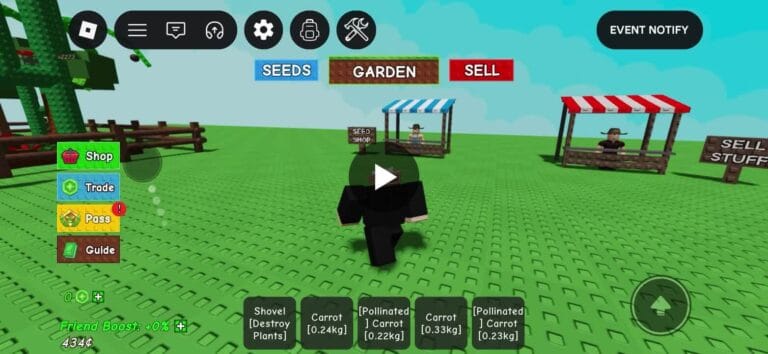
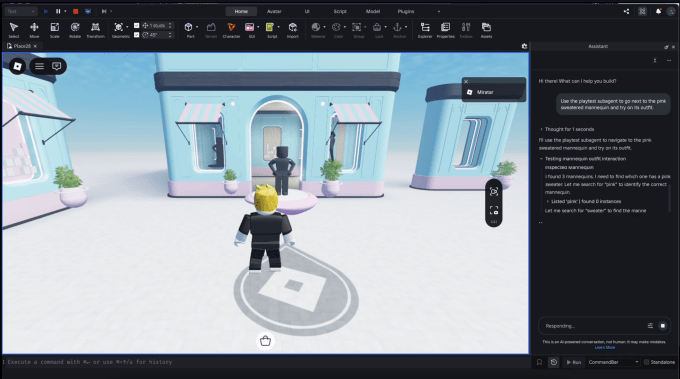
AI-Driven Game Development Tools Are Accelerating: Roblox launched agentic AI tools designed to speed up game creation workflows. ThinkingAI and MiniMax announced a partnership on an agentic engine for real-time operations. This means smaller indie studios can now compete with massive teams on development speed. For Android players, expect more diverse, experimental games hitting Google Play from studios that previously couldn’t afford AAA development costs.
The Jobs Crisis Persists: Over half of game industry workers affected by recent layoffs are still jobless. This brutal statistic means talented developers are either leaving the industry or joining indie teams with limited budgets. The ripple effect? More creative risks from scrappy teams, fewer massive tentpole projects, and consolidation among major publishers.
Investment in IP Platforms Continues: Reforged Studios secured $30 million to scale a global games IP platform. This suggests the industry still believes in platform-agnostic game ecosystems. For Android, this could mean more cross-platform experiences and better optimization for mobile devices.
Notable Releases and Updates This Week
If you’re looking for something fresh on Google Play, this week brought some solid options:
Jetpack Joyride Racing brings the beloved Jetpack Joyride formula into racing territory. It’s free-to-play with standard gacha mechanics for character unlocks, but the core gameplay loop is accessible without spending. Works great on budget Android phones thanks to scalable graphics.
Mongil: Star Dive offers arcade-style shooting with retro aesthetics. Free on Google Play, no aggressive monetization reported in early reviews. Controller support confirmed for those using Bluetooth gamepads.
Chill with You: Lo-Fi Story is a narrative-driven experience with lo-fi music integration. Freemium model with optional cosmetic purchases. Perfect for casual Android tablet gaming during downtime.
Disney Solitaire continues crushing it commercially—the game hit $230.9 million in player spending after its first anniversary. It’s free on Google Play with optional cosmetic IAPs. Battery optimization is solid, and it runs smoothly on devices from five years ago thanks to simple 2D assets.
Policy Enforcement and Platform Removals
Freecash was removed from both the App Store and Google Play this week following data scrutiny. The reward app had millions of users earning money through game engagement, but privacy concerns about data collection forced its removal. This is important context for any reward-based app—always read what data these services collect before signing up.
Almedia also responded after Freecash’s removal, clarifying its own data practices. This kind of transparency matters, especially as more players become aware of what information they’re trading for in-game rewards.
Cross-Platform Collaborations Expanding
Highrise partnered with Neopets for a limited-time mobile crossover, bringing beloved 90s-era pet mechanics into modern mobile gaming. Highrise is free on Google Play with cosmetic IAPs. The Neopets collaboration adds exclusive cosmetics and pet designs—purely cosmetic, no gameplay advantage.
Barcelona-based Side Quest Games officially launched to make sports games for “underserved” fans. While these titles aren’t released yet, expect niche sports experiences hitting Android that major publishers ignore due to smaller audiences.
What’s Coming: Call of Duty Film and Long-Term Industry Trends
Paramount confirmed Call of Duty’s film adaptation for June 2028. While this doesn’t directly impact Android gaming, it signals that major IP owners see mobile platforms as increasingly important for cross-media marketing. Expect mobile tie-in games when the film releases.
FAQ: Your Xbox Game Pass and Android Gaming Questions Answered
Is Xbox Game Pass free? No. Xbox Game Pass Ultimate costs $11.99/month and includes cloud gaming on mobile. Standard Xbox Game Pass is $9.99/month but doesn’t include cloud gaming. Both include hundreds of games, but major AAA titles occasionally have delayed arrivals or exclusions.
Is Xbox Game Pass on Google Play Pass? No. Xbox Game Pass is a standalone subscription available through the Xbox app on Google Play, not included in Google Play Pass (which is a separate service for Android apps and games).
Does Xbox cloud gaming work on budget Android phones? Technically yes, but practically? It depends on your network. Budget phones struggle with sustained 5G or WiFi 6 performance. If you’re on a phone from the last 2-3 years with decent specs, you’ll have a smooth experience. Older devices or those on 4G will face latency issues and stuttering.
Does it support controllers? Absolutely. Xbox Game Pass cloud gaming pairs seamlessly with Xbox controllers and most Bluetooth gamepads. For the best experience, use an official Xbox controller or a high-quality third-party option like 8BitDo controllers.
Battery drain—how bad is it? Streaming games drains batteries faster than local play. Expect 2-3 hours of continuous gameplay before needing a charge on most phones. Tablets last longer thanks to larger batteries.
Is Doki Doki Literature Club really free? Yes, completely free on Google Play. No IAPs, no gacha, no hidden paywalls. Just pure narrative experience with optional cosmetics in some versions.
Does DDLC work on older Android phones? Yes. It’s a visual novel with minimal processing demands. Even phones from 5+ years ago handle it without issues. Storage is minimal at around 500MB.
Can I play these games on Android tablets? Yes. Xbox Game Pass scales beautifully to larger screens. Visual novels like DDLC actually feel better on tablets thanks to readable text and immersive full-screen presentation. Solitaire games are perfect for tablets during relaxation sessions.
Bottom Line: What Matters This Week
The value debate around Xbox Game Pass is legitimate, but it doesn’t invalidate the service—it just means you need to evaluate whether it fits your gaming habits. For casual players? Maybe not. For heavy players who want variety? Still solid.
The DDLC policy clash highlights something crucial: content moderation should respect developer transparency and player agency. Warnings exist for a reason. If you’re mature enough to read them and make informed decisions, platforms should trust you.
The broader industry trends—AI acceleration, job market struggles, and IP consolidation—are reshaping what kinds of games get made. Android players should expect more experimental indie titles alongside fewer massive tentpole releases. That’s actually exciting if you’re tired of the same formulas.
Stay informed, read those content warnings, check monetization models before downloading, and support developers who respect your time and wallet. That’s how you actually get good games on Google Play.