Sega and Rovio Expand Angry Birds: WildBrain Deal Verdict
Disclosure: As an Amazon Associate, Bytee earns from qualifying purchases.
Hold up—the bird-flinging revolution just got a whole lot bigger. Sega and Rovio are officially expanding the Angry Birds licensing empire by partnering with WildBrain, and honestly? This is the kind of industry move that reminds us why Angry Birds has dominated mobile gaming for over a decade. We’re talking about a franchise that’s already conquered smartphones, tablets, and living room consoles getting even MORE ambitious with its content strategy. Let’s break down what this means for Android gamers, what new experiences might be heading to Google Play, and whether you should care about licensing deals in the first place.
What’s Actually Happening Here?
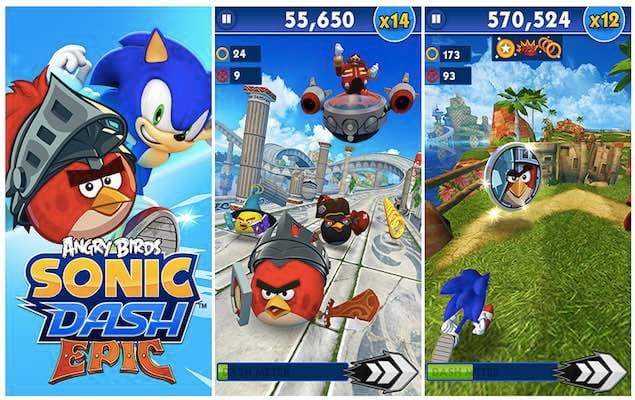
So here’s the deal: Sega owns Rovio Entertainment (they acquired them back in 2021), and together they’re bringing WildBrain into the Angry Birds ecosystem as a licensing and content partner. WildBrain is a massive animation and entertainment company that’s been producing content for franchises like Sonic, Strawberry Shortcake, and Johnny Test. This partnership essentially means we’re getting deeper animated content, potentially new game experiences, and more Angry Birds stuff across multiple platforms.
For Android gamers specifically, this could mean fresh games hitting Google Play Store—whether that’s new titles in the main franchise, spin-offs, or entirely different game genres featuring Angry Birds characters. The licensing expansion is a signal that Sega and Rovio are doubling down on keeping the bird empire relevant in 2025 and beyond.
Why Does This Matter for Mobile Gamers?
Here’s the truth: licensing deals might seem boring compared to gameplay announcements, but they’re actually crucial. When a major company like Sega partners with a content powerhouse like WildBrain, it means investment. More investment typically equals better production quality, more frequent updates, and longer-term support for games on Google Play.
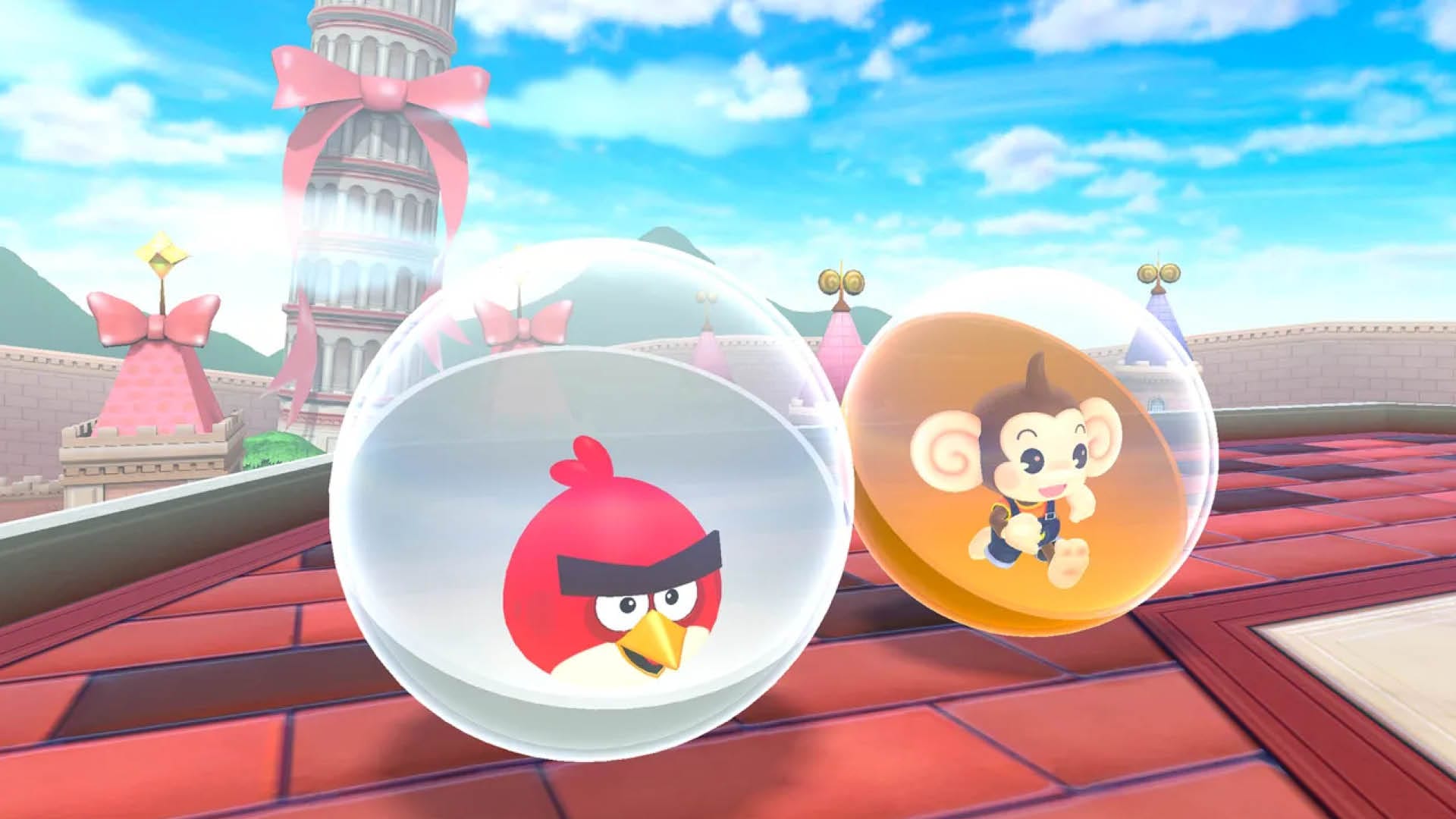
The Angry Birds franchise has been smart about diversification. You’ve got casual puzzle games, action titles, RPGs, and even battle royale-style experiences all wearing the Angry Birds skin. This WildBrain partnership likely means we’ll see even more creative game genres getting the Angry Birds treatment, which is fantastic for variety-hungry Android players.
What’s also interesting is the timing. We’re seeing major publishers and IP holders getting serious about mobile again. Pokémon is actively teasing more mobile integration with Pokémon Unite, Sleep, and GO references in their anime. Sanrio just launched an in-house publishing label with a $62.9 million investment. The message is clear: mobile gaming is no longer a side hustle for big franchises—it’s a primary revenue driver.
What Angry Birds Games Are Currently on Google Play?
Before we speculate about future releases, let’s talk about what’s actually available right now for Android users:
Angry Birds Reloaded (Freemium) — This is the mainline puzzle game that started it all. It’s free to download with in-app purchases for power-ups and cosmetics. The game runs smoothly on most Android devices, though newer high-end phones will handle the 120Hz refresh rate better on compatible devices. No controller support here—it’s pure touch-based gameplay.
Angry Birds Reloaded is available on Google Play Pass if you’re a subscriber, which means unlimited play without hitting the energy/lives paywall that typically gates progression.
Angry Birds Evolution (Freemium) — A collectible RPG hybrid that lets you upgrade and evolve bird characters. This one’s heavier on the gacha mechanics, so expect loot boxes and character summons. Still free, but progression can be slow without spending.
Angry Birds Journey (Freemium) — Launched in 2020 as a more casual, relaxing take on the puzzle formula. Fewer complicated mechanics, more chill vibes. Great for playing on your commute without intense focus.
Angry Birds 2 (Freemium) — The sequel with updated graphics and more dynamic levels. Includes multiplayer arenas where you compete against other players. Standard freemium energy system applies.
All of these games are free to download on Google Play Store, though they all feature in-app purchases and ads. None of them require a paid upfront cost, making them accessible entry points for curious players.
Performance on Android Devices
The good news: Angry Birds games are optimized for a massive range of Android hardware. These aren’t demanding titles in the way that Genshin Impact or Call of Duty: Mobile are. You can absolutely play on budget Android phones without performance issues.
That said, here’s what matters for the Android experience:
Older Phones (Android 9-10, 2-3GB RAM): Angry Birds Reloaded and Journey run perfectly. Minimal battery drain. No issues whatsoever.
Mid-Range Phones (Android 11-12, 4-6GB RAM): All Angry Birds titles run smoothly. You’ll notice faster loading times and cleaner animations compared to older devices. Battery impact is negligible.
Flagship/Gaming Phones (Android 13-14, 8GB+ RAM): Everything maxes out. The newer games take advantage of higher refresh rates (120Hz/144Hz) for buttery-smooth animations, though honestly, the gameplay doesn’t demand it.
Tablets and Foldables: Angry Birds games scale beautifully to larger screens. The puzzles don’t gain any strategic advantage on a tablet, but the visual experience is more immersive. Foldables handle the games fine—no specific optimization issues.
Controller Support: Standard Angry Birds titles don’t support controllers. This is touch-only gaming. If you’re looking for controller-compatible casual games on Android, you’d want to check other titles in your library.
What Could Come Next?
This WildBrain partnership opens some interesting doors. We could potentially see:
Animated Tie-In Games: WildBrain’s expertise is animation and content. New Angry Birds games could launch alongside animated series or shorts, creating a cohesive entertainment experience.
Character-Focused Spin-Offs: Instead of just “Angry Birds with new mechanics,” we might get dedicated games for specific characters with their own storylines and gameplay styles.
Cross-Franchise Collaborations: WildBrain works with Sonic and other IPs. Don’t be shocked if you eventually see crossover events or guest character appearances in Angry Birds games.
Console-to-Mobile Ports: If Sega and Rovio create new Angry Birds console experiences, we’ll likely see Android versions follow.
The industry context here matters too. Roblox is growing its full-time staff to 3,000+ people, signaling massive confidence in their platform. Meanwhile, Sanrio’s $62.9 million investment in an in-house publishing label shows that legacy entertainment companies are treating mobile gaming as a core business, not an afterthought. Angry Birds is following the exact same playbook—deepen content, expand partnerships, build long-term value.
The Monetization Reality Check
Let’s be real about what “freemium” actually means for Angry Birds players:
What You Get Free: Full access to hundreds of levels. Complete gameplay loops. Fun without spending a dime.
What Costs Money: Power-ups that make difficult levels easier. Cosmetic skins and bird character upgrades. Sometimes, energy/lives systems that gate how much you can play per day.
The Honest Take: You can absolutely beat most Angry Birds games without spending money. It just requires patience and replaying levels. If you want to progress faster or unlock cosmetics, you’ll need to spend. The games don’t force purchases, but they do incentivize them pretty aggressively.
Google Play Pass Option: If you’re a Google Play Pass subscriber ($9.99/month or included with some Google One plans), several Angry Birds titles offer ad-free, premium currency benefits. This is the “cleanest” way to experience the games without the monetization friction.
Why Licensing Deals Matter to You
When Sega and Rovio expand Angry Birds licensing with WildBrain, it’s not just corporate chess. Here’s why it impacts you as a player:
1. Long-Term Support: Bigger partnerships mean bigger budgets. Bigger budgets mean regular updates, bug fixes, and new content instead of games being abandoned after a year.
2. Quality Standards: WildBrain isn’t some random studio. They have a reputation to protect. Games produced under this partnership will likely meet higher quality bars.
3. Cross-Platform Consistency: When entertainment companies partner with game publishers, they ensure the IP experience is consistent across games, shows, and merchandise. You get cohesive storytelling.
4. More Variety: Licensing expansion = more game genres and experiences. The Angry Birds universe can only get so big under one studio. With WildBrain’s involvement, expect creative experimentation.
The Bigger Mobile Gaming Picture
This Angry Birds news doesn’t exist in a vacuum. We’re seeing a clear trend: major IP holders are investing heavily in mobile.
Pokémon is actively integrating mobile games into their anime narrative. Sanrio launched a publishing label with nearly $63 million in backing. Government support for game studios is becoming a competitive advantage in choosing where to build teams. The mobile gaming market isn’t slowing down—it’s consolidating around franchises and partnerships that have staying power.
Angry Birds has that staying power. The franchise has been relevant for 14+ years because it evolved beyond its original puzzle-game roots. This WildBrain partnership is just the next chapter in that evolution.
Should You Care?
If you’re already playing Angry Birds games on Android, this news means you should expect continued support and new experiences in the pipeline. If you’ve never touched the franchise, now’s actually a perfect time to jump in—Google Play Pass access to several titles makes it a low-risk entry point, and the games genuinely are fun despite the freemium trappings.
The core question: Does licensing matter to casual players? Not directly. You don’t need to understand corporate partnerships to enjoy flinging digital birds at pigs. But indirectly? These deals are what keep games alive, keep studios funded, and keep innovation happening in mobile gaming. So yeah, it matters.
FAQ
Is Angry Birds free on Google Play?
Yes. All current Angry Birds games are free to download and play. They’re freemium, meaning they include optional in-app purchases, but you can complete games without spending money.
Are Angry Birds games on Google Play Pass?
Yes. Several Angry Birds titles are included with Google Play Pass subscriptions ($9.99/month or bundled with Google One). This gives you premium features and removes ads.
Will this work on my older Android phone?
Absolutely. Angry Birds games are designed to run on a wide range of hardware. Even phones from 2019-2020 will handle them smoothly. Older phones might see slightly longer load times, but gameplay is unaffected.
Do Angry Birds games support controllers?
No. Standard Angry Birds titles are touch-only. There’s no controller support across the main franchise games currently available on Google Play.
What’s the difference between the Angry Birds games on Google Play?
Angry Birds Reloaded is the classic puzzle game. Evolution is an RPG hybrid with collectible birds. Journey is a more casual, relaxing version. Angry Birds 2 has multiplayer and updated graphics. All are free with in-app purchases.
Does the WildBrain partnership mean new games are coming soon?
Almost certainly, but there’s no official announcement yet. Licensing deals like this typically result in new game announcements within 6-12 months. Keep an eye on Google Play Store for new Angry Birds titles in 2025.
Is this just marketing hype or will it actually impact games?
It’s both. Licensing partnerships provide real resources and creative input, which impacts game quality and longevity. But yes, there’s also a marketing component—these deals are announced to build momentum and investor confidence. The practical result: better games, longer support, more content.