Sol Protocol Quest 3 VR: September Release & Preview
Disclosure: As an Amazon Associate, Bytee earns from qualifying purchases.
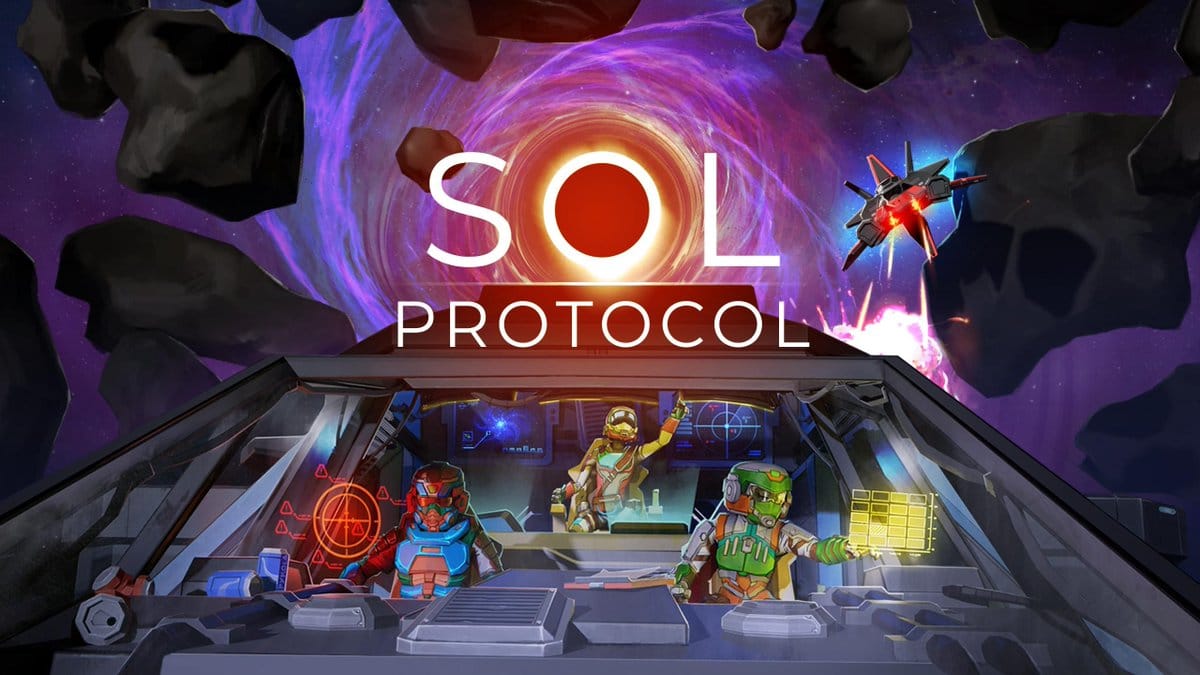
Alarms scream in spatial audio as your teammate frantically welds the breached airlock shut while you manually cycle the power cell into a heavy plasma rifle to hold off incoming boarding drones in deep space. That visceral panic—where cold sweat dampens your facial interface while your hands shake trying to rack a charging handle—is precisely the kind of tactile presence that Sol Protocol Quest 3 VR delivers. Built from the ground up for standalone virtual reality ahead of its September release, this tactical sci-fi extraction roguelike makes every corridor push feel like an emergency broadcast.
- Platform(s): Meta Quest 3 (Reviewed), Meta Quest 2, Meta Quest Pro
- Genre: Co-op Space Roguelike / Tactical Shooter
- Developer: Voidline Interactive
- Price: $29.99 (Meta Horizon Store)
- Play Area: Standing / Roomscale (min 2.0 × 2.0 m recommended)
- Game Length: Procedural (35–50 minutes per run, infinite replay loop)
- Motion Sickness Risk: Moderate
What Is Sol Protocol? VR-Native Space Roguelike & Headset Support
Sol Protocol arrives as a VR-native cooperative space roguelike developed specifically around the processing overhead and tracking strengths of modern standalone hardware. Dropping into the Meta Horizon Store this September with a $29.99 price tag, the title puts up to four players—or brave solo salvagers—into the depressurized hulls of drifting megastructures orbiting a dying sun. Developer Voidline Interactive has explicitly steered clear of flat-to-VR port shortcuts, ensuring that every button, plasma conduit, and maintenance console requires physical hands-on manipulation rather than abstract button prompts.
Squad expeditions last roughly 35 to 50 minutes, balancing tight, resource-starved exploration with frantic defensive standoffs. While single-player salvage runs provide a deliberate, stealth-focused survival horror pacing, the game thrives on squad cohesion. You navigate randomized sector maps, scavenging reactor fuel, hacking dormant automated defenses, and securing prototype weapons before oxygen reserves deplete or hostile drone swarms overwhelm your perimeter. Headset support targets the entire Meta Quest standalone line, but the experience is tuned aggressively to leverage the expanded computational headroom of the Snapdragon XR2 Gen 2 chip.
The VR Experience: Zero-G Immersion, Scale, and Shipboard Presence
The sense of physical scale inside Sol Protocol hits the moment you step through a shattered hangar bay into open vacuum. Floating debris stretches across your full 6DoF field of view, while planetary rings cast sweeping, high-contrast shadows across derelict bulkheads. On Quest 3’s pancake lenses, the visual clarity is razor-sharp across the entire sweet spot, eliminating chromatic aberration and reducing the dreaded glare that used to plague high-contrast sci-fi titles on older optical stacks. Dynamic interior lighting casts elongated player shadows down rusted bulkheads as emergency flashlights cut through thick atmospheric particulate.
Sound design anchors the physical immersion. When inside pressurized corridors, gunshots crack with harsh metallic reverb that bounces off corrugated steel walls. Once the airlock cycles and atmosphere vents into the void, audio snaps into muffled, bone-conductive thuds—you hear your own heart rate, the mechanical hiss of thruster micro-bursts, and the clunk of magnetic boots locking onto exterior scaffolding. Physical interactions are entirely diegetic: opening security doors requires prying access panels loose with your service tool and manually re-routing glowing circuit relays, turning basic shipboard maintenance into tense, sweat-inducing cooperative tasks under fire.
Gameplay Deep Dive: Co-op Synergy, Motion Controls, and Comfort
Combat in Sol Protocol revolves around distinct squad loadouts and manual gun handling. The Heavy class shoulder-mounts deployable hardlight barriers and manually cranks ammo drums into ballistic cannons, while the Engineer carries the repair torch and arc welder needed to seal hull breaches and recharge team shielding. Weapon handling feels weighty and mechanically authentic: heat sinks must be physically ejected when carbines overheat, and spent fuel rods require a firm two-handed yank before slamming fresh canisters home into the receiver.
Comfort options are robust, offering adjustable peripheral tunneling (vignette), variable snap angles, and dedicated seated height calibration. While standard interior walking is gentle on the inner ear, Zero-G exterior salvage demands acclimated VR legs. Pitching and rolling along exterior hulls using wrist-mounted thrusters can produce mild disorientation during high-speed evasive maneuvers, though grabbing yellow-painted guide rails grounds your balance effectively during intense 45-minute procedural salvage sorties.

Platform Breakdown: Quest 3 Optimization vs Quest 2 & Potential PC VR Ports
Running natively on Meta Quest 3, Sol Protocol hits a rock-solid 90Hz native refresh rate during standard interior exploration, occasionally utilizing Application SpaceWarp (ASW) only during massive multi-tiered horde battles with volumetric smoke. Quest 3 owners enjoy dynamic shadow maps, specular highlights across metallic suits, and significantly denser particle effects during depressurization events. In contrast, the Quest 2 build scales down render resolution, relies heavily on static lighting bakes, and exhibits noticeable foveation around the perimeter of the Fresnel lenses to maintain playable framerates.
| Headset | Visual Quality | Price | Exclusive Features | Verdict |
|---|---|---|---|---|
| Meta Quest 3 | High (Native dynamic lighting, crisp pancake lens clarity) | $29.99 | Full visual fidelity, 90Hz targets, high-res textures | Best Standalone Experience |
| Meta Quest 2 | Medium (Aggressive foveated rendering, reduced particles) | $29.99 | Core feature parity, lower rendering scale | Playable but visually compromised |
| PC VR / PSVR2 | TBD (Projected Ultra settings, potential eye-tracked foveation) | TBD | High-res dynamic shadows, uncompressed textures (Roadmap) | Anticipated 2026 expansion |
While the initial September rollout remains exclusive to the standalone Meta ecosystem, Voidline Interactive has hinted at potential SteamVR and PlayStation VR2 ports further down the development roadmap. For now, Quest 3 stands as the definitive showcase hardware for the game’s lighting engine and responsive physical interactions.
Verdict: Will Sol Protocol Anchor Your Co-op VR Library?
Sol Protocol hits the sweet spot between the tense tactical survival of Into the Radius and the frenetic cooperative weapon crafting found in Mothergunship: Forge. Its procedural sector generation and branching equipment trees give squads a compelling reason to suit up night after night. Minor physics hitches can crop up when multiple players frantically scramble for the same airlock latch, but the sheer tactile thrill of manual weapon clearing under red emergency lights makes it an essential multiplayer addition.
Overall Score: 8.5 / 10
Meta Quest 3: MUST-BUY (The premier co-op sci-fi shooter for standalone VR)
Meta Quest 2: BUY (Solid gameplay loop, though visual compromises are apparent)
Best For: Tactical VR squads and roguelike enthusiasts craving physical, diegetic weapon mechanics and atmospheric sci-fi tension.
Frequently Asked Questions
Does Sol Protocol support cross-play or single-player solo runs on Meta Quest headsets?
Yes. Sol Protocol features full cross-generation multiplayer across Meta Quest 3, Meta Quest 2, and Quest Pro. Solo players can also run full salvage campaigns offline or online with balanced enemy scaling and AI-managed life support systems, though the difficulty is significantly more punishing alone.
How does Sol Protocol handle VR motion sickness during zero-G space traversal?
The game employs a Moderate comfort rating. Interior movement uses standard smooth locomotion with optional snap-turning and dynamic field-of-view tunneling. During Zero-G spacewalks, players can enable roll-stabilization cages, grab physical railings to ground their orientation, or customize thruster acceleration to prevent vestibular disconnect.
Will Sol Protocol release on PC VR or PSVR2 after the Quest 3 September launch?
At launch, Sol Protocol is exclusive to Meta Quest standalone hardware ($29.99). The developer has indicated that PC VR (SteamVR) and PlayStation VR2 editions are being explored for post-launch roadmaps, but Meta Quest 3 remains the lead development platform with native visual enhancements.