AI writes the code but a human has to care Review & Verdict
Disclosure: As an Amazon Associate, Bytee earns from qualifying purchases.
Here’s a truth that the gaming industry is finally waking up to: AI writes the code, but a human has to care. That phrase isn’t just catchy—it’s become the rallying cry for developers who understand that behind every line of procedurally generated content, every algorithm-optimized feature, and every data-driven decision, there needs to be actual passion. As we’ve watched the Android gaming landscape explode with AI-assisted development tools, machine learning matchmaking, and procedural generation systems, we’re seeing a fascinating split emerge. Some studios are using AI as a crutch to ship soulless grind-fests. Others? They’re wielding it as a tool to amplify human creativity, craft better gameplay loops, and genuinely care about player experience. Let’s dig into how this philosophical divide is reshaping Android gaming in 2026 and beyond.
The AI Revolution Meets Player Reality
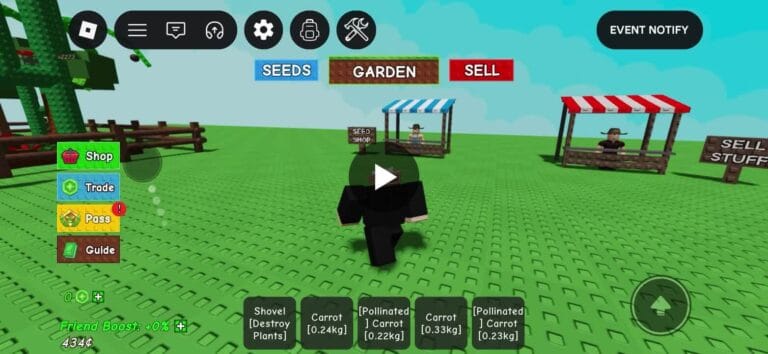
The Android gaming ecosystem has fundamentally shifted. When Roblox announced their workforce grew 24% to over 3,000 full-time staff, it wasn’t just a headline about hiring—it was a statement about values. More humans in the room means more people who care about whether that AI-generated quest line actually *feels* good to play. It means more QA testers catching the weird edge cases. It means more narrative designers smoothing out the robotic dialogue that an LLM spit out at 2 AM.
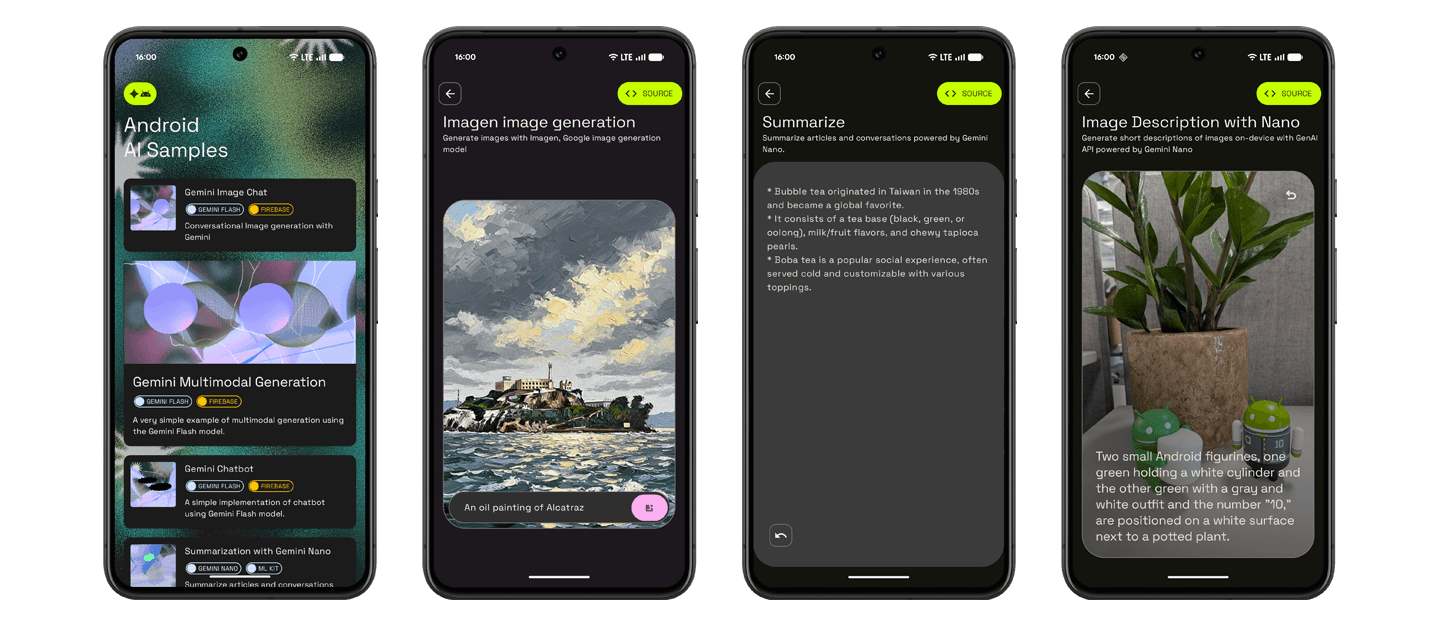
AI is genuinely brilliant at certain tasks. It can generate hundreds of procedural level variations, optimize matchmaking algorithms in real-time, personalize difficulty curves based on your play style, and spot performance bottlenecks across millions of data points. On Android specifically, AI is helping developers optimize battery drain, manage thermal throttling on budget phones, and scale graphics intelligently across the wild fragmentation of devices from the Snapdragon 888 flagships down to mid-range processors from three years ago. That’s not nothing.
But here’s where it breaks down: AI doesn’t care if a gacha mechanic makes you feel manipulated. It doesn’t understand if a 47-hour grind wall feels artificial. It can’t decide whether a $99.99 cosmetic pack is ethical. Those decisions require humans who actually play games, who understand pacing, who know the difference between “challenging” and “frustrating,” and who sometimes say “no” to a monetization scheme that the algorithm says would maximize revenue.
Gameplay & Features: Where Human Touch Matters Most
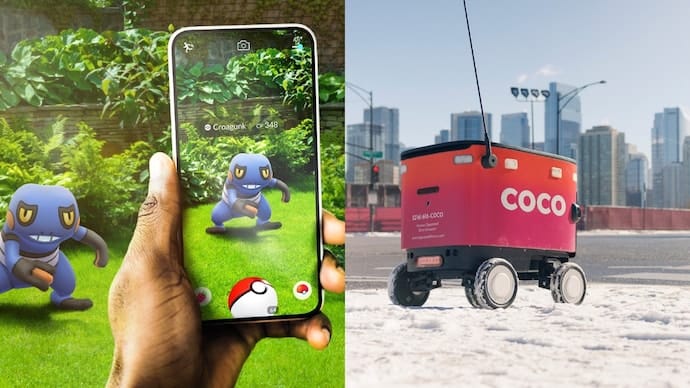
Let’s talk specifics. The most successful Android games right now aren’t the ones with the fanciest AI. They’re the ones where you can feel a human hand guiding the experience. Take how major franchises are evolving their mobile presence. The Pokémon Company announced that their anime will lean into mobile portfolio with references to Pokémon Unite, Sleep, and Pokémon Go—but here’s the thing: each of those games has distinct design philosophies shaped by actual developers who care about their specific niche. Unite needed a human-designed MOBA economy. Sleep needed a human who understood sleep science and wellness. Go needed humans who actually get what makes real-world exploration exciting.
That’s the template. AI handles the grunt work—procedural generation of encounter variety, real-time data optimization, dynamic difficulty adjustment. Humans handle the soul—progression curves that feel rewarding, monetization that doesn’t feel predatory, feature sets that solve actual player problems instead of creating artificial engagement metrics.
On the Android technical side, this human-AI partnership is enabling some genuinely impressive stuff:
- Adaptive Performance: Games now use machine learning to dynamically adjust resolution, frame rates, and effect quality in real-time. Play on a OnePlus 13 with 120Hz refresh rate? The game intelligently targets that. Playing on a Moto G Power from 2023? It scales gracefully. This requires both AI optimization algorithms AND human QA testers confirming the experience doesn’t feel janky.
- Personalized Monetization: Instead of everyone seeing the same $4.99 battle pass, AI can help identify what pricing feels fair to *you* based on your region and spending patterns. But humans have to decide the ethical guardrails—no predatory dark patterns, no targeting kids, no deliberately hiding the true cost.
- Controller Support Optimization: Android games increasingly ship with full controller compatibility, but AI can’t make that feel natural. Humans have to map buttons intuitively, design UI that works at 10 feet away on your couch, and ensure the gamepad experience isn’t an afterthought.
- Battery & Thermal Management: AI learns your device’s thermal profile and adjusts rendering accordingly. But humans decided it was important enough to implement in the first place—because they care about you not melting your phone.
The Monetization Honesty Test
Here’s where the “human has to care” philosophy gets tested hardest. The Android free-to-play space is absolutely lousy with games that let AI run wild on the monetization side. Freemium titles that use predictive analytics to identify “whales” and bombard them with spending triggers. Battle passes designed by algorithms to extract maximum value. Gacha mechanics tuned to exploit sunk-cost fallacy.
But the games that are actually thriving—the ones players genuinely recommend to friends—have humans in the room saying “no.” Angry Birds recently expanded its licensing deal with WildBrain, and you know what? That’s because the franchise has always had humans who care about making fun, approachable games. The monetization is there, sure, but it’s not the *design*—it’s the business model wrapped around good game design.
Free vs. Freemium vs. Paid on Google Play:
- Pure Free: Increasingly rare. Usually means the game is monetized through ads or complete cosmetic-only purchases. Great for casual Android gaming, but the revenue model means less development budget.
- Freemium (Most Common): Free to download, but progression requires either time or money. The human question: does the time-to-progress feel reasonable? Or are you being nudged toward spending after 30 minutes? The good freemium games have humans who’ve actually played for 100+ hours confirming the curve feels fair.
- Paid: Upfront cost ($0.99 to $19.99 typically on Google Play). Usually means no gacha, no battle passes, and more consumer-friendly monetization. Humans *have* to care here because there’s no algorithmic monetization to hide behind.
- Google Play Pass: Subscription service that unlocks premium versions of tons of games. If a game is on Play Pass, it’s a good signal that the developer isn’t relying on predatory monetization—the subscription model pays them whether you spend or not.
Real-World Android Performance: What Matters
Let’s be concrete about technical reality. Android fragmentation is still the biggest challenge, and it’s where AI and human care have to work together seamlessly.
High-End Android (2024-2026 flagships): Snapdragon 8 Gen 3, 120Hz+ displays, 12GB+ RAM. Games here can run gorgeous. But they also run hot. Humans need to implement thermal governors that AI learns from. You’ll see 144Hz support on some devices, but that requires human decision-making: is 144Hz worth the battery hit? For competitive games, yes. For story-driven games, probably not.
Mid-Range Android (Snapdragon 7 Gen 3, Samsung Exynos 1380): This is where most Android users live. 90Hz displays, 6-8GB RAM. Games need to target this tier as the baseline. Humans have to make hard choices: which visual effects actually matter? What can AI-powered LOD (level-of-detail) systems handle? A good game feels smooth here, and that’s not accidental—that’s humans caring enough to optimize.
Budget Android (Moto G, Redmi Note series): Snapdragon 680 or similar, 4-6GB RAM. Older but still actively used by millions. Games that work here are games where humans decided inclusion mattered. AI can help optimize rendering pipelines, but the choice to support budget phones? That’s human.
Foldables & Tablets: The weird frontier. Samsung Galaxy Z Fold 6, iPad (if you count it). These need UI redesigns that AI can’t handle alone. Humans have to think about how your game looks when the screen unfolds, how touch targets scale on 11-inch displays, whether a portrait-locked game even makes sense on a tablet.
Battery Optimization: Where Care Shows
Here’s a metric that separates the games made by people who care from games made by algorithms: battery drain. A game that uses 8% battery per hour while playing? That’s a game where humans decided battery life mattered. Humans pushed back on visual features that looked cool but drained power. Humans implemented background process cleanup that AI suggested but nobody fought for.
AI can identify battery drain issues across millions of devices in real-time. But humans have to decide: are we fixing this for our players, or are we ignoring it because engagement metrics look good? That’s the difference.
Case Studies: AI Tools, Human Hearts
Roblox Platform: The 24% workforce growth to 3,000+ employees isn’t because they’re replacing humans with AI—it’s the opposite. Roblox uses AI for backend infrastructure, matchmaking, and content moderation at scale. But they hired MORE humans to review that AI’s decisions, to mentor creators, to build tools that empower human creativity. The platform works because AI handles the impossible scale problem, while humans handle the “does this actually feel like a good game?” problem.
Sanrio Games New Publishing Label: Sanrio’s $62.9 million investment in a new in-house publishing label isn’t a tech story—it’s a values story. They’re not saying “let’s use AI to generate cute IP.” They’re saying “let’s build a team that understands our audience and cares about quality.” AI might optimize ad delivery or personalize progression, but the core decision—to invest in human expertise—that’s what matters.
Pokémon Mobile Expansion: The anime references to mobile games aren’t random. They’re a sign of human strategy. Someone at The Pokémon Company sat in a room and said, “Our mobile games are good enough to feature in the anime.” That required humans at Game Freak, at Niantic, at Creatures Inc. caring enough to make mobile games worth promoting. AI handled the matchmaking in Unite. AI helped optimize battery drain in Sleep. But the decision to make them good? That’s human.
The Development Reality: 2026 and Beyond
The Android gaming market in 2026 is shaped by where studios choose to build. Government support for game development has moved from “nice-to-have” to “priority,” as the Mobile Mavens noted. But here’s what that actually means: studios are choosing locations based on talent, infrastructure, and community—not just tax breaks. Why? Because they know that talent (human talent) is the actual bottleneck. AI can generate code, but it can’t generate taste. It can’t generate the judgment call that says “this monetization feels wrong, let’s rethink it.”
Pocket Gamer Connects Barcelona and other industry conferences aren’t buzzing about AI replacing developers. They’re buzzing about AI *augmenting* developers. The question isn’t “will AI write our games?” It’s “how do we use AI tools to free up our humans to focus on the decisions that actually matter?”
What Players Actually Want
Here’s the uncomfortable truth: players don’t care about the AI under the hood. They care about whether the game respects their time. Whether the progression feels earned. Whether the monetization feels fair. Whether the game runs smoothly on their device without melting it. Whether they can play it with a controller while lying on the couch.
Those aren’t AI problems. They’re human problems. They require judgment, taste, empathy, and the willingness to say “no” to an optimization that looks good on a spreadsheet but feels bad when you’re actually playing.
FAQ: AI Writes Code, Humans Play Games
Is “AI writes the code, but a human has to care” just a slogan?
No. It’s a philosophy that separates thriving studios from ones that shipped a cynical cash grab. Every game that runs well, monetizes fairly, and genuinely entertains has humans who cared enough to push back on the algorithm.
Does this mean AI in game development is bad?
Absolutely not. AI is incredible at solving hard technical problems—procedural generation, optimization, real-time performance tuning. The issue is when studios rely on AI for *decisions* instead of *implementation*. Humans should decide what gets built. AI should help build it faster.
How do I find Android games made by developers who actually care?
Look for: reasonable monetization (no dark patterns), smooth performance across multiple device tiers, thoughtful controller support, and active community engagement. Check Google Play reviews for consistency. Games made by people who care show it.
Will indie developers get left behind if AI becomes the standard?
The opposite might happen. AI tools are democratizing game development. An indie team can now use AI-powered art generation, procedural design, and optimization tools to punch above their weight. The barrier isn’t technology—it’s taste and judgment. That’s still human.
What about game size and storage on Android?
This is where human prioritization matters. A game that’s 500MB instead of 3GB on Android? That’s humans who cared about accessibility. AI can help compress assets, but humans decided compression was worth prioritizing.
Does Google Play Pass guarantee quality?
Mostly yes. Games on Play Pass tend to have less predatory monetization because the subscription model creates different incentives. But humans still had to decide to put the game on Play Pass in the first place.
The Bottom Line
AI writes the code, but a human has to care. That’s the future of Android gaming—not AI replacing humans, but AI augmenting humans who actually give a damn about making something worth playing. The studios that understand this—Roblox, Sanrio, The Pokémon Company, and the countless smaller teams shipping thoughtful games—they’re the ones building the games we’ll remember in 2027.
Download some games this week. Notice which ones feel like they were made by people. Those are the ones worth your time and storage space.