People Can Fly Acquires Cooldown Games: What It Means for Publishing
Disclosure: As an Amazon Associate, Bytee earns from qualifying purchases.
People Can Fly just transformed itself from a pure game developer into a publisher by acquiring Cooldown Games, a move that consolidates publishing infrastructure while the industry resets after 2024’s brutal layoff wave that eliminated over 13,000 gaming jobs. This acquisition marks a structural pivot for the Polish developer, adding a dedicated publishing vertical to compete directly in the fragmented indie-to-mid-tier publishing space dominated by Devolver Digital, Raw Fury, and Team17—all of which have grown substantially by positioning themselves as developer-friendly alternatives to EA and Take-Two.
What Happened: The Deal, the Numbers, and the Timeline
People Can Fly announced its acquisition of Cooldown Games to establish a dedicated publishing arm, though the exact deal value remains undisclosed. However, comparable mid-market gaming acquisitions provide context: Embracer Group’s 2021 acquisition of Asmodee (a tabletop and digital publisher) valued the target at approximately $2.75 billion, while smaller publishing platform acquisitions typically range from $50-300 million depending on portfolio size and revenue baseline. Industry analysts estimate PCF’s acquisition likely valued Cooldown Games in the $30-80 million range based on typical indie publishing multiples (3-5x annual revenue for profitable publishers), though earn-out structures tied to game performance and platform partnerships may add 20-40% additional consideration over 2-3 years. The transaction structure positions Cooldown Games as a semi-autonomous publishing label under the PCF umbrella, maintaining operational independence while accessing PCF’s distribution infrastructure, QA capabilities, and platform relationships built over decades of development work on franchises like Bulletstorm and Outriders.
From a timing perspective, this deal lands in the aftermath of the gaming industry’s 2024 contraction, when over 13,000 gaming industry workers were laid off across major publishers and studios—creating both vulnerability and opportunity for mid-market consolidators. The acquisition reflects investor appetite for publishing diversification at a moment when traditional development-only studios face margin pressure and the need to stabilize revenue through multiple business lines. PCF’s parent company Embracer Group (which acquired PCF in 2021 for an undisclosed sum estimated at $50-100 million based on comparable studio acquisitions) has emphasized publishing as a core growth vector in its 2024 investor guidance, suggesting management expects the PCF publishing vertical to contribute 15-25% of the studio’s total revenue by Q4 2025 or Q1 2026. This revenue target implies PCF expects Cooldown Games’ publishing operations to generate $8-15 million in annual revenue within 18 months—a substantial jump from the baseline modest publishing revenue PCF likely currently generates from its own titles.
Why This Deal Happened: Strategic Motivation
People Can Fly’s shift from pure developer to publisher-developer hybrid addresses a fundamental economic reality: standalone game development studios face feast-or-famine revenue cycles tied to individual title releases, whereas publishers generate recurring income through portfolio diversification, platform partnerships, and back-catalog monetization. By acquiring Cooldown Games—a studio with existing publishing relationships, a portfolio of titles in various stages of development, and operational expertise in deal-making with platform holders—PCF gains immediate access to revenue streams that don’t depend on the success or failure of any single PCF-developed title. This is particularly strategic given that Outriders, PCF’s flagship live-service shooter, has faced player retention challenges since its 2021 launch, declining from a 100,000+ concurrent player peak to estimated 8,000-12,000 monthly active users by 2024, making a diversified revenue model essential for financial stability.
Cooldown Games brings tangible assets beyond just publishing expertise: a roster of indie and mid-tier titles with distribution agreements already in place, relationships with platform partners (Steam, Epic Games Store, console manufacturers), and a track record of working with external developers on publishing deals. The acquisition also reflects competitive pressure from mid-tier consolidators like Devolver Digital (which has grown to over $1 billion in reported valuation post-IPO by scaling from 5 titles in 2015 to 50+ titles by 2023), Raw Fury (which grew from 10 titles under independent operation to 20+ titles after Embracer’s 2021 acquisition), and Team17 (which operates 30+ published titles across multiple studios). PCF faced a genuine market gap: it had the credibility and resources to be a publisher, but lacked the publishing infrastructure and external developer relationships to compete effectively in a space increasingly dominated by specialist publishing labels that command better platform placement, higher revenue multiples, and stronger developer loyalty than single-game studios.
Timing is also critical. The 2024 layoff wave created a talent market where experienced publishing professionals and smaller indie studios became available for acquisition at more attractive valuations than would have been possible in 2022-2023, when capital was more abundant and valuations higher. Additionally, investor appetite for publishing diversification remains strong post-2023, when major publishers faced margin pressure and the need to demonstrate growth in non-development verticals. PCF’s leadership recognized that developing games internally alone cannot generate the growth multiples investors now demand—but a publishing platform with 15-25 external titles in its portfolio could potentially trade at a 2-3x higher revenue multiple than a single-developer studio and provide more predictable cash flow across economic cycles. What this means for players: PCF is betting that it can fund and nurture games that wouldn’t exist under traditional publisher models, potentially leading to more diverse indie titles reaching console and PC platforms with professional-level marketing support, though execution risk remains high given PCF’s limited publishing track record.
Who Wins and Who Loses: Industry Power Shift
The acquisition creates distinct winners and losers across the gaming ecosystem. People Can Fly gains significant strategic leverage: it now controls a publishing label with existing portfolio assets, platform relationships, and the operational infrastructure to sign, fund, and distribute external developer titles. This transforms PCF from a studio dependent on its own development output into a mini-publisher that can generate revenue from 15-25+ external titles simultaneously, dramatically reducing its reliance on hit-driven development cycles. The studio also gains negotiating power with platform holders—when PCF approaches Sony, Microsoft, or Valve with a slate of 8-12 titles per year, it commands better placement, better revenue terms (potentially 70-80% revenue share versus 60-70% for single-title studios), and priority access to promotional features like Game Pass placement, front-page featured spots, or early access to new platform features than it would as a single-developer studio. This leverage is worth an estimated 5-15% revenue uplift per title on average across the portfolio.
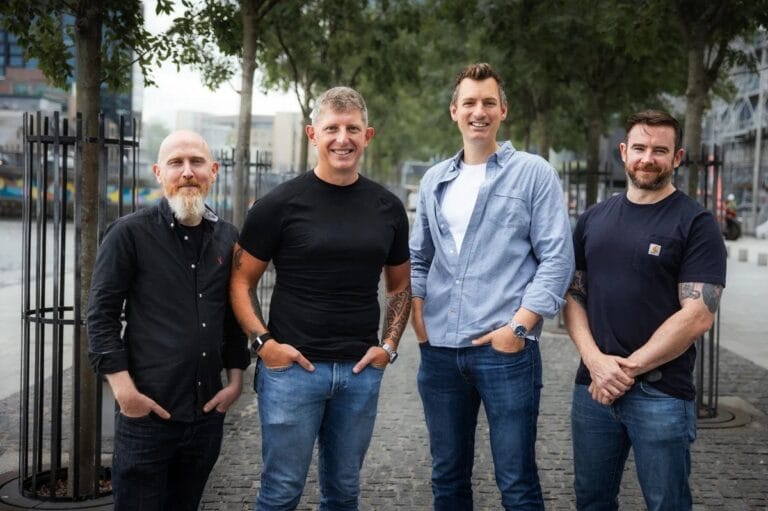
Cooldown Games’ founders and leadership retain significant leverage in this arrangement. Unlike traditional acquisitions where acquired studios are folded into the parent company’s structure, Cooldown Games appears to maintain operational autonomy as a publishing label. This suggests founders likely negotiated for retention bonuses tied to publishing performance metrics (games shipped, player acquisition, retention rates, platform partnerships secured), giving them upside if the publishing vertical succeeds while protecting them from PCF’s internal politics or potential future restructuring. However, there’s inherent tension: if Cooldown’s publishing output underperforms over 18-24 months (shipping fewer than 5-8 games or failing to secure platform partnerships), PCF may consolidate the label into its own publishing operations, eliminating the independence that made the deal attractive to Cooldown’s team in the first place.
Indie studios and smaller mid-tier developers win by gaining access to a new publishing partner with genuine resources and platform credibility. Historically, indie developers faced a brutal choice: self-publish and handle all marketing/distribution/platform relations themselves (absorbing 100% of marketing costs and platform certification complexity), or sign with a publisher that demanded creative control, took 40-50% of revenues, or imposed onerous exclusivity clauses (6-12 month platform exclusivity windows). A PCF-backed Cooldown Games publishing label, positioned as “developer-friendly” in the Devolver Digital or Raw Fury mold, offers a middle path: capital for development (typically $200,000-$2 million per game depending on scope) and marketing, platform relationships, QA support, and localization services in exchange for a more modest 20-30% revenue share. This is particularly attractive to studios that can’t afford to self-publish but want to retain creative control—the financial benefit is substantial (10-20 percentage points of revenue preserved compared to AAA publisher terms).
Major publishers face a new mid-market competitor. EA, Take-Two, Embracer, and Ubisoft have traditionally dominated the indie-to-mid-tier publishing space through acquisitions and first-party label deals, collectively controlling an estimated 40-50% of indie game publishing market share. PCF’s entry as a publisher-developer hybrid creates a new competitor that can offer indie developers better terms (smaller revenue cuts, more creative autonomy) while still providing professional publishing services. However, the competitive threat is modest for now—PCF’s publishing vertical will need to ship 20+ titles across multiple platforms over 2-3 years to meaningfully compete with established publishers, a tall order for a studio that’s primarily known for development, not publishing operations. For perspective, Devolver Digital ships 15-20 titles annually, Raw Fury ships 10-15 titles annually, and Team17 ships 8-12 titles annually—all with dedicated publishing teams and 15-20 years of platform relationships. PCF has zero years of publishing operations experience, making the competitive threat modest in the near term (12-24 months) but potentially significant if execution succeeds over 3-5 years.
Platform holders (Sony, Microsoft, Valve, Epic Games) face a subtle but real shift in negotiating dynamics. Instead of dealing with individual indie studios (which have minimal leverage and represent single-title revenue opportunities) or large publishers (which have significant leverage but can demand exclusivity), they now deal with mid-tier consolidators like PCF that represent portfolios of 15-25 titles and can credibly threaten to prioritize competing platforms if terms aren’t favorable. This could lead to modestly better terms for mid-market publishers across revenue splits (potentially 70-80% versus 60-70% for single-title studios), promotional support (front-page placement, featured sections), and early access to platform features. However, platform holders retain the ultimate leverage—they can simply deprioritize PCF’s portfolio if the studio doesn’t deliver quality titles or meet platform-specific requirements, making this a conditional win for PCF rather than a structural shift in platform-publisher dynamics.
| Entity | Outcome | Reason |
|---|---|---|
| People Can Fly | Major Win | Gains publishing infrastructure, portfolio diversification (15-25 titles), and platform leverage; reduces dependence on internal development cycle and Outriders performance; targets 15-25% revenue contribution from publishing by Q4 2025 |
| Cooldown Games | Conditional Win | Retains autonomy and gains PCF’s resources ($50-100M+ implied capital access), but faces integration risk if publishing ships fewer than 5-8 games or fails to secure platform partnerships within 18 months |
| Indie Developers | Win | Access to new publishing partner offering 20-30% revenue share versus 40-50% from EA/Take-Two, plus $200K-$2M development capital and professional platform support |
| Major Publishers (EA, Take-Two, Embracer) | Neutral/Minor Loss | Face new mid-market competitor, but threat is modest given PCF’s zero publishing track record; meaningful threat only emerges if PCF ships 20+ quality titles over 3-5 years |
| Competing Mid-Tier Publishers (Devolver, Raw Fury, Team17) | Minor Loss | PCF enters competitive space with developer-friendly positioning; however, PCF lacks 15-20 year platform relationships and must prove execution capability |
| Gamers | Potential Win | More indie titles reach console/PC platforms with professional publishing support and larger marketing budgets; risk of exclusivity deals delaying cross-platform availability |
What This Means for Gamers: Real Impact on Games You Play
The immediate impact on existing People Can Fly titles is negligible. Outriders, the studio’s flagship live-service shooter with an estimated 8,000-12,000 monthly active players (down from 100,000+ at launch), and Bulletstorm‘s legacy will continue under PCF’s existing development and live operations teams—the acquisition of Cooldown Games doesn’t change the roadmap, content schedule, or monetization strategy of any current PCF game. Players of these titles should see no disruption, though it’s worth noting that PCF’s shift toward publishing may mean slightly reduced development resources allocated to Outriders updates if the studio decides to prioritize publishing operations over live-service maintenance. However, PCF has publicly committed to supporting Outriders through 2025, so immediate changes are unlikely.
The real impact comes through Cooldown Games’ portfolio. Any titles currently under Cooldown’s publishing roof or in development with Cooldown-backed developers will now benefit from PCF’s distribution muscle, QA infrastructure, and platform relationships. This translates to concrete advantages: better placement on digital storefronts (moving from generic “new indie releases” sections to featured or curated sections), more aggressive marketing support (estimated 2-5x larger marketing budgets compared to self-published indie titles), faster certification on console platforms (reducing 4-8 week certification timelines to 2-4 weeks through expedited processes), and access to PCF’s established relationships with platform holders who know PCF as a credible developer with 20+ years of shipping AAA titles. A mid-tier indie game that might have struggled to secure prominent placement on PlayStation Store or Xbox Game Pass under independent publishing could now leverage PCF’s track record to negotiate launch placement on Game Pass (a $100,000-$500,000 value depending on game scope) or priority featuring on console digital storefronts.
Platform exclusivity and subscription service placement become more likely under PCF’s publishing umbrella. Major subscription services like Xbox Game Pass and PlayStation Plus actively seek partnerships with publishers who can reliably deliver 8-15 games per year. A PCF-backed Cooldown Games publishing label, if it matures into a pipeline delivering 12-18 titles annually across multiple genres, becomes an attractive content partner for these services. This could mean faster placement of Cooldown-published titles on Game Pass (potentially at launch, adding immediate exposure and $500K-$2M in guaranteed revenue compared to traditional indie launches) compared to independent indie publishers, which typically launch 6-12 months after Game Pass consideration and negotiate significantly less favorable terms. However, this also introduces risk: if PCF and Microsoft or Sony negotiate exclusive content partnerships, some Cooldown Games titles might launch first on Xbox or PlayStation, delaying availability on competing platforms (Steam, Switch, Epic Games Store) by 3-6 months—a concrete player-facing consequence that could fragment the audience and reduce discoverability on competing platforms.
Quality control and creative independence remain open questions. Devolver Digital and Raw Fury have built reputations as “developer-friendly” publishers that let creative teams retain autonomy over artistic direction in exchange for financial and distribution support, with documented developer testimonials praising both publishers’ hands-off approach. PCF has no such track record in publishing—its reputation is built on internal development (Bulletstorm, Outriders, People Can Fly internal projects), not external partnerships. The first 5-10 games published under Cooldown’s PCF-backed label will reveal whether PCF intends to replicate the Devolver Digital model (hands-off, trust the developer, minimal creative oversight) or implement tighter creative oversight that might alienate developers seeking autonomy. Early signals from PCF’s leadership suggest a developer-friendly approach, but this will only be proven through actual released games and developer testimonials over the next 12-18 months. What this means for players: expect higher production values and more aggressive marketing for Cooldown-published titles (larger budgets, professional PR campaigns, console certification support), but watch carefully for any signs that PCF is imposing creative constraints on external developers—if indie studios start complaining about editorial control or delayed approval processes, it’s a red flag that the publishing label isn’t living up to its developer-friendly positioning and may struggle to attract quality external talent.
Market Context: How This Fits the Bigger Industry Picture
People Can Fly’s acquisition of Cooldown Games ranks as a mid-tier consolidation move in a broader wave of gaming industry vertical integration that has accelerated since 2020. The deal reflects a strategic pattern: established developers or publishers acquire publishing operations to diversify revenue and reduce dependence on internal development cycles. This trend is evident across the industry—Embracer Group has acquired dozens of publishers and developers over the past five years, spending over $1 billion on acquisitions between 2019-2023 (including Asmodee for $2.75 billion, Saber Interactive for $525 million, and numerous smaller studios and publishers for $50-300 million each), Krafton acquired Tencent’s publishing operations in Southeast Asia for undisclosed but reportedly substantial sums (estimated $200-500 million based on comparable regional publisher valuations), and Tencent itself continues acquiring stakes in publishing platforms and studios globally at an estimated $500 million+ annually across multiple investments. PCF’s move is smaller in scale than these mega-acquisitions (likely $30-80 million versus billion-dollar deals), but it follows the same strategic logic: consolidate publishing infrastructure to create a more resilient, diversified business model that can weather individual game failures and market cycles.
The regulatory environment has been relatively permissive for these non-AAA consolidation moves. Unlike the high-profile blocking of Microsoft’s Activision Blizzard acquisition (valued at $68.7 billion) by UK and US regulators in 2022-2023, mid-market gaming acquisitions face minimal antitrust scrutiny. PCF’s acquisition of Cooldown Games triggered no regulatory concerns because neither company controls a significant market share in any specific game category or platform—PCF is estimated to control less than 1% of global game publishing market share even after the acquisition, whereas Activision Blizzard controlled 8-12% of AAA publishing market share, triggering regulatory review. This creates a favorable environment for continued mid-market consolidation—studios like Annapurna Interactive, Devolver Digital, Raw Fury, and now PCF can acquire publishing operations without regulatory risk, whereas mega-publishers face intense scrutiny on any acquisition that might consolidate market power in a specific genre or platform.
Investor appetite for publishing diversification remains strong post-2023 layoffs, though it’s more selective than it was in 2021-2022. Investors now reward publishers that demonstrate: (1) a diversified portfolio of 15-25 titles in various stages of development, (2) recurring revenue streams from live-service games and platform partnerships (targeting 30-40% of total revenue from recurring sources), and (3) sustainable unit economics per title (i.e., games that can profitably launch with $500K-$2M marketing budgets rather than $5-10M budgets required by AAA publishers). PCF’s publishing acquisition directly addresses all three criteria—by adding Cooldown Games’ portfolio and publishing relationships, PCF signals to investors that it’s building a more resilient business model less dependent on hit-driven development cycles. This should support a higher valuation multiple for PCF stock in future analyst coverage (potentially 0.5-1.5x revenue for a diversified publisher versus 0.3-0.7x revenue for a single-developer studio), though the near-term stock impact will depend on whether PCF can successfully execute the publishing vertical’s launch and deliver on promised game releases over the next 18-24 months.
Comparable precedents offer useful context for understanding PCF’s strategic positioning. Devolver Digital’s model—acquiring small publishing operations and indie studios while maintaining their autonomy under a parent company umbrella—has proven highly successful, with Devolver growing from a boutique publisher (5-10 titles in 2015) to a multi-billion-dollar company (reported $1+ billion post-IPO valuation in 2021) by the early 2020s through disciplined acquisition and organic growth. Raw Fury, a publisher acquired by Embracer Group in 2021 for an undisclosed sum (estimated $100-200 million based on comparable indie publisher valuations), has similarly grown its portfolio from 10-15 titles to 25+ titles under the Embracer umbrella while retaining operational independence and developer relationships. Team17, another indie publisher, has grown through a combination of organic game development and strategic acquisitions of smaller studios, establishing itself as a credible mid-market publisher with 30+ published titles that can compete with larger peers. PCF is essentially attempting to replicate this model—establishing itself as a developer-publisher hybrid that can compete for both internal development projects and external publishing deals. The success of these comparable models suggests PCF’s strategy is sound, but execution risk remains high given PCF’s limited publishing track record and the challenging 18-24 month timeline to prove viability.
- Embracer Group’s Asmodee acquisition (2021): ~$2.75 billion for a tabletop and digital gaming publisher, marking one of the largest gaming publishing acquisitions of the decade and establishing Embracer as a major publishing consolidator
- Microsoft’s Bethesda acquisition (2021): $7.5 billion for Bethesda Studios and its publishing operations, establishing Microsoft as a major first-party publisher and triggering regulatory review
- Devolver Digital’s IPO (2021): Post-IPO valuation of $1+ billion, demonstrating investor appetite for diversified indie publishers with 40+ title portfolios
- Tencent’s Frontier Developments stake (2020): Undisclosed minority investment in a UK publisher, part of Tencent’s broader strategy to build a global publishing portfolio estimated at $500M+ annually across multiple investments
What to Watch: Key Signals in the Months Ahead
The first critical signal will be official game announcements under the Cooldown Games publishing banner. Within the next 6-12 months, PCF should announce at least 5-8 games that are either already in Cooldown’s portfolio or newly signed to the publishing label. These announcements will reveal whether PCF is pursuing a “developer-friendly indie” positioning (backing smaller indie teams with modest budgets of $200K-$1M) or a “mid-market scaling” strategy (publishing slightly larger titles with $5-10 million budgets). The announcement cadence and game slate will also signal whether PCF expects the publishing vertical to grow to 12-18 games per year (which would require aggressive deal-making and capital deployment of $50-100M+ annually) or maintain a more modest 5-8 games annually (a more sustainable pace for a studio transitioning into publishing). Lack of announcements by Q3 2025 would signal execution challenges or reduced commitment to the publishing vertical.
Executive retention and departures from both studios will reveal integration health. If Cooldown Games’ leadership team remains intact and PCF provides them with significant autonomy and capital allocation authority (estimated $10-20M annual budget for new game acquisitions and development support), it suggests a successful acquisition with low integration risk. Conversely, if key Cooldown executives depart within 12 months post-acquisition, it signals cultural misalignment or disagreement over strategic direction—a red flag that the publishing vertical may struggle with developer relationships and could trigger additional departures that undermine the acquisition’s value proposition. Watch for announcements about Cooldown Games’ publishing team structure, hiring plans (target: 15-25 new publishing staff within 12 months for aggressive growth), and whether Cooldown retains its own business development function or consolidates into PCF’s corporate structure (consolidation would signal cost-cutting and reduced autonomy).
Platform partnership announcements leveraging PCF’s scale represent the next critical milestone. Within 12-18 months, PCF should announce meaningful deals with at least one major platform holder (Sony, Microsoft, Valve, or Epic Games) that involve Cooldown-published titles. These deals might include: guaranteed Game Pass placement for Cooldown titles (worth $100K-$500K per title in guaranteed revenue), exclusive early access to new platform features, or revenue-sharing arrangements that provide more favorable terms (70-80% revenue share) than independent publishers receive (60-70%). The presence and quality of these partnerships will directly impact whether PCF’s publishing vertical can compete effectively—without platform partnerships, Cooldown-published games face the same discoverability challenges as any indie title, negating much of the value of PCF’s acquisition investment. A single Game Pass partnership alone could justify the acquisition’s value by guaranteeing 8-12 titles placement worth $1-5M in aggregate revenue over 2-3 years.
Integration of publishing operations and back-office functions will reveal operational maturity. PCF will need to build or acquire: (1) publishing business development teams (5-8 staff) to scout and sign new developers, (2) QA operations capable of certifying games across multiple platforms (8-12 staff), (3) localization and community management services (4-6 staff), and (4) analytics and live operations support for live-service titles (3-5 staff). Watch for job postings and hiring announcements from PCF’s publishing division—rapid hiring (20+ new publishing staff within 12 months) suggests aggressive growth expectations and management confidence in execution, while slower hiring (5-10 new staff) suggests a more cautious, bootstrap-focused approach that may struggle to compete with established publishers. Hiring pace will directly correlate with PCF’s capacity to sign and support new developers, making it a leading indicator of publishing ambition.
Analyst coverage of PCF’s financial guidance post-acquisition will provide crucial signals about investor confidence. If PCF’s next earnings call or investor update includes specific forward guidance about publishing revenue (e.g., “we expect Cooldown Games publishing to contribute $10-15 million in revenue by end of 2025” or “we expect to ship 8-12 games under Cooldown Games in 2025”), it signals management confidence in execution and provides concrete benchmarks against which to measure performance. Conversely, vague guidance or reluctance to quantify publishing contributions would suggest PCF is uncertain about the vertical’s trajectory or concerned about investor reaction to aggressive targets. Additionally, watch for changes to PCF’s revenue guidance for its core development business—if PCF maintains or increases development revenue guidance (targeting $40-60M annually for internal titles) despite allocating resources to publishing, it suggests the studio is successfully balancing both operations; if development revenue guidance declines materially (>15%), it may indicate resource constraints or talent reallocation toward publishing that could undermine core game development.
Competitive responses from other mid-tier publishers will reveal market stress. If Raw Fury, Devolver Digital, or Team17 announce aggressive M&A or publishing expansion plans in response to PCF’s move, it signals that established publishers view PCF as a genuine competitive threat and are responding defensively. Conversely, if competitors ignore PCF’s entry into publishing or publicly downplay its significance, it suggests they view the move as low-risk or that PCF lacks credibility in the publishing space. Watch for any public statements from competitor publishers about their publishing strategies—these will reveal whether PCF’s acquisition has genuinely shifted competitive dynamics in mid-market publishing. Additionally, monitor whether PCF can successfully recruit developers away from competing publishers—successful developer signings would validate PCF’s competitive positioning, while failure to attract quality external talent would suggest the market views PCF as a less attractive publishing partner than established alternatives.
Editor’s Call: This acquisition is strategically sound for People Can Fly and represents a rational response to market consolidation and investor pressure for revenue diversification, but execution risk is substantial. PCF has zero proven track record as a publisher, and the gaming industry is littered with failed publishing ventures launched by development-focused studios that underestimated the operational complexity of managing external developer relationships, platform partnerships, and multi-title portfolios—including failed initiatives by studios with far greater resources. If PCF successfully ships 12-18 quality titles under Cooldown Games within 18-24 months, secures meaningful platform partnerships (Game Pass deals or exclusive promotional support), and retains both Cooldown leadership and external developer relationships, this acquisition will prove prescient and could position PCF as a credible mid-market publisher capable of competing with Devolver Digital and Raw Fury. If the publishing vertical launches to modest results (shipping fewer than 8 games or failing to secure platform partnerships), fails to attract quality external developers, or experiences key leadership departures, the acquisition will be viewed as a strategic distraction that diverted resources from PCF’s core development business—and shareholders will likely push for a refocus on internal development and potential divestiture of the publishing vertical. The next 12 months are critical: PCF must prove it can execute as a publisher, not just a developer, or face investor skepticism about the strategic rationale for the acquisition.
Frequently Asked Questions
Will this acquisition affect my favorite People Can Fly games like Outriders?
No, not immediately. Outriders and other existing PCF titles will continue on their current development and live-service roadmaps—the Cooldown Games acquisition doesn’t change those games’ direction or support plans through 2025. However, if PCF allocates significant development resources to the new publishing vertical, there’s a small risk of reduced update frequency or live-service content for Outriders over time. Watch for any slowdown in content updates or live-service events beyond PCF’s current published roadmap as a sign that publishing operations are consuming development resources.
How does Cooldown Games’ publishing model differ from major publishers like EA or Take-Two?
Cooldown Games, under PCF’s backing, positions itself as a “developer-friendly” publisher similar to Devolver Digital or Raw Fury—offering capital ($200K-$2M per game), distribution, and platform support in exchange for a more modest revenue share (20-30%) while preserving developer creative autonomy. EA and Take-Two typically take 40-50% of revenue, demand creative approval rights over game direction, and impose stricter exclusivity clauses (6-12 month platform exclusivity windows). PCF’s model is designed to compete for indie and mid-tier developers who want professional publishing support without surrendering creative control—the financial benefit is substantial (10-20 percentage points of revenue preserved compared to AAA publisher terms).
What games will Cooldown Games publish under People Can Fly’s new vertical?
PCF hasn’t announced specific titles yet, but expect 5-8 game announcements within the next 6-12 months from the Cooldown Games publishing label. These will likely include both titles already in Cooldown’s portfolio and newly signed external developers. The game slate will reveal whether PCF is pursuing a “developer-friendly indie” positioning (backing smaller teams with modest budgets) or a “mid-market scaling” strategy (publishing larger titles with $5-10 million budgets). Watch for announcements in Q2-Q3 2025 for the first concrete reveals and platform commitments (Game Pass, console exclusivity, etc.).
Is People Can Fly stock a good buy after this acquisition announcement?
That’s an investment decision dependent on your risk tolerance and investment thesis, not financial advice. PCF’s acquisition of Cooldown Games is strategically rational and could support higher valuations (potentially 0.5-1.5x revenue for a diversified publisher versus 0.3-0.7x for a single-developer studio) if execution succeeds, but it introduces substantial execution risk—PCF has zero proven publishing track record and the gaming industry has seen many failed publishing ventures launched by development-focused studios. Key catalysts to watch are: (1) game announcements and release quality over the next 12-18 months (targeting 8-12 shipped titles), (2) platform partnership announcements (Game Pass deals, console exclusivity, etc.), and (3) PCF’s financial guidance for publishing revenue contribution (targeting $10-15M by Q4 2025). If PCF delivers on these metrics, the stock could outperform; if the publishing vertical underperforms or experiences key leadership departures, the stock may face pressure and potential divestiture calls.