Spymaster Early Access Review: Charming, Tense & Worth It
Disclosure: As an Amazon Associate, Bytee earns from qualifying purchases.
You have had your best agent in deep cover for six in-game weeks, and the moment you finally move to extract her, a rival network burns the safehouse — and you realize, hands literally trembling on your controllers, that you approved that location three missions ago. That moment of dread, that stomach-drop realization of your own culpability, is what Spymaster does best. It’s a VR strategy game that makes you feel the weight of command, and in Early Access, it’s already charming, tense, and genuinely worth your time if you own a headset.

What Is Spymaster and Who Is It For?
Spymaster is a solo-first VR strategy game developed by Dynamighty and published by Meta Studios. It’s available now in Early Access on Meta Quest 3/Pro and PCVR platforms (SteamVR) at $24.99. The current build includes three of five planned episodes, with an estimated 8–15 hours of gameplay depending on your playstyle and mission difficulty. The game sits at the intersection of narrative-driven sandbox and real-time strategy—you’re not commanding armies, but instead orchestrating covert operations across a Cold War-adjacent fictional world, managing individual agents, their psychological states, and the political fallout of your decisions.
This is a game built for two audiences: hardcore strategy players who crave decision weight and consequence, and VR enthusiasts who want something that uses the medium’s strengths rather than gimmicks. The async multiplayer elements (rival networks, leaderboard ops) are present but underbaked at launch. You’re primarily playing solo, making calls in real time, watching them unfold, and living with the results. There’s no traditional co-op, no flat-screen option, and no compromise on the VR-first design philosophy. If you’re the type who replayed XCOM 2 on Ironman mode or spent 200 hours in Crusader Kings, Spymaster’s tension will resonate. If you bounce off strategy games or need traditional action pacing, this will feel slow.
Spymaster Early Access Gameplay & Core Mechanics: What You Actually Do
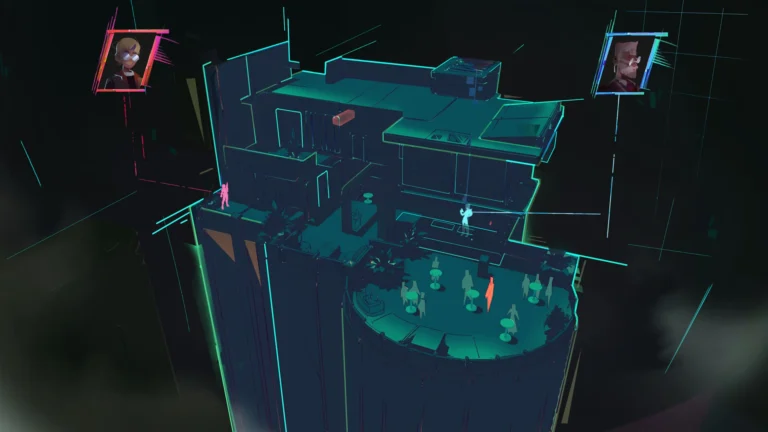
The core loop is deceptively simple: recruit agents, assign them to missions, manage intelligence in real time, and pray nothing goes catastrophically wrong. The moment-to-moment feel is tense and deliberate. You’re not in the field—you’re in a safehouse, hunched over dossiers in VR space, pinning locations on a map with your controllers, reading agent briefings, and making calls under pressure. The physical VR controls for dossier management and map pinning feel intuitive once you’re past the first 30 minutes. Grabbing a paper dossier off your desk, unfolding it with both hands, and reading mission details creates genuine immersion. However, the UI becomes clunky during real-time crisis moments—when alarms blare and you’re trying to abort a mission before it spirals, reaching across your virtual desk to grab a dossier and flip through pages costs you precious seconds. There’s a moderate learning curve: expect the first two hours to feel overwhelming, then a satisfying click as the systems lock into place.
The planning phase is where Spymaster shines. You’re assigning agents to operations, weighing risk versus reward, considering agent fatigue and morale metrics displayed on each agent’s dossier. You can see exact fatigue percentages and psychological stress levels—send an agent on a third consecutive mission and their morale drops, their error chance increases, and rival networks get better odds of burning them. The execution phase—watching your choices unfold in real time—is where the tension lives. You see reports trickling in as agents move on the map, watch real-time status updates, and realize too late that you should have pulled them out five minutes ago. The game doesn’t pause for you to reconsider. You own every decision, and the game makes sure you feel it.
The Shadow Network and Agent Burn Mechanics
This is Spymaster’s standout system. You’re building a covert cell of agents, each with their own skills, loyalties, and psychological profiles. The game branches based on which agents you recruit, how you deploy them, and whether you keep them compartmentalized or expose them to overlapping operations. Risk and reward are genuinely intertwined: recruiting a skilled but volatile agent like “Razor” (a high-damage operative with poor team chemistry) might unlock new mission types, but they’ll also attract rival attention and burn through your operational budget faster. The system creates emergent narratives—you’re not following a predetermined story so much as authoring one through recruitment and deployment choices. By hour five, you’ll have agents with histories, rivalries, and grudges that feel earned rather than scripted.
Every agent has a burn rate—a hidden counter that tracks how exposed they are to rival intelligence networks. Send them on too many operations, use them in high-profile targets, or fail a mission and their burn rate climbs. Hit critical burn (the game doesn’t warn you when this threshold approaches—you have to manage this through intuition and careful note-taking) and they’re compromised, potentially turned into double agents, or killed outright. It’s a brutal, beautiful mechanic that forces emotional investment. You don’t name your agents “Agent 7” and forget about them. You name them, you track their histories, and when one gets burned, you feel it. I had to retire an agent named Iris after she’d completed seven successful operations because her burn rate was climbing and I couldn’t risk losing her to a turncoat scenario. That decision—benching a proven asset to protect her—is the kind of stakes Spymaster creates. The failed mission consequences extend beyond narrative flavor: a blown operation increases rival network pressure on your entire cell, triggers retaliatory missions against your safehouse, and can permanently eliminate agents or lock you out of future mission types.

Story, World & Presentation
The narrative is set in a fictional Cold War-adjacent world—not quite the 1960s, not quite alternate history, but close enough to feel familiar and grounded. The episodic structure means the story builds across multiple chapters, and at three episodes in, the writing quality is above average for VR games. Character dialogue is naturalistic, mission briefings feel like actual intelligence reports, and the world-building emerges through environmental detail and NPC dialogue rather than exposition dumps. Your handler—a gruff, competent spymaster character—is genuinely compelling with voice acting that conveys personality and tension. Some rival agents feel phoned in, but never distracting.
The art direction is stylized noir—all sharp angles, muted color palettes, and strong visual identity that makes the game feel cohesive rather than generic. The safehouse interior is your home base, and it’s designed to feel lived-in and functional: filing cabinets you can open, a radio you can tune, maps you can annotate. The world map is clean and readable in VR space, critical for a strategy game where information clarity matters. The soundtrack is moody and era-appropriate, leaning into spy-thriller clichés (electric organ, sparse strings) without ever feeling overwrought. Performance on Meta Quest 3 is mostly stable at 90 Hz with occasional frame drops during complex mission sequences when three or more agents are moving simultaneously. Minor clipping bugs appear at the review build—agent hands sometimes phase through dossiers, and map markers occasionally disappear when you’re quickly zooming in—but nothing game-breaking.
Content, Length & Replayability
The main story campaign runs 8–10 hours in the current Early Access build, which includes three of the planned five episodes. The third episode ends on a hard cliffhanger that feels deliberately truncated—not like a natural story beat, but a cut-off point. Three hours of side operations (optional missions that unlock additional agent recruits and lore) add depth without extending playtime dramatically. The async multiplayer mode—where you compete against rival networks on the same missions—exists but feels nearly empty at launch. Queue times exceed five minutes, and the leaderboard integration feels tacked on rather than integral to the experience.
Replayability in the current build is thin. Once you complete the campaign, there’s no New Game+ mode, no difficulty modifiers, and no procedural mission generation. The developer’s roadmap promises episodes 4 and 5 (estimated Q2-Q3 2026), a roguelite endgame mode, and potential seasonal content. Season pass language appears in the menus, which is a yellow flag for pricing practices post-launch—I’d recommend waiting for official monetization clarity before expecting cosmetics or battle pass mechanics. That said, the developer’s post-launch communication has been strong: regular updates, responsive community engagement, and transparent timelines. That builds confidence in the Early Access commitment.
Flaws, Frustrations & Red Flags
Spymaster is a solid foundation, but it has real problems that will frustrate specific player types. First, the VR UI becomes clunky under pressure. When you’re trying to abort a mission in real time, swap agent assignments, or check intelligence reports while alerts are blaring, the menu system fights you. Reaching across your virtual desk to grab a dossier, opening it, reading it, and closing it before your agent gets killed takes too long—I’ve restarted missions because the UI cost me 30 seconds I didn’t have. The developers need to redesign this for faster access: hotkeys for abort commands, quicksave shortcuts, or a streamlined alert system that doesn’t require diving into menus. It’s not broken, but it’s frustrating enough that it undercuts the tension rather than enhancing it.
Second, the Early Access content cut is noticeable and feels like a genuine incompleteness issue. Episode three ends on a cliffhanger that feels deliberately truncated, not like a natural story beat. The safehouse management systems hint at depth that isn’t fully implemented—you can recruit support staff like “Communications Specialist” or “Quartermaster,” but their mechanical effects are unclear or nonexistent. Certain mission types are locked behind “coming in full release” banners. You’re buying a game that’s roughly 60% complete, and while the roadmap is credible, you’re gambling on delivery. If you hate cliffhangers or prefer finished products, this is a dealbreaker. The promise of episodes 4 and 5 in Q2-Q3 2026 means you’re waiting another 6-12 months for story conclusion.
Third, the async multiplayer is underbaked and nearly abandoned. The rival network mode sounds compelling—you’re racing other players to complete the same operations—but the matchmaking is broken, queues are empty, and there’s no incentive to engage with it. The competitive elements feel like placeholder features that will either be overhauled or quietly removed. If multiplayer is important to you, wait for a full release or skip entirely. Additionally, there’s a known bug where agent portraits corrupt after 8+ hour play sessions, forcing a restart. It’s rare but infuriating when it happens. And the game has no flat-screen or non-VR mode, which locks out anyone without access to VR hardware—this isn’t a flaw for VR owners, but it’s worth noting if you’re considering gifting this to someone without a headset.
Verdict: Should You Buy Spymaster in Early Access?
Spymaster is a strong foundation with genuine mechanical depth, a compelling narrative setup, and presentation that respects the VR medium. The core loop of planning, executing, and living with consequences is executed well. The shadow network and burn rate systems create emergent narratives that feel earned. The writing is above average for VR games, and the world-building is atmospheric without being pretentious. If you own VR hardware and love strategy tension—if you’re the type who replays XCOM on Ironman or obsesses over long-term consequences—Spymaster will reward your investment.
But it’s incomplete. Three episodes of five means you’re buying a story that doesn’t conclude for months. The multiplayer is broken. The UI needs polish under pressure. The roguelite endgame mode doesn’t exist yet. At $24.99, the price-to-value is fair for the 8–15 hours of content you’re getting now, and the roadmap credibility is strong enough that I believe the full experience will justify the early purchase. But fair isn’t the same as essential. If you’re the type who bounces off strategy games, hates cliffhangers, or prefers complete experiences, wait for full release. If you’re purely action-focused or non-VR, this isn’t for you.
Score: 7.5/10 — A charming, tense strategy game with mechanical depth and strong presentation, held back by incomplete content and UI friction. Buy if you own VR and love strategy tension. Wait if you prefer finished games or hate cliffhangers. Skip if you’re non-VR or purely action-focused. Worth the $24.99 for the current 8–10 hours of campaign if you’re committed to strategy games; expect to wait until Q3 2026 for story conclusion.
Frequently Asked Questions
Is Spymaster worth buying in Early Access in 2026?
Yes, if you own VR hardware and enjoy strategy games with real consequences. The core mechanics of Spymaster are solid, the narrative is compelling, and the $24.99 price point is fair for 8–15 hours of current content plus the promised episodes 4 and 5. The developer’s communication and roadmap credibility are strong, suggesting the full experience will justify the early purchase. Skip if you hate incomplete games or cliffhangers.
How long does it take to beat Spymaster in its current Early Access build?
The main story campaign of Spymaster runs 8–10 hours depending on mission difficulty and playstyle. Side operations add 3–5 hours of optional content. First-time players should expect closer to 12–15 hours if you’re exploring all agent recruitment paths and replaying failed missions. Once you complete the three available episodes, there’s no endgame loop yet—the roguelite mode is promised for full release.
Does Spymaster have multiplayer or co-op?
Spymaster is primarily a solo experience. There’s an async multiplayer mode where you compete against rival networks on the same missions via leaderboards, but matchmaking is broken and the feature feels underbaked at launch. There’s no traditional co-op, no squad-based gameplay, and no plans announced for real-time multiplayer. Expect to play Spymaster alone.
What VR headsets is Spymaster compatible with?
Spymaster is available on Meta Quest 3 and Meta Quest Pro (standalone), plus any SteamVR-compatible headset on PC (Valve Index, HTC Vive, etc.). The game is optimized for 90 Hz refresh rates and runs smoothly on Quest 3, though occasional frame drops occur during complex mission sequences when multiple agents are moving simultaneously. There’s no PlayStation VR support or mobile VR compatibility.
Will Spymaster come to flat-screen or non-VR platforms?
The developer has not announced any plans for a flat-screen or non-VR version of Spymaster. The game is designed from the ground up as a VR-first experience, with gameplay mechanics that leverage hand tracking and spatial interaction. If you don’t own VR hardware, you cannot play Spymaster. There’s no workaround or planned port to console or PC flat-screen versions.