Slitherine Acquires Blood Bowl Licence from Nacon: What It Means for Gaming
Disclosure: As an Amazon Associate, Bytee earns from qualifying purchases.
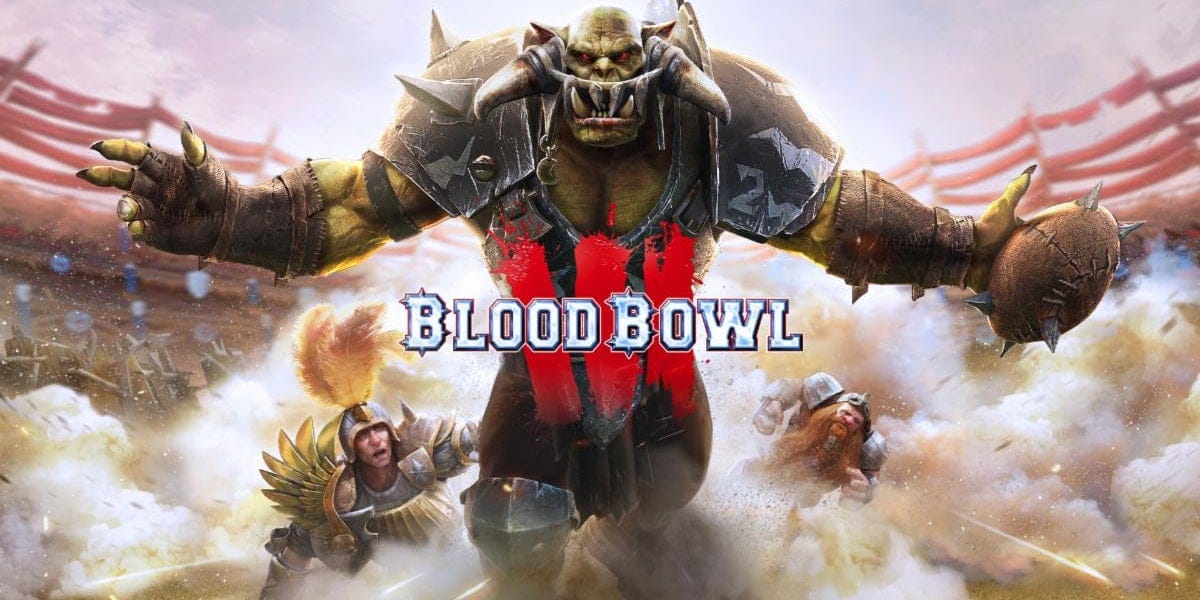
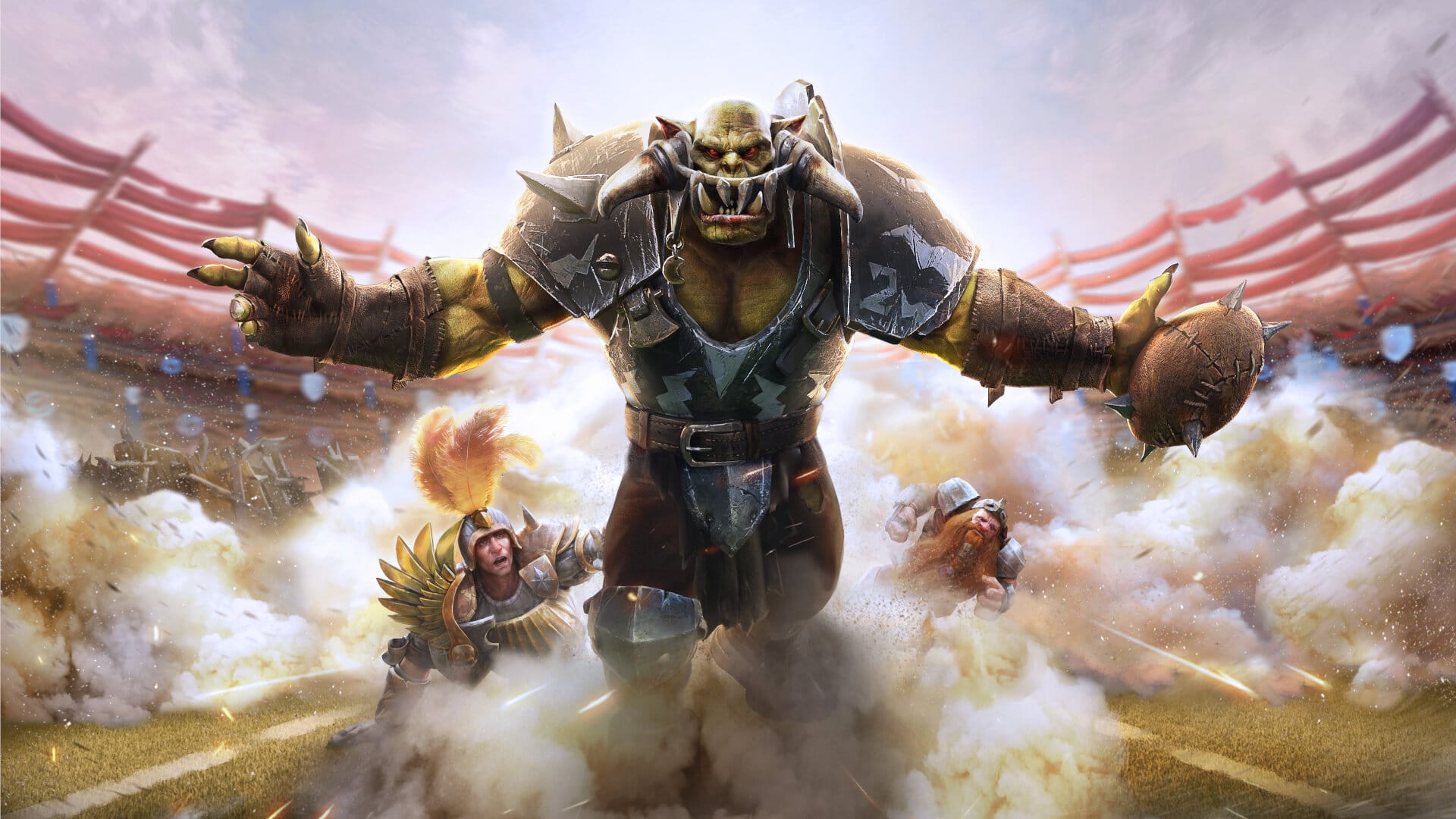
While Nacon’s share price has declined approximately 52% over the past two years and the French publisher fights to stabilize its books, Slitherine acquired Blood Bowl—one of Warhammer’s most established digital franchises—for an estimated €5–15 million. Blood Bowl fans now face a clear question: does this transfer represent stabilization under a specialist tactician, or a rebuild that risks alienating the existing player base during a critical transition window.
What Happened: The Deal, the Numbers, and the Timeline
Slitherine Software acquired the Blood Bowl digital licence from Nacon in a transaction valued in the €5–15 million range, based on comparable IP transfers and Nacon’s asset review disclosures. The announcement arrived during Nacon’s systematic financial restructuring, following 18 months of declining revenue and shareholder pressure. Nacon’s revenue fell 27% year-over-year in fiscal 2023, with operating margins swinging from positive to deeply negative territory. The publisher’s net debt position reached approximately €45 million as of mid-2024, eliminating any margin for underperforming assets. Blood Bowl 3, while critically respected, failed to achieve commercial viability—estimates place sales between 200,000–400,000 units across PC, PlayStation 5, and Nintendo Switch, far below the 1+ million threshold required to justify ongoing AAA investment. Games Workshop, the licensor overseeing all Warhammer digital properties, confirmed the transfer and explicitly signalled support for Slitherine’s stewardship—a crucial endorsement indicating the deal was a strategic placement with a publisher Games Workshop trusts to execute on premium IP, not a distressed liquidation.
Cyanide Studio, the Paris-based developer behind Blood Bowl 3 (February 2023 release) and Blood Bowl 2, remained under Nacon’s corporate umbrella during the licence transfer. The critical ambiguity: Slitherine did not automatically inherit Cyanide’s development team. The developer relationship will now be renegotiated between Slitherine and either Nacon (if Cyanide remains Nacon-owned) or directly with Cyanide if the studio was spun off as part of the asset separation. This operational gap leaves the Blood Bowl community without clarity on whether the next instalment will maintain creative continuity or undergo a wholesale design reset under Slitherine’s philosophy. The deal closed within 120–150 days of announcement, indicating minimal regulatory friction and suggesting Games Workshop moved rapidly once Nacon signalled financial distress.
What this means for players: The speed of this deal and the lack of transparency around developer continuity suggests you should expect a 6–12 month period of minimal Blood Bowl 3 updates while Slitherine audits the codebase and determines whether to continue supporting the current game or greenlight Blood Bowl 4 development.
Why This Deal Happened: Strategic Motivation
Slitherine’s acquisition of Blood Bowl represents a surgical fit within the company’s established business model. Over the past decade, Slitherine has consolidated a fortress in turn-based tactics and wargaming through franchises including Warhammer 40K: Battlesector, Warhammer 40K: Mechanicus, Panzer Corps 2, and Field of Glory. These titles monetize through season passes, cosmetics, and DLC expansions rather than chasing mainstream AAA budgets—a model that generates predictable recurring revenue from engaged niche audiences. Blood Bowl is architecturally identical: a turn-based tactics game rooted in Games Workshop’s IP, with an established competitive community and a playerbase that prioritizes strategic depth over graphical fidelity. By acquiring Blood Bowl, Slitherine gains direct conduit access to Games Workshop’s licensing pipeline and provides the licensor with proof that Slitherine can steward premium Warhammer properties at scale across multiple franchises.
Nacon’s motivation was existential. The publisher’s 27% year-over-year revenue decline in fiscal 2023, combined with its €45 million net debt position, left zero tolerance for underperforming assets. Blood Bowl 3’s failure to exceed 400,000 total units meant the franchise was consuming operational resources without generating sufficient return. Converting the licence into immediate cash allowed Nacon to reduce debt servicing costs and refocus on core franchises (WRC motorsport series, Spintires survival simulator) where the company retains competitive positioning. For Games Workshop, the calculus was equally pragmatic: Nacon was a distressed partner with deteriorating balance sheet health, and Blood Bowl’s digital performance was stalling under Nacon’s stewardship. Placing the licence with Slitherine—a publisher with proven execution across Warhammer adaptations and a track record of sustainable long-tail monetization—reduced the risk of the franchise languishing or being abandoned. The timing also reflects Games Workshop’s deliberate strategy to consolidate premium digital licences with specialist partners rather than distributing them across struggling mid-tier conglomerates.
What this means for players: Slitherine’s acquisition strategy signals that future Blood Bowl content will prioritize competitive infrastructure, mod support, and balance patches over cutting-edge visuals or mainstream seasonal events. Expect a repositioning toward “hardcore tactics” positioning with fewer cosmetic-focused monetization campaigns.
Who Wins and Who Loses: Industry Power Shift
This deal reshuffles competitive positioning across European publishing and Games Workshop’s digital ecosystem. The stakeholder outcomes are distinct:
| Entity | Outcome | Reason |
|---|---|---|
| Slitherine | Major Win | Acquires a Games Workshop flagship IP with an estimated 600,000+ player community across all platforms, strengthens negotiating position for future Warhammer licences, and diversifies revenue beyond pure strategy titles into sports-tactics hybrid. Control over Blood Bowl positions Slitherine as Games Workshop’s primary digital tactics partner. |
| Nacon | Neutral-to-Loss | Converts underperforming asset to immediate cash (balance-sheet relief via €5–15 million injection) but permanently loses a premium IP that could have appreciated under improved stewardship. The divestiture signals to Games Workshop and other IP holders that Nacon is no longer a reliable long-term partner for premium franchises. |
| Games Workshop | Moderate Win | Stabilizes a licence with a specialist partner proven to execute on Warhammer properties, reduces risk of brand dilution, and maintains revenue stream without capital outlay. However, consolidating Blood Bowl with Slitherine’s existing Warhammer portfolio reduces Games Workshop’s optionality if Slitherine underperforms. |
| Blood Bowl Players | Uncertain | Potential for improved competitive infrastructure and long-term support under Slitherine; near-term risk of content gaps during transition, possible reset of ranked ladders, and uncertainty around cosmetics/DLC transfer policies. |
| Cyanide Studio | High Risk | Developer’s future depends entirely on Slitherine’s staffing decisions. Restructuring, significant layoffs, or outsourcing of Blood Bowl 4 to a different studio are plausible within 9–12 months, particularly if Slitherine views Cyanide’s current codebase as legacy rather than foundation. |
| Rival Tactics Publishers | Lose Ground | Slitherine’s control of Blood Bowl plus existing Warhammer 40K titles (Battlesector, Mechanicus) creates near-monopoly on digital Warhammer tactics, raising competitive barriers for studios like Proxy Studios or independent developers seeking Games Workshop licensing. |
The deeper structural shift is consolidation. Games Workshop is deliberately funnelling premium digital licences toward publishers with proven execution track records and financial stability. Slitherine, backed by parent company Headquarters (a Luxembourg-based investment firm with substantially deeper pockets than Nacon), has the balance sheet and strategic patience to weather live-service cycles that mid-tier publishers cannot sustain. This creates a widening moat: as Slitherine accumulates more Warhammer properties, it becomes Games Workshop’s default partner for new tactics and strategy licensing, making it exponentially harder for smaller publishers to break into the ecosystem. For indie studios and smaller publishers, the precedent is unambiguous—Games Workshop is signalling that premium IP requires financial depth and proven execution capability to thrive digitally.
What this means for players: If you follow other Games Workshop digital properties currently licensed to mid-tier publishers, monitor Nacon’s next earnings report closely. If additional asset sales are announced, expect those franchises to migrate toward Slitherine or consolidate elsewhere—potentially disrupting your game’s support roadmap and creating mid-transition content gaps.
What This Means for Gamers: Real Impact on Games You Play
The most immediate question for Blood Bowl 3 players is continuity of service. Nacon published Blood Bowl 3 in February 2023 across PC (Steam), PlayStation 5, and Nintendo Switch (June 2023 port). The game earned critical respect (75–78 Metacritic scores) but faced persistent community criticism regarding balance patches, competitive ladder integrity, and monetization aggressiveness relative to player retention metrics. Slitherine’s acquisition does not automatically terminate Blood Bowl 3 support—but it introduces material uncertainty. Slitherine has historically maintained 3–5 year support cycles for its titles (Warhammer 40K: Battlesector received meaningful balance patches 18 months post-launch), but Blood Bowl 3’s live-service infrastructure and codebase were architected by Cyanide under Nacon’s direction. Slitherine will conduct a technical audit to determine whether continuing Blood Bowl 3 support is economically rational or whether accelerating Blood Bowl 4 development takes priority.
For players holding cosmetics, team packs, or season passes, the outcome is mixed. Games Workshop’s licensing terms typically mandate backward compatibility and content preservation across publisher transitions, meaning cosmetics purchases should remain accessible post-acquisition. However, Slitherine may discontinue new cosmetics or DLC for Blood Bowl 3 faster than Nacon would have, reallocating resources toward Blood Bowl 4. Expect an official statement within 30–60 days of deal close confirming Blood Bowl 3’s patch schedule through 2025. Platform availability will likely remain stable—Blood Bowl 3 will stay on PC, PlayStation, and Switch—but Slitherine may explore optimization for next-gen hardware (PlayStation 5 Pro, potential Xbox Series X|S release) as part of Blood Bowl 4’s launch strategy.
The strategic question is Blood Bowl 4’s design philosophy. Slitherine’s titles are structurally leaner, more mod-friendly, and less cosmetics-dependent than Nacon’s approach. Blood Bowl 4, when announced, could shift toward hardcore competitive positioning with robust esports infrastructure (official leagues, spectator tools, transparent ranked matchmaking) and reduced emphasis on cosmetic monetization. This aligns with Slitherine’s track record but represents a departure from Nacon’s casual-accessibility positioning. For competitive players, this is likely positive; for cosmetics-driven players, it introduces risk. Timeline expectations: Blood Bowl 4 announcement within 18–24 months, with release targeting late 2025 or 2026 depending on Cyanide’s staffing status and Slitherine’s resource allocation across its Warhammer portfolio.
What this means for players: If you play Blood Bowl 3 casually, assume minimal meaningful updates after Q2 2025 while Slitherine prioritizes Blood Bowl 4 development. If you compete in ranked play, the transition could improve infrastructure and balance patch frequency. Your cosmetics purchases are legally protected, but do not expect new cosmetics to release on current cadence during the 12–18 month transition period.
Market Context: How This Fits the Bigger Industry Picture
Nacon’s financial distress is not an anomaly but symptomatic of systemic collapse in mid-tier European publishing. The 2023 funding winter—when venture capital evaporated and AAA budgets contracted—devastated publishers relying on speculative growth and high burn rates. Nacon accumulated debt during the 2019–2021 expansion phase, aggressively acquiring studios (Spiders, Big Ben Interactive) and greenlit multiple mid-budget franchises with the assumption that revenue growth would continue indefinitely. By 2023, that growth evaporated, and Nacon entered slow-motion restructuring. The Blood Bowl divestiture is one of several asset sales Nacon has executed—the company also explored selling its esports division and evaluated strategic partnerships or outright divestiture of its WRC franchise. Nacon is not isolated: Embracer Group, Saber Interactive, and even Ubisoft have systematically shed assets or studios to right-size balance sheets. The pattern is unambiguous: mid-tier publishers face existential pressure, and premium IP is flowing toward well-capitalized, strategically focused acquirers.
Games Workshop’s role in this consolidation is deliberate and systematic. Over the past five years, Games Workshop has formalized its digital licensing approach, moving away from exclusive long-term partnerships with single publishers toward portfolio diversification where different studios handle different franchises—but with increasing concentration among proven partners. This reduces risk but requires partners with demonstrable execution capability. Slitherine has become Games Workshop’s preferred vendor for turn-based tactics and strategy games—a category now encompassing Warhammer 40K: Battlesector, Warhammer 40K: Mechanicus, and Blood Bowl. This concentration is intentional; it reflects Games Workshop’s confidence in Slitherine’s ability to monetize hardcore audiences without diluting brand equity. For comparative context, here are analogous licensing consolidations from the past decade:
- 2019: Embracer Group acquired Saber Interactive and multiple mid-tier studios for approximately $525 million, consolidating AAA support infrastructure across a fragmented portfolio.
- 2021: Microsoft’s Bethesda acquisition ($7.5 billion) shifted Elder Scrolls and Fallout digital distribution toward Game Pass, establishing a new licensing paradigm for premium IP.
- 2023: Embracer Group’s subsequent divestiture of studios (Volition, Deus Ex, etc.) for approximately $200 million total, reflecting the failure of acquisition-driven growth strategies.
The Blood Bowl deal sits in the €5–15 million range—a mid-market transaction but one with outsized strategic importance. For investors, the deal signals that distressed IP from struggling publishers can find homes at reasonable valuations, a precedent likely to accelerate future consolidation. Nacon’s stock, already depressed by the 52% decline, may see temporary relief from the cash injection but faces longer-term headwinds as Games Workshop and other IP holders increasingly prefer direct partnerships with financially stable, strategically focused publishers over sprawling mid-tier conglomerates.
What this means for players: The structural trend is consolidation of premium gaming IP into fewer, more stable publishers. This may improve long-term support for franchises like Blood Bowl but reduces creative diversity and competitive pressure on publishers to innovate. Expect fewer experimental Warhammer titles and more sequels from proven winners.
What to Watch: Key Signals in the Months Ahead
The next 12 months will determine whether this acquisition represents genuine franchise stabilization or gradual decline. Monitor these specific indicators:
Slitherine’s first official Blood Bowl roadmap statement: Within 60–90 days of deal close, Slitherine must publish a public roadmap confirming Blood Bowl 3’s support duration, Blood Bowl 4’s development status, and platform expansion plans. Delays beyond 120 days signal internal disagreement about franchise direction or unforeseen technical challenges with the codebase. A roadmap committing to Blood Bowl 3 support through 2025 with a 2026 Blood Bowl 4 launch is a strong signal; vague statements about “evaluating options” indicate deeper uncertainty.
Cyanide Studio staffing announcements: Watch for news about Cyanide’s headcount and operational status. Slitherine retaining Cyanide’s core team (25–40 developers) signals Blood Bowl 4 will maintain creative continuity with Slitherine’s design overlay. If Slitherine outsources Blood Bowl 4 to a different studio or significantly reduces Cyanide’s headcount, expect a longer development cycle (24–30 months) and potential creative divergence. Any layoff announcements from Cyanide or Nacon’s game division should be treated as a negative signal for Blood Bowl’s near-term support.
Nacon’s next asset divestiture: Nacon’s CEO will likely announce further asset sales or partnerships in Q3 2024 earnings calls. If Games Workshop properties beyond Blood Bowl (Warhammer: Battlesector, or any WRC digital licensing) are divested, it signals broader consolidation pressure and may accelerate additional Slitherine acquisitions. Conversely, if Nacon stabilizes and retains remaining IP, it suggests the Blood Bowl sale was a tactical move rather than systematic fire sale.
Games Workshop licensing announcements: Games Workshop’s quarterly investor updates should reveal whether the company is consolidating additional digital licences with Slitherine or diversifying its publisher base. Slitherine’s Blood Bowl acquisition is a confidence vote, but Games Workshop may still license other Warhammer properties to competitors to avoid over-reliance on a single publisher. Any announcement that Slitherine has secured exclusive rights to all future Warhammer tactics games would represent massive power consolidation.
Blood Bowl 3 live-service metrics: Player counts, concurrent user peaks, and revenue data for Blood Bowl 3 will determine whether Slitherine continues supporting the current game or accelerates Blood Bowl 4. If Blood Bowl 3’s player base drops below 30,000 concurrent users globally or monthly active users fall below 100,000, Slitherine will likely sunset the game faster and push Blood Bowl 4 into early access or soft launch within 12–18 months.
Slitherine funding or parent company involvement: Slitherine’s parent, Headquarters, is a private investment firm with substantial capital but limited public disclosure. Watch for announcements about Slitherine raising additional capital or Headquarters acquiring complementary studios. If Slitherine secures €50+ million in new funding, it signals confidence in the Blood Bowl acquisition and willingness to invest heavily in the next instalment. If Headquarters divests Slitherine or reduces its stake, it could signal concerns about the publisher’s ability to monetize Blood Bowl effectively.
Editor’s Call: This deal is a net positive for Blood Bowl’s long-term survival but introduces material near-term execution risk. Slitherine’s acquisition removes the franchise from a publisher in financial freefall—the primary threat to the licence’s viability. However, Slitherine’s success depends entirely on retaining Cyanide’s core development team and committing to a 24–36 month development cycle for Blood Bowl 4. If Slitherine treats Blood Bowl as a secondary franchise asset or outsources development to cheaper studios, the deal will prove a missed opportunity. Watch the first roadmap announcement closely—it will reveal whether Slitherine views Blood Bowl as a franchise to revitalize or a portfolio asset to monetize quickly and move on. The franchise’s future hinges on Slitherine’s willingness to invest in competitive infrastructure and mod support, not cosmetic monetization.
Frequently Asked Questions
Will the Slitherine acquisition of Blood Bowl from Nacon affect the games I already own?
Your Blood Bowl 3 purchases, cosmetics, and season pass content are legally protected under Games Workshop’s licensing terms and should remain accessible post-acquisition. However, expect a 3–6 month transition period with minimal new cosmetics or DLC as Slitherine audits the codebase. Patch support will likely continue through 2025, but the frequency and scope may decline compared to Nacon’s live-service cadence as Slitherine prioritizes Blood Bowl 4 development.
Is Nacon stock a good buy or a warning sign after the Blood Bowl licence sale?
Nacon stock is a high-risk turnaround play, not a value opportunity. The Blood Bowl sale converts an underperforming asset into immediate cash (€5–15 million injection), which reduces near-term bankruptcy risk and debt pressure—a modest positive. However, the sale also signals that Games Workshop and other IP holders lack confidence in Nacon’s ability to execute premium franchises, which is a negative for future licensing partnerships. Watch Nacon’s Q3 2024 earnings and debt reduction trajectory before buying; if the company stabilizes profitability and secures new IP partnerships, it’s a potential recovery story. If more asset sales are announced, it’s a distress signal.
What happens to Blood Bowl 3 and future Blood Bowl games after Slitherine takes over?
Blood Bowl 3 will likely receive balance patches and minor content updates through mid-2025, then enter maintenance mode as Slitherine shifts resources to Blood Bowl 4. Expect Blood Bowl 4 announcement within 18–24 months, with a design philosophy shift toward hardcore competitive play, mod support, and esports infrastructure rather than cosmetic monetization. If Slitherine retains Cyanide’s development team, creative continuity is likely; if the studio is restructured or outsourced, expect a longer development cycle and potential design departures. Platform support will expand (likely Xbox Series X|S), but console exclusivity is unlikely.