Scopely Niantic $3.5bn Merger: What It Means for Mobile Gaming
Disclosure: As an Amazon Associate, Bytee earns from qualifying purchases.
A $3.5 billion all-cash acquisition just handed the Pokemon Go developer to one of mobile gaming’s most ruthless live-service operators—and it will either unlock the next generation of AR gaming or accelerate the industry’s consolidation into a handful of mega-publishers controlling player choice. On December 9, 2024, Scopely announced it would acquire Niantic, the San Francisco-based studio behind the cultural phenomenon that mobilized millions of players in 2016. This transaction ranks as the second-largest mobile gaming deal in history, behind only Take-Two’s $12.7 billion acquisition of Zynga in 2022, and it signals a critical inflection point: live-service expertise and proven IP franchises now command valuations that force traditional publishers to defend market position or face obsolescence.
The Deal Structure: $3.5 Billion, Independent Operating Unit, Mid-2025 Close
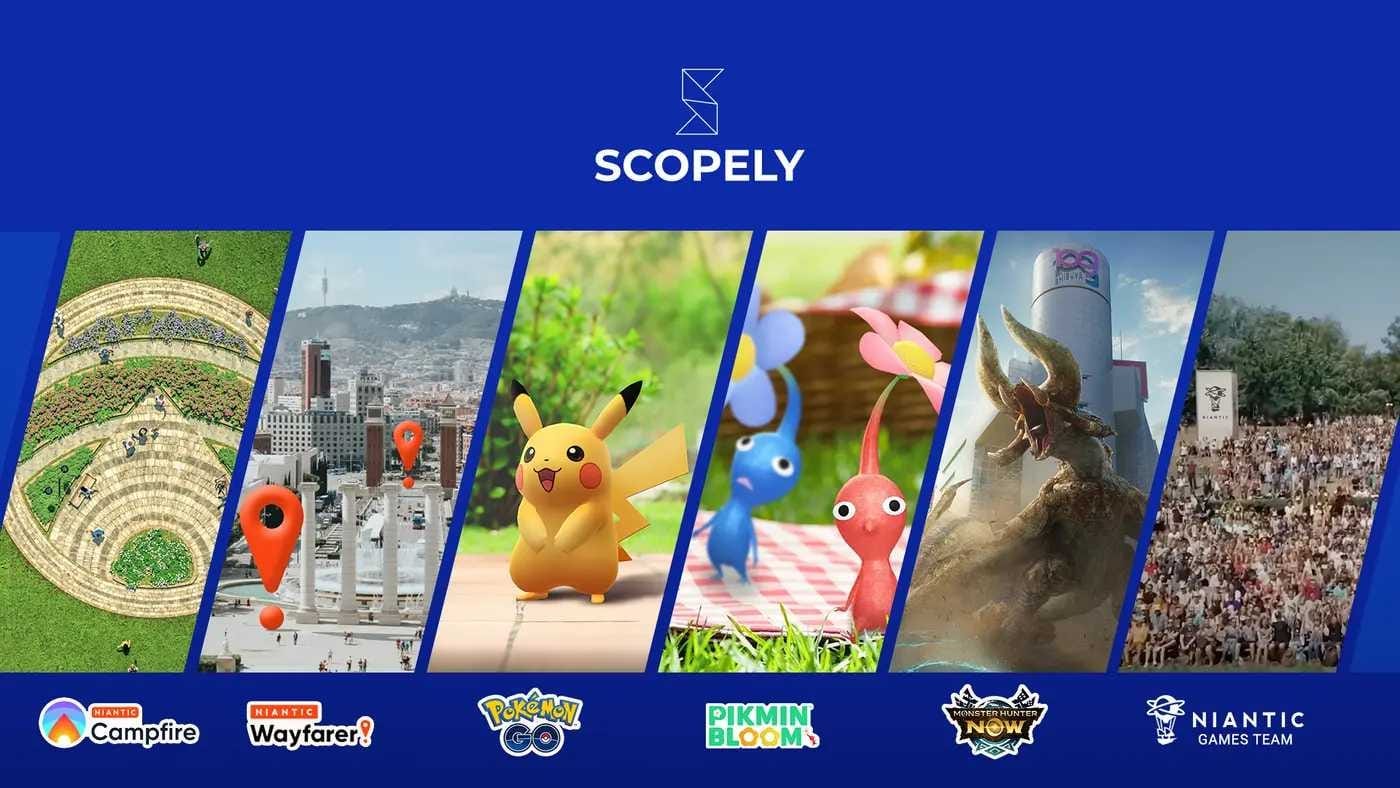
Scopely, the Los Angeles-based publisher behind Monopoly Go! (which generated $1.1 billion in revenue during 2024) and Marvel Strike Force, is acquiring Niantic for $3.5 billion in an all-cash transaction announced in Q4 2024. The deal is expected to close in mid-2025, pending regulatory approvals from the FTC and international authorities. The transaction structure preserves Niantic as an independent operating unit, meaning the studio will not be immediately absorbed into Scopely’s existing organizational hierarchy. This arrangement is designed to insulate Niantic’s specialized expertise in location-based and augmented reality development from disruption, a critical consideration given that Pokemon Go’s operational continuity directly impacts Scopely’s return on investment.
The $3.5 billion valuation represents approximately 8-10x Niantic’s estimated annual revenue of $400-450 million (2023-2024 period, with Pokemon Go accounting for roughly 85-90% of total revenue). This multiple is aggressive but rational within the live-service acquisition market. For comparison, Take-Two paid 12.5x Zynga’s revenue in 2022, while King Digital (Activision Blizzard’s casual gaming division) trades at 3-5x revenue depending on the metric. Scopely’s premium valuation reflects three factors: (1) Pokemon Go’s proven long-tail revenue model (70+ million monthly active users, 60%+ retention among core players); (2) scarcity of franchises with multi-generational appeal and location-based mechanics; and (3) the Niantic Lightship platform, a proprietary AR infrastructure that enables third-party developers to build location-based experiences at scale. The all-cash structure underscores Scopely’s financial strength; the publisher likely assembled a consortium of venture capital partners and strategic investors to fund the acquisition, signaling confidence from multiple financial stakeholders in the deal’s value creation potential.
Regulatory approval is expected by Q2 2025, though standard FTC and EU antitrust reviews are ongoing. The deal has not triggered major antitrust objections, likely because Scopely and Niantic operate in distinct market segments (Scopely: mid-core and casual live-service games; Niantic: location-based AR). Neither company holds dominant market share in a specific category that would trigger consolidation concerns. However, if regulators adopt a stricter stance on gaming consolidation, conditions could be imposed—such as mandatory licensing of the Lightship platform to competitors or restrictions on cross-promotion between Scopely’s portfolio and Pokemon Go.
What this means for players: Pokemon Go’s gameplay, progression systems, and monetization model will remain stable through the deal close and beyond. The independent operating unit structure protects against immediate operational disruption. However, the 6-9 month regulatory and integration window creates uncertainty around roadmap announcements and feature investments.
Strategic Rationale: Why Scopely Paid Premium Valuation and Why Niantic Accepted
For Scopely, this acquisition represents a direct assault on competitors’ market position in the casual and mainstream gaming segments. Scopely has built a $2+ billion annual revenue machine through mid-core and casual live-service games, but it has minimal presence in the “mainstream casual” category where Pokemon Go dominates with 70+ million monthly active users and consistent 60%+ retention rates among engaged players. By acquiring Niantic, Scopely gains three assets: (1) direct control over Pokemon Go, a franchise that generates $400-450 million annually with minimal marketing spend (brand recognition is organic); (2) the Niantic Lightship platform, enabling Scopely to build and publish new AR titles without reinventing location-based infrastructure; and (3) Niantic’s operational expertise in location-based game design, a specialized competency that Scopely lacks. This is not a defensive acquisition—it’s an offensive move to leapfrog Take-Two (Zynga’s owner) and Activision Blizzard (King Digital’s owner) in the AR and location-based gaming vertical, projected to grow 25-30% annually through 2030 as smartphone AR capabilities improve and consumer interest in outdoor gaming persists post-COVID.
For Niantic, the deal solves an existential capital problem. Since Pokemon Go’s 2016 launch, Niantic has failed to replicate that success with other titles. Ingress, Harry Potter: Wizards Unite (shut down in 2022), and Pikmin Bloom have all underperformed revenue expectations. The studio has burned through hundreds of millions in development costs chasing a second franchise hit, and investor patience has eroded. Joining Scopely provides access to live-service operational expertise, player acquisition capabilities, and retention mechanics that Scopely has proven at scale (Monopoly Go! scaled from launch to $1 billion+ revenue in under two years). Additionally, Scopely’s CEO Dan Silvers and his leadership team have successfully navigated live-service monetization optimization, a discipline that Niantic’s product teams can leverage to maximize Pokemon Go’s unit economics. Critically, the deal provides an exit for Niantic’s investors and founders without triggering a hostile acquisition or forced breakup. Niantic had been acquisition rumor subject for years; this deal provides autonomy within a larger structure, preserving founder and leadership influence while eliminating financial distress risk.
The timing capitalizes on a consolidation wave that has reshaped mobile gaming between 2022 and 2024. Annual M&A activity in mobile gaming exceeded $40 billion during this period, with investors and public companies prioritizing proven, high-margin live-service franchises over speculative new IP. Player acquisition costs (CAC) are rising 15-20% annually, and retention is harder than ever; owning a franchise with built-in audience loyalty (Pokemon Go’s 70+ million MAU) justifies premium valuation. Both companies benefit from moving quickly before consolidation closes off other strategic options or investor appetite for gaming M&A cools.
What this means for players: The strategic logic is sound for both franchises’ operational futures. Scopely’s live-service playbook should sustain Pokemon Go’s roadmap at higher investment levels, while Niantic gains resources to develop new AR experiences. The critical risk is integration mismanagement during the 6-12 month transition period (mid-2025 through late 2025), which could disrupt feature releases or player communication.
Competitive Winners and Losers: Power Consolidation Across Mobile Gaming
The Scopely-Niantic merger immediately repositions the mobile gaming competitive hierarchy. Scopely becomes a top-3 mobile publisher by revenue, joining Tencent (Honor of Kings, PUBG Mobile, $9+ billion annual gaming revenue) and NetEase (Diablo Immortal, Lost Ark, $2+ billion annual revenue). Pre-deal, Scopely generated approximately $2+ billion annually; post-close, the combined entity will exceed $2.5 billion in annual revenue once Pokemon Go’s $400-450 million contribution is integrated. This scale provides Scopely with superior negotiating leverage against platform holders (Apple, Google), IP licensors (Disney, Marvel, Warner Bros.), and allows the publisher to invest more aggressively in live-service infrastructure, player acquisition, and retention mechanics than mid-tier competitors. Niantic, meanwhile, achieves financial stability and operational independence, avoiding activist investor pressure or forced breakup scenarios. For Niantic employees and leadership, the deal provides multi-year employment clarity and access to Scopely’s operational infrastructure without immediate organizational absorption.
The clear losers are indie studios, mid-sized publishers, and Scopely’s direct competitors. Any startup or mid-tier publisher pursuing location-based or AR gaming experiences now faces a consolidated competitor backed by Scopely’s $2.5 billion+ revenue base and Pokemon Go’s user acquisition machine. Scopely’s acquisition of Niantic effectively closes off one of the last independent AR platforms in gaming; future AR developers will need to either build proprietary platforms (expensive, high-risk) or negotiate with Scopely for Lightship access (giving Scopely visibility into competitive projects). Take-Two (Zynga’s owner) and Activision Blizzard (King Digital’s owner) face direct competitive pressure. Take-Two’s Zynga has struggled to grow beyond core franchises (Words With Friends, FarmVille), with growth plateauing as player acquisition costs rise. King Digital’s portfolio (Candy Crush, Pet Rescue Saga) is aging; Candy Crush’s revenue growth has slowed materially since 2020. Both companies may face shareholder pressure to pursue defensive acquisitions to maintain competitive positioning against Scopely’s expanded portfolio.
Talent retention at Niantic represents a secondary competitive dynamic. The studio has experienced significant departures in recent years as projects failed and growth trajectory slowed. A merger announcement can trigger additional departures of senior engineers, product managers, and business leaders who fear integration disruption or cultural misalignment with Scopely’s more aggressive monetization philosophy. However, Scopely’s track record of integrating acquired studios (multiple acquisitions over the past 5 years) suggests management will invest in retention bonuses and leadership continuity. The announcement of Niantic remaining an independent operating unit is a positive signal for employee stability, though watch for departures in the 3-6 months following deal close.
| Stakeholder | Outcome | Financial/Strategic Impact |
|---|---|---|
| Scopely | Major Win | Becomes top-3 mobile publisher; gains control of 70+ million MAU franchise and proprietary AR platform; expands revenue base by $400-450 million annually; achieves negotiating leverage against Apple, Google, and IP licensors |
| Niantic | Win | Secures $3.5 billion valuation; gains operational expertise and player acquisition capability; maintains independent structure; eliminates financial distress risk; avoids hostile consolidation |
| Take-Two / King Digital | Lose | Face new competitive pressure from $2.5 billion+ revenue competitor; Zynga and King portfolios aging; likely to trigger defensive M&A or portfolio optimization; shareholder pressure to pursue strategic acquisitions |
| Indie Studios & AR Startups | Lose | Lose Niantic as potential acquirer or platform partner; face consolidated AR market dominated by Scopely-backed Lightship infrastructure; higher barriers to entry for new location-based games |
| Players | Neutral to Slight Win (Short-Term) | Pokemon Go roadmap supported by increased investment; potential new AR titles; risk of subscription bundling and cross-promotion integration that increases monetization pressure |
What this means for players: The consolidation accelerates “mega-publisher gaming,” where a handful of companies control the majority of live-service franchises and player wallets. For Pokemon Go players, this likely means better resource allocation and faster feature releases. For AR gaming broadly, this reduces the likelihood of independent competitors challenging Scopely’s platform dominance, potentially stifling innovation in location-based experiences outside Scopely’s portfolio.
Player-Facing Consequences: What Changes for Pokemon Go and AR Gaming
The most immediate consequence for Pokemon Go players is operational stability through mid-2025 and beyond. Scopely has publicly committed to maintaining Niantic as an independent operating unit, and zero announcements suggest changes to gameplay mechanics, progression systems, or core monetization model. Pokemon Go’s current roadmap—seasonal events, raid mechanics, PvP features, location-based mechanics, and new Pokemon generation releases—will continue uninterrupted. In fact, Scopely’s acquisition likely signals increased investment in Pokemon Go’s live-service content, as the publisher will want to maximize the franchise’s revenue potential and leverage it as a centerpiece of its broader portfolio. Expect more frequent event rotations, accelerated Pokemon generation releases, and potentially higher production value for seasonal content as Scopely applies its live-service playbook (proven on Monopoly Go! and Marvel Strike Force) to the game.
Cross-promotion and bundling represent the next major consequence for players. Scopely owns Monopoly Go! (1.4 billion downloads, $1+ billion annual revenue), Marvel Strike Force (200+ million downloads), and Star Trek Fleet Command, among other titles. Within 12-18 months of deal close, expect themed crossovers: Pokemon-branded cosmetics appearing in Monopoly Go!, Marvel characters featured in Pokemon Go seasonal events, or cross-game progression mechanics linking Pokemon Go to other Scopely titles. Cross-promotion is not inherently negative—it can drive engagement and introduce players to new franchises—but it signals that Scopely will leverage Pokemon Go as a marketing asset for its broader portfolio, not as a standalone franchise. Subscription bundling is also probable; Scopely may eventually offer a “Scopely+ Pass” or similar service bundling benefits across its games (similar to Xbox Game Pass for console titles). This could benefit players with multi-game interest but could also increase per-player lifetime value extraction if bundled pricing is not transparent or competitively positioned.
New AR titles using Niantic’s Lightship platform represent the major upside for the gaming ecosystem. Scopely has the capital and operational expertise to fund new location-based and AR games that leverage Niantic’s technical infrastructure. This could include licensed AR experiences (Star Wars AR, Marvel AR, DC Comics AR) or original IP built on the platform. For players, this means more AR gaming options beyond Pokemon Go, assuming Scopely invests in the platform beyond Pokemon monetization. However, the critical risk is execution: if Scopely deprioritizes Niantic’s platform investments in favor of extracting maximum value from Pokemon Go alone, the AR gaming ecosystem stagnates and independent AR developers lose access to a critical platform.
Portfolio rationalization is the final consequence. Niantic’s underperforming titles (Pikmin Bloom, which has generated roughly $50-100 million lifetime revenue but failed to achieve sustainability) will be subject to Scopely’s profitability thresholds. Pikmin Bloom could be sunset or significantly deprioritized if it doesn’t meet Scopely’s ROI standards. The long-rumored Harry Potter: Wizards Unite successor is also at risk; if Scopely determines that licensing costs exceed revenue potential, the project could be cancelled. Players invested in these titles should monitor official announcements closely over the next 12 months for signal of continued investment or discontinuation.
What this means for players: Short-term (next 6 months): Pokemon Go remains stable with increased operational investment. Medium-term (6-18 months): expect cross-game integration, subscription bundling, and new AR titles launched on Lightship. Long-term (18+ months): the consolidation of AR gaming under Scopely will either accelerate innovation (if Scopely invests aggressively in the platform) or stifle competition (if Scopely treats Lightship as a secondary asset to Pokemon Go monetization).
Industry Consolidation Context: How This Fits the Broader Mobile Gaming Landscape
The Scopely-Niantic deal is the second-largest mobile gaming acquisition in history and the most significant since Take-Two’s $12.7 billion acquisition of Zynga in May 2022. It is part of a consolidation wave that has fundamentally reshaped the mobile gaming industry over the past three years. Between 2022 and 2024, the mobile gaming M&A market exceeded $40 billion annually, with major transactions including Embracer Group’s acquisition of Aspyr Media ($530 million, 2021), Microsoft’s acquisition of Activision Blizzard ($68.7 billion, 2023—spanning console, PC, and mobile), and Tencent’s ongoing acquisition strategy across Southeast Asia and Europe. The sheer volume of consolidation activity reflects investor confidence in live-service gaming as a durable, high-margin business model, even as free-to-play monetization faces increasing regulatory scrutiny in Europe and Asia.
What distinguishes the Scopely-Niantic deal is its strategic focus on AR and location-based gaming, a vertical that has been largely dormant since Pokemon Go’s peak in 2016-2017. For years, AR gaming was perceived as a niche or experimental category—interesting to technologists but not a mainstream consumer segment. However, several factors have shifted the strategic calculus: (1) smartphone AR capabilities have improved dramatically; iOS and Android now support sophisticated AR experiences natively without requiring specialized hardware; (2) consumer interest in outdoor and location-based activities surged post-COVID, and Pokemon Go benefited materially from this trend; and (3) the broader spatial computing narrative (Apple Vision Pro, Meta’s AR glasses roadmap, Google’s AR initiatives) has legitimized AR as a strategic priority for major technology companies. By acquiring Niantic, Scopely is betting that AR gaming is poised for resurgence, positioning itself to lead that wave before competitors (Microsoft, Meta, Apple) enter the consumer AR gaming market with proprietary platforms.
The deal also reflects a fundamental shift in M&A strategy among mobile publishers. Five years ago, acquisitions were driven by talent acquisition and IP expansion (studios acquiring smaller teams to add game franchises). Today, acquisitions are driven by platform consolidation and operational expertise. Take-Two acquired Zynga not for individual game franchises but for Zynga’s live-service operating platform and its player base. Similarly, Scopely is acquiring Niantic not solely for Pokemon Go but for the Niantic Lightship platform and the studio’s specialized expertise in building location-based and AR experiences at scale. This strategic shift signals a maturing market where operational excellence and platform control matter more than raw IP volume.
- Take-Two acquires Zynga (May 2022): $12.7 billion all-cash; largest mobile gaming deal in history until Scopely-Niantic. Take-Two paid 12.5x revenue multiple, signaling aggressive expansion into casual and social gaming. Deal closed in May 2022; integration ongoing through 2024.
- Microsoft acquires Activision Blizzard (October 2023): $68.7 billion; largest gaming industry deal ever, spanning console, PC, and mobile. Faced intense regulatory scrutiny from FTC and UK CMA; ultimately cleared with commitments to maintain third-party access to Call of Duty on PlayStation.
- Embracer Group acquisition spree (2021-2023): Multiple acquisitions totaling $2+ billion, including Aspyr Media, Saber Interactive, and others. Focused on IP acquisition and studio consolidation rather than platform control. Many acquisitions underperformed post-close, triggering subsequent divestitures.
- Tencent ongoing acquisitions (2020-2024): Invested in Snapchat, Paradox Interactive, Frontier Developments, and numerous Southeast Asian studios. Strategy is geographic diversification and IP portfolio expansion rather than consolidation of specific platforms.
What this means for players: The consolidation wave is reshaping mobile gaming from a fragmented market of hundreds of independent studios into a duopoly-like structure dominated by a handful of mega-publishers (Scopely, Take-Two, Tencent, Activision Blizzard). This could improve game quality and investment (more resources for live-service support), but it also reduces creative diversity and increases the risk of anti-consumer monetization practices spreading across the entire industry as mega-publishers optimize for unit economics rather than player experience innovation.
Critical Signals to Monitor: Integration Timeline and Deal Success Indicators
Regulatory Approval Timeline (Q1-Q2 2025): The FTC will conduct a standard merger review to assess antitrust risk. Given that Scopely and Niantic operate in different market segments and neither holds dominant share in a specific category, approval is expected. However, if the FTC adopts a more aggressive stance on gaming consolidation, conditions could be imposed: mandatory licensing of the Niantic Lightship platform to competitors, restrictions on cross-promotion between Scopely and Niantic games, or requirements to maintain Niantic’s independence for a defined period. Watch for FTC statements and Hart-Scott-Rodino filings in January-March 2025. Approval delays beyond Q2 2025 would signal regulatory concerns and could force concessions from Scopely.
Integration Roadmap Announcement (June-August 2025): Within 30-60 days of deal close, Scopely will announce how it plans to integrate Niantic’s operations, technology, and talent. This announcement will clarify whether Niantic truly remains independent or if it becomes a division of Scopely’s larger operation. Key signals to watch: explicit commitment to Niantic independence (positive), new funding commitments for Lightship platform development (positive), announced retention bonuses for Niantic leadership (positive), immediate organizational restructuring (negative), reallocation of Niantic staff to other Scopely projects (negative), or deprioritization of the Lightship platform (negative).
First Joint Product or Cross-Promotion Reveal (9-12 months post-close): Expect the first Scopely-Niantic collaboration within 9-12 months of deal close. This could be a themed Pokemon Go event featuring Scopely IP (e.g., “Monopoly Go! in Pokemon Go”), a new AR game built on Lightship with Scopely publishing, or a cross-progression system linking Pokemon Go to other Scopely titles. The execution quality and monetization philosophy of this collaboration will signal how aggressively Scopely plans to leverage Niantic for revenue extraction. A modest, well-designed crossover that enhances both games is a positive signal. A heavy-handed, monetization-focused integration that disrupts Pokemon Go’s player experience is a warning sign.
Executive Retention and Talent Departures (3-12 months post-announcement): Monitor LinkedIn and industry reporting for departures of Niantic senior product managers, engineers, and business leaders. Niantic has lost key executives in recent years (John Hanke stepped down as CEO in 2022, though he remains executive chairman). Post-deal, watch for departures of senior product, engineering, or business leaders. High-profile departures could signal internal discord about the deal or concerns about integration. Conversely, announced retention bonuses or new leadership appointments (particularly Scopely executives joining Niantic’s board) signal confidence in the partnership. A wave of departures would significantly undermine the acquisition’s value by eroding Niantic’s specialized AR development expertise.
Pokemon Go Q1 2025 and Q2 2025 Financial Performance: Niantic will report Pokemon Go’s Q4 2024 and Q1 2025 revenue and user metrics as part of the deal close process (via earnings reports or investor presentations). These numbers provide a baseline for measuring post-deal success. If Pokemon Go’s revenue and engagement remain stable or grow post-deal, it signals successful operational continuity. If there is a sharp decline, it could indicate player concerns about the acquisition or operational disruption during integration.
Analyst Coverage and Synergy Assessments (6-12 months post-close): Within 6-12 months of deal close, equity analysts covering Scopely (assuming the company pursues an IPO or is acquired by a public company) will begin assessing whether the deal is delivering on promised synergies (cost savings, cross-promotion benefits, platform leverage). Watch for analyst upgrades or downgrades based on these assessments. Positive analyst commentary validates the deal’s strategic logic; negative commentary could trigger shareholder pressure on Scopely to accelerate integration or divest Niantic.
Lightship Platform Third-Party Developer Announcements: Monitor for announcements of new AR games or experiences built on the Niantic Lightship platform by third-party developers or Scopely-backed studios. If Scopely announces new titles (e.g., Star Wars AR, Marvel AR) within 12-18 months of deal close, it signals genuine investment in the platform as a strategic asset. Conversely, if no new third-party titles are announced and Scopely focuses exclusively on Pokemon Go monetization, it indicates the Lightship platform is being treated as a secondary asset.
Editor’s Call: This deal is strategically sound for Scopely and Niantic in the short term, but it accelerates mobile gaming consolidation in ways that could harm long-term industry diversity and innovation. The acquisition is justified by Scopely’s operational expertise and Pokemon Go’s proven economics, but the critical variable is execution: if Scopely genuinely invests in the Niantic Lightship platform and AR gaming as a standalone category, this deal unlocks genuine value for the gaming ecosystem. If it becomes a cash-extraction play focused solely on maximizing Pokemon Go revenue, the industry loses a critical platform for AR innovation and independent developers face consolidation pressure. Monitor the integration roadmap announcement (June-August 2025), executive retention metrics (3-12 months post-close), and Lightship platform third-party developer activity (12-18 months post-close). These three signals will determine whether this deal accelerates healthy AR gaming innovation or signals predatory consolidation that harms the broader gaming industry.
Frequently Asked Questions
Will the Scopely-Niantic merger affect Pokemon Go gameplay, my account, or my in-game progress?
No immediate changes are expected. Niantic is remaining an independent operating unit, and Scopely has committed to maintaining Pokemon Go’s current roadmap and live-service support. Your account, progress, and gameplay mechanics will remain unchanged through the deal close (mid-2025) and beyond. However, you should expect increased cross-promotion with Scopely’s other titles (Monopoly Go!, Marvel Strike Force) and potentially new themed events or cosmetics featuring Scopely IP. The deal is more likely to enhance Pokemon Go’s content roadmap than disrupt it.
Should I buy Scopely stock after this acquisition, or is it a risky bet?
This is not financial advice, but here are the key considerations: Scopely is not currently a public company, so you cannot directly buy Scopely stock (though it may pursue an IPO or be acquired by a public company, which would provide equity exposure). If you’re evaluating Scopely as an investment opportunity, the deal is strategically sound—acquiring Pokemon Go for $3.5 billion is a rational move for a live-service publisher with Scopely’s operating track record. However, the deal carries integration risk: if Scopely mismanages the Niantic transition, alienates Pokemon Go players, or fails to monetize the Lightship platform, the acquisition could destroy shareholder value. Monitor the integration roadmap and Q1-Q2 2025 financial results for signs of success or distress.
What happens to Niantic’s other AR projects (Pikmin Bloom, Harry Potter AR, Lightship platform) after the merger closes?
Niantic’s other projects are expected to continue development, but they will be subject to Scopely’s portfolio review and profitability standards. Pikmin Bloom, which has generated $50-100 million lifetime revenue but failed to achieve sustainability, could be at risk if it doesn’t meet revenue targets. The Lightship platform is likely to receive increased investment from Scopely, as it represents a strategic asset for building new AR experiences and monetizing the broader AR gaming market. Expect Scopely to announce new AR titles built on Lightship within 12-18 months of deal close. The key risk is if Scopely deprioritizes the platform in favor of extracting maximum value from Pokemon Go alone.
Could this merger lead to Pokemon Go becoming exclusive to certain platforms (iOS vs. Android) or regions?
This is highly unlikely. Pokemon Go is one of the most profitable and accessible games in history precisely because it’s available on both iOS and Android globally. Scopely would face massive backlash from players, regulators, and the Pokemon Company (which owns the Pokemon IP and likely has contractual approval rights over major changes) if it attempted to restrict the game’s availability. If anything, Scopely is more likely to expand Pokemon Go’s platform reach (e.g., bringing it to emerging markets or new device types) than restrict it. Platform exclusivity is not a realistic concern.