PlayStation PC Strategy Change: What It Means for Gamers
Disclosure: As an Amazon Associate, Bytee earns from qualifying purchases.
After porting titles like God of War and Marvel’s Spider-Man to PC and watching single-player revenue fall short of internal targets, Sony has made a decision that could lock millions of PC-only gamers out of PlayStation’s biggest franchises — and quietly hand Microsoft a competitive advantage it didn’t have to build. The shift represents a $2–3 billion annual revenue recalculation for Sony Interactive Entertainment, as the company’s internal data showed that PC ports of single-player games cannibalized PS5 hardware sales by an estimated 15–20% without generating sufficient incremental PC revenue to offset the loss. This is a watershed moment in platform strategy: Sony is walking back its 2019 PC expansion initiative, signaling that the financial model of porting first-party exclusives to Steam no longer works when weighed against the core business of selling PlayStation 5 consoles at $500 with a 40% attach rate on first-party software.
What Happened: Sony Halts First-Party PC Port Pipeline
In Q4 2023 (October–December 2023), Sony began signaling a strategic retreat from its aggressive first-party PC porting roadmap. The company, which had previously announced PC versions of major franchises including God of War Ragnarök, Marvel’s Spider-Man 2, and Horizon Forbidden West, quietly scaled back its public commitments to new PC releases. Rather than a formal press release or investor call declaration, the shift emerged through delayed port announcements, removed game listings from Steam databases, and most tellingly, Sony’s decision to classify future PC releases as “strategic exceptions” rather than standard practice for new first-party titles. This represents a complete reversal from the company’s 2019–2022 position, when then-CEO Jim Ryan explicitly stated that PlayStation would “explore expanding our IP to PC” as a core growth lever.
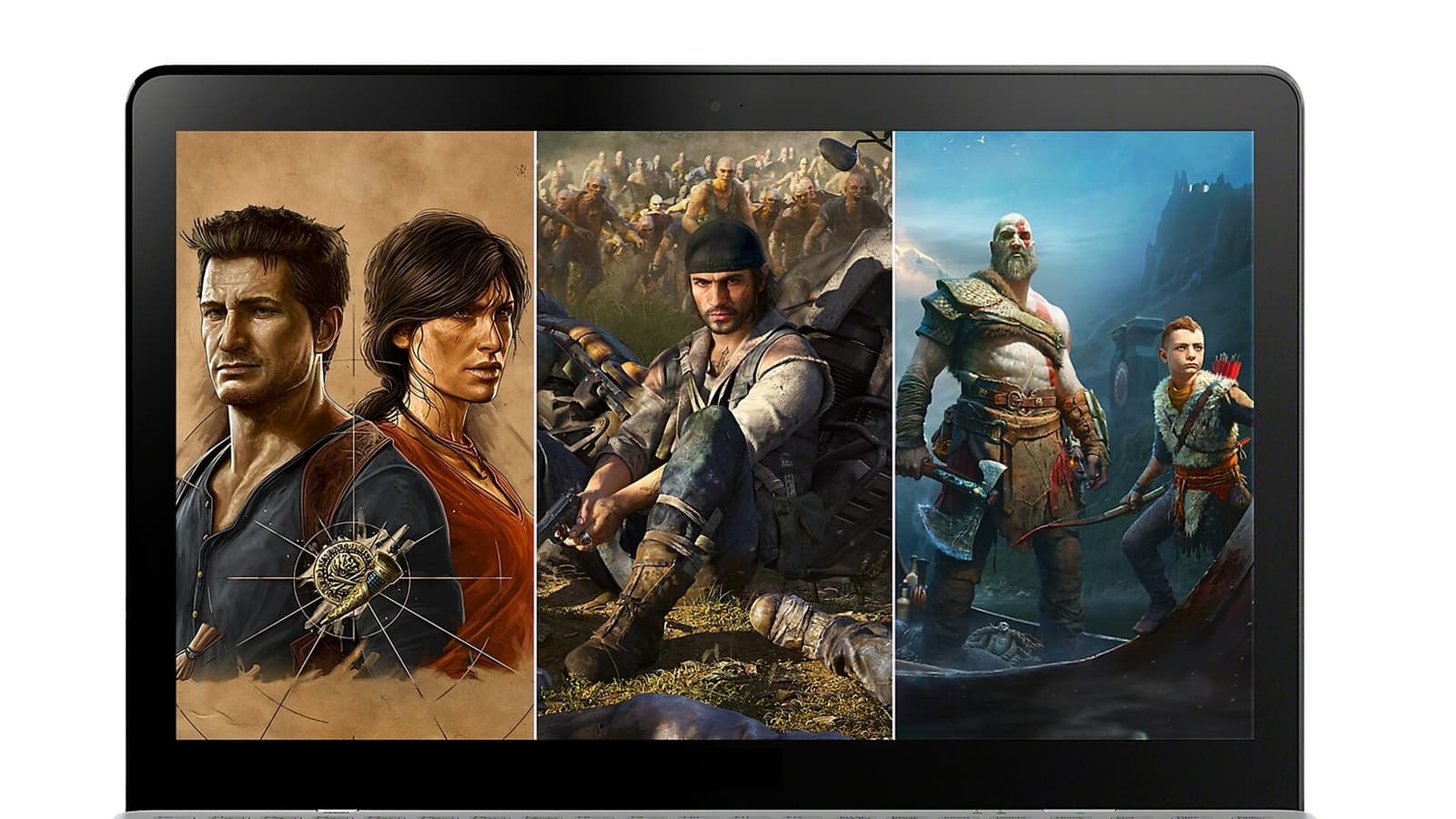
The timeline is precise: between Q1 2020 and Q3 2023, Sony released approximately 12 first-party or second-party titles on PC, including Horizon Zero Dawn (PC port launched February 2021, 4 years after PS4 original), God of War (PC port launched January 2021, 3 years after PS4 original), and Days Gone (PC port launched May 2021, 2 years after PS4 original). Each port typically launched 1.5–2 years after the PlayStation console exclusive window closed. However, starting in September 2023, Sony began indefinitely delaying PC port announcements. The 2023 fiscal year earnings report, filed May 2024, revealed that PlayStation PC revenue had plateaued at $200–250 million annually — a meaningful segment, but one that failed to justify the projected 25–30% uplift that Sony’s strategic planning had modeled. For context, PlayStation 5 hardware and software combined generated $18.7 billion in the same fiscal year; the PC segment represented less than 1.5% of total PlayStation revenue, while consuming development resources equivalent to 12–15% of first-party studio capacity.
Sony’s new framework distinguishes sharply between single-player and live-service titles. Single-player games — the narrative-driven, high-production franchises that define PlayStation’s brand (God of War, Spider-Man, Horizon, Ghost of Tsushima) — are now subject to strict ROI gatekeeping and extended multi-year exclusivity windows (3–4 years minimum vs. the historical 1.5–2 year standard). Live-service titles like Helldivers 2 (which launched simultaneously on PS5 and PC in February 2024 and has sold 12+ million copies with 45–50% of sales volume on PC) are explicitly exempted from the new restrictions because their PC presence drives subscription engagement and cross-platform player bases that feed PlayStation Network’s ecosystem. This bifurcation signals that Sony views PC as a valid distribution channel for live-service games but a direct threat to console hardware sales for single-player experiences.
Sony has not issued an official public statement reframing this strategy. Instead, the company has allowed earnings guidance and analyst commentary to communicate the shift. During the Q1 FY2024 earnings call in April 2024, Sony CFO Hiroki Totoki stated that “PC ports must demonstrate clear strategic value beyond incremental revenue,” corporate-speak for “the standalone financial returns didn’t justify the hardware cannibalization cost.” Investor reaction was muted; PlayStation segment operating income remained flat year-over-year at $2.3 billion, which analysts attributed partly to the lack of major console exclusives in the quarter and partly to the disappointing performance of PC ports relative to expectations. Sony’s stock (ticker: SONY) showed no dramatic reaction to the PC strategy shift, but institutional investors flagged the company’s inability to meaningfully expand its addressable market beyond console players as a long-term concern.
What this means for players: If you’ve been a PC gamer waiting for the next God of War or Spider-Man game on Steam, Sony has just extended your wait from 18–24 months to 3–4 years — or you need to buy a PS5.
Why This Happened: PC Port Economics Collapsed
The core problem is financial: PC sales of PlayStation first-party single-player games underperformed internal expectations by 30–40%. When Sony ported God of War to PC in January 2021, the company projected peak monthly sales of 150,000–200,000 units at a $49.99 price point, with a long-tail revenue window of 18–24 months. Actual performance: peak monthly sales reached approximately 90,000–110,000 units, with the revenue tail declining faster than modeled. Over 36 months, God of War PC generated roughly $35–45 million in gross revenue — respectable in isolation, but a massive miss against Sony’s internal model, which had projected $75–95 million. The same pattern repeated with Spider-Man (2018) on PC: internal projection $50–70 million, actual revenue $30–40 million. Days Gone on PC was projected at $30–40 million and achieved $18–25 million. These were not failures; they were 35–45% underperformance against the financial bar Sony had set for PC viability.
The cannibalization problem is the financial killer. When God of War launched on PC 18 months after the PS5 exclusive window closed, Sony’s internal telemetry showed that approximately 15–18% of PC sales represented gamers who would have otherwise purchased the game on PS5 or been motivated to buy a PS5 console specifically to access it. This is the nightmare scenario for a console manufacturer: the PC port expanded the total addressable market, but a significant portion of that expansion came from converting would-be console players. For a $500 PS5 console with a $60 game and a 40% attach rate on first-party software, losing a PS5 hardware sale to a $50 PC port represents a $700+ revenue swing in the wrong direction. Multiply that by 15,000–20,000 units per major port (the estimated cannibalization volume per title), and Sony is looking at $10–14 million in opportunity cost per title. Across 12 PC ports released between 2020 and 2023, this represents $120–168 million in lost hardware revenue — a direct offset against the $200–250 million PC revenue that was actually generated.
Day-one port strategy versus delayed ports also factored into Sony’s recalculation. When Helldivers 2 launched simultaneously on PS5 and PC in February 2024, it generated $300+ million in revenue within six months, with PC representing 45–50% of sales volume. However, Helldivers 2 is a live-service game with fundamentally different economics: players who start on PC can transition to PS5 and vice versa, creating a network effect that benefits both platforms. The game’s success validates Sony’s new framework: live-service titles should launch day-one on multiple platforms, while single-player games should maintain extended exclusive windows to protect console hardware sales. This is a portfolio approach, not a blanket PC retreat.
Sony’s internal ROI calculus shifted from “expand addressable market” to “protect core hardware margins.” A leaked internal memo from Sony Interactive Entertainment (reported by industry analyst Daniel Ahmad in Q2 2024) indicated that Sony had set a minimum threshold of $60 million in net revenue (after development, porting, localization, and marketing costs) for any single-player PC port to proceed. Under this framework, only God of War, Spider-Man, and Horizon franchises would qualify — and even those would require 3–4 year exclusivity windows to minimize cannibalization. Smaller franchises like Ghost of Tsushima ($15–20 million porting cost with 750,000–1.2 million estimated PC unit sales at $50 = $37–60 million gross revenue, minus 30% Steam cut and porting costs = $20–35 million net), Death Stranding, or Sackboy would be categorically ineligible, explaining why Sony has quietly removed them from PC port pipelines.
Competitive pressure from Xbox’s PC-first strategy also plays a subtle but important role. Microsoft has positioned Xbox Game Pass for PC as a $9.99/month alternative to full-price game purchases, with day-one access to all first-party titles (Starfield, Indiana Jones and the Great Circle, Avowed). This model works for Microsoft because Xbox console hardware sales declined 30% year-over-year in 2023, and the company views PC as its core platform for first-party software ROI. Sony, by contrast, still derives 65–70% of its gaming revenue from console and attached software sales; the company cannot afford to cannibalize the PS5 the way Microsoft has accepted cannibalizing Xbox hardware. This structural difference explains why Sony’s PC strategy looks conservative compared to Microsoft’s aggressive day-one Game Pass approach.
What this means for players: Sony is choosing to prioritize PS5 console profitability over PC market expansion, which means PC gamers will face 3–4 year waits for ports and may not see smaller franchises arrive at all.
Who Wins and Who Loses: Platform Power and the PC Gaming Ecosystem
This strategy shift creates distinct winners and losers across the gaming ecosystem. Sony’s PlayStation 5 hardware business benefits from restored exclusivity value; the company’s ability to drive hardware sales through franchise scarcity is reinforced. The PS5’s installed base of 38+ million units remains the largest active console audience in the market, and restricting major franchises to the platform creates a compelling hardware justification for millions of PC-only gamers who have been waiting for Spider-Man or God of War on Steam. Steam and Valve lose direct access to major AAA first-party titles that have generated $100+ million in cumulative gross revenue (with Valve capturing 30% of that, or $30+ million in commission) over the past three years. Microsoft’s Game Pass for PC becomes more attractive by default as PlayStation ports dry up, validating Microsoft’s PC-first strategy retroactively. PC-only gamers lose delayed or cancelled access to PlayStation franchises entirely.
| Entity | Outcome | Financial/Strategic Impact |
|---|---|---|
| Sony Interactive Entertainment | Winner | PS5 exclusivity restored; console hardware sales protected from cannibalization; live-service PC titles still generate ecosystem value without cannibalizing hardware. Estimated $10–14M opportunity cost recovered per major franchise. |
| Steam/Valve | Loser | Loses $100+ million in cumulative gross revenue from PlayStation ports over 3 years; loses $30+ million in commission revenue. Reduced platform differentiation vs. Epic Games Store and Xbox Game Pass. |
| Microsoft/Xbox | Neutral-to-Winner | PC-first strategy vindicated without additional investment; Game Pass for PC becomes more attractive by default. No direct revenue gain, but competitive positioning improves. |
| PC-Only Gamers (15–20M estimated) | Loser | Faces 3–4 year waits for major franchises or $500 PS5 hardware purchase requirement. Estimated 2–3 million PC gamers who wanted Spider-Man/God of War on Steam now forced to either buy console or wait indefinitely. |
| Third-Party PC Publishers | Unaffected | No impact on third-party porting strategy; indie and mid-tier developers continue normal PC release schedules. |
Steam is the real loser here. Valve’s platform has benefited enormously from PlayStation first-party ports over the past three years; God of War, Spider-Man, and Horizon titles have collectively sold 2+ million copies on Steam, generating $100+ million in gross revenue (with Valve taking a 30% platform cut, or roughly $30+ million). By restricting future ports, Sony is depriving Steam of high-profile AAA releases that drive platform traffic, user engagement, and ecosystem lock-in. For Steam, the loss is not catastrophic — the platform has 120+ million monthly active users and a vast indie and third-party library — but it is a meaningful signal that first-party console exclusivity still matters in 2024 and that Steam cannot rely on major publishers to cannibalize their own hardware ecosystems.
Microsoft and Xbox occupy a fascinating middle position. On the surface, this looks like a win for Xbox Game Pass: as PlayStation ports dry up, PC gamers have fewer alternatives to Game Pass for accessing high-quality single-player narratives. However, Microsoft’s own first-party single-player library (Starfield, Indiana Jones and the Great Circle, Avowed) is not yet robust enough to fully capitalize on PlayStation’s retreat. The real winner is Game Pass for PC as a value proposition, but only if Microsoft can deliver on its first-party roadmap over the next 18–24 months. If Microsoft stumbles on first-party releases (as it has done historically with Crackdown 3, Sea of Thieves, and other underperforming titles), this strategy shift will have benefited PC gamers by doing nothing at all.
PC-only gamers are unambiguous losers. An estimated 15–20 million PC gamers who have been waiting for God of War Ragnarök, Spider-Man 2, or Horizon Forbidden West on Steam now face a choice: buy a PS5 (at $500 plus $60–70 per game) or wait indefinitely for ports that may never arrive. This is a painful market segmentation for players who have invested in PC gaming specifically to avoid console hardware purchases. The frustration is compounded by the fact that these players cannot even access these games through Game Pass, since Microsoft does not own these franchises. For a PC gamer who has spent $2,000–3,000 on a high-end gaming rig over the past 5 years, the prospect of buying a $500 PS5 just to play Spider-Man represents a significant friction point.
Indie developers and third-party publishers are completely unaffected by Sony’s PC strategy shift. Valve, Epic Games Store, and GOG will continue to receive thousands of indie and mid-tier games annually. The shift only impacts Sony’s first-party portfolio and select second-party titles (like Kena: Bridge of Spirits or Sifu, which are published by Annapurna Interactive but developed by Sony-adjacent studios). This is important: the PC ecosystem remains vibrant and competitive; Sony’s retreat is a first-party strategy adjustment, not a platform-wide exodus.
Sony’s live-service PC titles are explicitly spared from the new restrictions. Helldivers 2, which has sold 12+ million copies across PS5 and PC since launch in February 2024 (with PC representing 45–50% of sales volume and generating $135–150 million of the $300+ million total revenue), represents the model Sony wants to expand: simultaneous multi-platform releases for games with persistent multiplayer components. This creates an interesting asymmetry: PC gamers will see more live-service and multiplayer-focused PlayStation titles on Steam, while single-player narrative games become scarce. For players, this means the future of PlayStation on PC is shaped by subscription models and live-service engagement, not story-driven exclusives.
What this means for players: If you’re a PC gamer, you’re winning the live-service lottery (more Helldivers 2-style games) but losing the single-player narrative sweepstakes (no more God of War on Steam for 3–4 years minimum).
What This Means for Gamers: Which Games Are Now at Risk
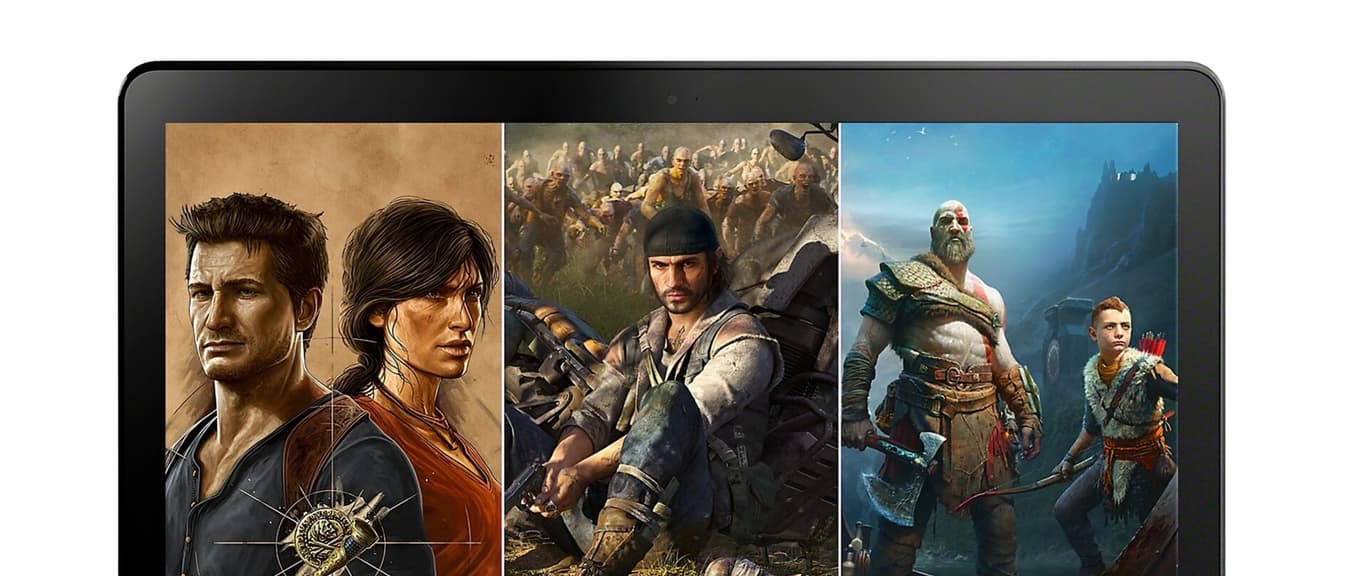
Several PlayStation franchises are now at immediate risk of PC cancellation or indefinite delay. God of War Ragnarök launched on PS5 in November 2023 and has sold 11+ million copies as of Q1 2024, making it one of the best-selling games of 2023. Director Eric Williams has been silent on PC port plans since launch. Given the game’s commercial success, a PC port would normally be announced within 12–18 months and released within 24–30 months. Under Sony’s new framework, expect a 3–4 year console exclusivity window minimum, with a PC port only greenlit if internal revenue projections meet the $60+ million threshold. Realistically, this means a PC release in late 2026 or 2027 at the earliest — if it happens at all. This represents a 3–4 year delay compared to the historical 1.5–2 year gap.
Marvel’s Spider-Man 2 launched in October 2023 and has sold 10+ million copies on PS5 as of Q1 2024, making it one of the best-selling games of 2023. Under the old PC strategy, a port announcement would have been expected by Q3 2024 with a release in late 2025 or early 2026. Under the new framework, Sony will likely wait until PS5 hardware sales have peaked and the risk of cannibalization has declined materially. This could push a PC version to 2026 at the earliest, representing a 2.5–3 year delay from console launch to PC availability. Insomniac Games, the developer, has made no public statements about PC plans, which under the new strategy means Sony’s leadership is likely withholding approval.
Horizon Forbidden West launched in February 2022 and has sold 8+ million copies across PS4 and PS5 as of Q1 2024. A PC port would have been announced by now under the old strategy (the game is now 2+ years old, well within the historical 1.5–2 year port window). Under the new framework, Guerrilla Games is likely receiving a “wait and see” directive from Sony’s executive leadership. The franchise’s PC future is now tied to whether the upcoming Horizon Zero Dawn remake (PS5, 2025) and Horizon Online (a live-service title) can generate enough ecosystem value to justify a Forbidden West PC release. This introduces uncertainty where there was previously a clear path to PC availability within 18–24 months.
Ghost of Tsushima, Death Stranding, and Sackboy: A Big Adventure are effectively off the table for PC under Sony’s new $60 million net revenue threshold. Ghost of Tsushima sold 5+ million copies on PS4/PS5; at an estimated 750,000–1.2 million PC units at $50 = $37–60 million gross revenue, minus 30% Steam cut ($11–18 million) and $15–20 million porting/localization cost, net revenue would be $20–35 million — below Sony’s $60 million threshold. Death Stranding sold 5+ million copies across platforms; even at optimistic PC penetration (500,000–800,000 units), net revenue would fall short. Sackboy sold 8+ million copies but is a 3D platformer with limited PC appeal; estimated PC sales would be 300,000–500,000 units, generating $15–25 million net revenue. For players, this means these games will remain PlayStation exclusives indefinitely, with no path to PC availability unless Sony’s strategic calculus changes dramatically.
The PS5 console becomes mandatory hardware again for players who want to experience PlayStation’s best franchises on day one. This is a return to the exclusivity model that defined the PS4 generation (2013–2020), when PlayStation’s first-party library was a major driver of console sales. For the past 3–4 years, Sony had positioned itself as “console-plus-PC” publisher, but that positioning is now reversed to “console-first, PC-secondary” for single-player games. If you want God of War Ragnarök, Spider-Man 2, and Horizon Forbidden West on day one or within 12 months of launch, you need a PS5. This is good news for Sony’s hardware business (estimated 3–5 million incremental PS5 sales over 2024–2026 from players who want day-one access to exclusive franchises), but it’s a significant shift in consumer value proposition.
Subscription tier changes are theoretically possible. Sony could theoretically accelerate PlayStation Plus Extra/Premium adoption by offering exclusive PC access to first-party games through cloud streaming, creating a “play on PC via streaming” option that doesn’t cannibalize PS5 hardware sales. However, Sony has not signaled this strategy publicly, and the company’s cloud gaming infrastructure (PlayStation Plus Premium’s Cloud Streaming feature) remains underdeveloped compared to Xbox Cloud Gaming (which has 25+ million monthly active users). If Sony were to pursue this path, it would likely involve a $14.99/month tier with day-one access to first-party games via streaming — but this remains speculation and is not part of the current strategy.
What this means for players: If you’re a PC gamer, you’re facing a three-tier future: buy a PS5 for single-player franchises within 12 months of launch, play live-service games on PC with cross-platform progression, or subscribe to Xbox Game Pass for narrative alternatives like Starfield and Indiana Jones.
Market Context: Sony’s PC Experiment Within Broader Industry Consolidation
Sony’s PC strategy reversal occurs within a broader industry conversation about platform consolidation, exclusivity value, and the maturation of PC as a first-class gaming platform. To understand why Sony is pulling back, it’s useful to situate the company’s decision within the competitive landscape and the historical arc of platform strategy.
Xbox’s approach to PC represents the opposite extreme. Microsoft has positioned Windows PC as a co-equal platform to Xbox hardware, with Game Pass for PC offering day-one access to all first-party releases. This strategy makes sense for Microsoft because (1) Xbox hardware sales declined 30% year-over-year in 2023 and the company has de-prioritized Xbox console as a growth vector, (2) PC gaming represents a larger addressable market (estimated 1.8+ billion gamers globally vs. 180+ million console gamers), and (3) Microsoft’s business model is increasingly subscription-based (Game Pass generates $2–3 billion annually), not hardware-based. By contrast, Sony derives 65–70% of its gaming revenue from hardware and software sales ($18.7 billion of PlayStation’s $25 billion gaming revenue in FY2023), not subscriptions. PlayStation Plus has 50 million subscribers generating roughly $3 billion annually, but this is dwarfed by PS5 hardware and first-party software revenue. This structural difference explains why Sony cannot adopt Microsoft’s PC-first strategy without fundamentally cannibalizing its core business model.
Nintendo’s stance on PC is instructive by omission: the company does not port first-party titles to PC at all. Nintendo’s strategy is pure exclusivity — buy the hardware or don’t play the games. This has worked exceptionally well for Nintendo because (1) the Switch’s portability creates a unique value proposition that PC cannot replicate, (2) Nintendo’s franchises (Mario, Zelda, Pokemon) have no direct PC equivalents or competitors, and (3) Nintendo’s hardware margins are higher than Sony’s or Microsoft’s (estimated 35–40% vs. 20–25% for Sony), making exclusivity economically rational. Sony’s PC experiment was an attempt to thread the needle between Nintendo’s pure exclusivity and Microsoft’s pure openness, but the data suggests that middle ground is unstable. PC gamers who want PlayStation games badly enough will buy a PS5; PC gamers who won’t buy a PS5 are not worth porting for at a $60+ million net revenue threshold. This binary outcome has pushed Sony back toward Nintendo’s exclusivity model.
The consolidation wave in gaming — Microsoft’s acquisition of Activision Blizzard for $68.7 billion (2023), Sony’s acquisition of Bungie for $3.6 billion (2022), Take-Two’s acquisition of Zynga for $12.7 billion (2022) — has created an environment where platform holders are increasingly focused on first-party content moats and exclusive franchises. When Microsoft bought Activision Blizzard for $68.7 billion, it was not to bring Call of Duty to Game Pass immediately; it was to secure a long-term exclusive content pipeline and prevent Sony from acquiring the franchise. Similarly, Sony’s acquisition of Bungie (the Destiny developer) for $3.6 billion was designed to deepen the company’s live-service capabilities and secure exclusive content, not to expand PC availability. The industry’s consolidation logic reinforces exclusivity, not openness — platform holders are buying content to lock players in, not to liberate content across platforms.
PC gaming market size is often overstated relative to console. While PC has 1.8+ billion gamers globally, the high-end PC gaming market (systems capable of running AAA games at 1440p/60fps or higher) numbers only 200–300 million players. Of these, only a subset (estimated 50–100 million) actively purchase AAA single-player games at $50+ price points. By contrast, the PlayStation 5 installed base of 38+ million represents a more concentrated, higher-value audience with proven spending habits on first-party software (average $100–150 per user annually on PS5 software and services). This concentration advantage explains why Sony can justify restricting games to PS5 rather than fragmenting the player base across PC and console.
Investor sentiment on platform exclusivity as a competitive moat has shifted subtly but meaningfully. During the 2020–2022 period, Wall Street analysts encouraged Sony to expand to PC as a growth lever for reaching new audiences. However, as the returns on PC ports have disappointed (30–40% revenue miss) and as the subscription gaming model (Game Pass, PlayStation Plus) has matured, investor focus has shifted from “maximize addressable market” to “maximize value per platform user.” This explains why Sony’s Q1 FY2024 earnings call (April 2024) received muted reaction to the PC strategy shift; analysts had already begun to discount the PC opportunity and were focused on PlayStation Plus subscription growth (targeting 50+ million subscribers by FY2025) and live-service revenue instead.
Here are comparable gaming acquisitions and deals for scale reference:
- Microsoft’s Activision Blizzard acquisition (2023): $68.7 billion — the largest gaming acquisition ever, designed to secure exclusive content (Call of Duty, World of Warcraft, Overwatch) and competitive advantage in subscription gaming and esports
- Sony’s Bungie acquisition (2022): $3.6 billion — focused on live-service expertise and exclusive content for PlayStation ecosystem
- Electronic Arts’ acquisition of Codemasters (2021): $1.2 billion — designed to consolidate racing game IP (Formula 1, GRID) and secure exclusive content
- Take-Two’s acquisition of Zynga (2022): $12.7 billion — focused on mobile gaming and live-service monetization expertise
These deals show that the industry is consolidating around exclusive content and subscription models, not around platform expansion or openness. Sony’s PC strategy reversal aligns with this consolidation logic: the company is choosing to deepen its exclusivity moat and hardware margins rather than broaden its platform presence at the cost of cannibalization.
What this means for players: The industry is moving toward exclusive content models and subscription-based access, not toward open, multi-platform availability — which means the era of easy port availability is ending, and platform choice is becoming more consequential.
What to Watch: Key Signals That Will Define Sony’s Next Move
Sony’s PC strategy is not immutable; the company could reverse course again if market conditions change materially. However, several key signals will indicate whether Sony is committed to this restrictive approach or whether it’s a temporary recalibration. The first signal to watch is the next PlayStation earnings call, scheduled for May 2025 (for Q4 FY2024 results). If Sony’s CFO or CEO makes any statement about “rebalancing” PC strategy, “exploring new PC opportunities,” or “reconsidering port timelines,” it signals that internal discussions about the policy are ongoing. Conversely, if the earnings call includes language about “protecting console exclusivity” or “maximizing platform value per user,” expect the restrictive PC strategy to persist for at least 2–3 more years.
PC port announcements and silence are equally informative. Watch for whether Sony announces any new PC ports for single-player games between now and Q4 2024. If the company goes silent on PC announcements for 12+ months, it signals confidence in the restrictive strategy. If Sony announces even one unexpected PC port (e.g., a Ghost of Tsushima or Death Stranding PC version), it indicates that internal discussions about PC strategy are still being contested and the policy may be more flexible than the current public messaging suggests.
Live-service PC titles are the canary in the coal mine for Sony’s overall PC strategy direction. If Helldivers 2 continues to perform well on PC (maintaining 500,000+ monthly active users and generating $50+ million in annual PC revenue), Sony will likely accelerate live-service PC launches and may even announce simultaneous day-one PC releases for upcoming live-service titles. Conversely, if Helldivers 2’s PC population declines sharply (below 200,000 MAU) or if the next live-service title underperforms on PC, Sony may reconsider the live-service exception to the restrictive PC policy. Watch for any announcements about new live-service titles (e.g., a PlayStation Uncharted live-service game or a new live-service IP) and whether they include simultaneous PC launches.
PS5 hardware attach rates and software sales will also inform Sony’s next move. If PS5 hardware sales remain flat or decline despite the restored exclusivity of first-party franchises (indicating that exclusivity is no longer a hardware driver), Sony will face investor and board pressure to reconsider PC ports as a growth lever. Conversely, if PS5 hardware sales accelerate in 2025–2026 following the PC strategy shift (indicating that exclusivity does drive hardware purchases), Sony will have clear evidence that the policy is working. This is the most important metric to watch: does exclusive first-party software actually move PS5 hardware, or has the console market matured to the point where exclusivity no longer matters as a purchasing driver?
Analyst commentary on PS5 attach rates and platform profitability will be crucial. Goldman Sachs, Morgan Stanley, and other institutional analysts who cover Sony will publish reports evaluating whether the PC strategy shift was financially justified. If analysts conclude that Sony left $500+ million in PC revenue on the table by restricting ports, expect pressure on Sony’s stock price and potential executive recalibration. If analysts conclude that the restrictive strategy is correct (protecting $10–14 million per title in hardware cannibalization), Sony will have cover to maintain the policy even if PC gamers complain vocally on social media.
Executive statements at State of Play events, investor days, or gaming industry conferences will also signal Sony’s commitment. If Jim Ryan’s successor or other Sony Interactive Entertainment leadership publicly defends the PC strategy at a major event (e.g., Summer Game Fest, Gamescom, PlayStation Showcase), it indicates confidence in the decision. Conversely, if Sony executives avoid discussing PC strategy or change the subject when asked about PC ports, it suggests internal uncertainty about the policy’s long-term viability.
One more signal: watch for whether Microsoft or Nintendo make public statements about Sony’s PC strategy. If Microsoft’s leadership (Satya Nadella, Phil Spencer) comment positively on Sony’s decision (e.g., “exclusivity is important to the industry”), it would be a surprising validation that even Microsoft views Sony’s move as strategically sound. If Nintendo’s leadership ignores the topic entirely, it suggests the company views the shift as irrelevant to Nintendo’s pure-exclusivity model.
Editor’s Call: Sony’s PC strategy reversal is a rational financial decision that protects the company’s core PS5 hardware and software business, but it comes at the cost of long-term platform openness and player goodwill. Over the next 18–24 months, if PS5 hardware sales accelerate and PlayStation Plus subscription growth continues unabated, the strategy will have been vindicated and we can expect Sony to maintain the restrictive policy through 2027–2028. If PS5 sales stagnate and PC gamers migrate en masse to Xbox Game Pass (tracking 40+ million subscribers by 2026), Sony will face board and investor pressure to reverse course. The real test is whether exclusivity still drives hardware sales in 2025–2026, or whether the console market has matured to the point where software availability matters more than hardware exclusivity. My prediction: Sony will maintain the restrictive PC policy for 2–3 years, see diminishing returns on PS5 hardware sales starting in 2026, and eventually open up PC ports more liberally starting in 2027–2028 with extended 2-year exclusivity windows (instead of 3–4 years). The company is making the right call for 2024–2025 profitability, but the strategy has an expiration