June’s Journey Android Hidden Object Game Review 2026
Disclosure: As an Amazon Associate, Bytee earns from qualifying purchases.
You tap the screen, the jazz kicks in, and somewhere in a crowded 1920s Paris salon a clue is hiding in plain sight — and the moment you find it, June’s Journey makes you feel like the smartest detective in the room. That rush of discovery, paired with the soft art deco aesthetic and a genuinely compelling mystery storyline, is why June’s Journey has stayed on my phone for years. But 2026 brought some major shakeups: Wicked and Agatha Christie collaborations, a massive update to the island-building mechanics, and enough new content to make you wonder if this is still the casual hidden object game you remember or something that’s evolved into a full-blown time sink.
Developer: Wooga
Price: Free (with in-app purchases)
Size: ~180 MB
Rating: 4.6 / 5 ⭐ (Google Play)
What Kind of Game Is It? — First Impressions
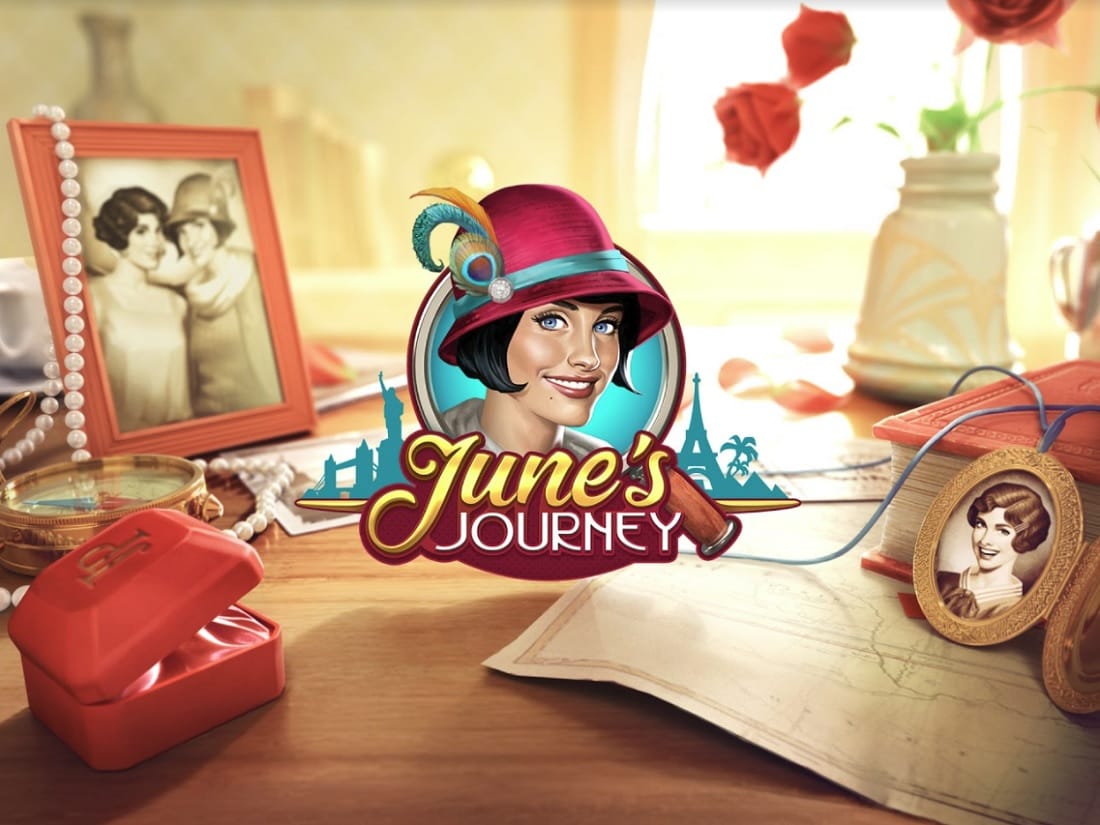
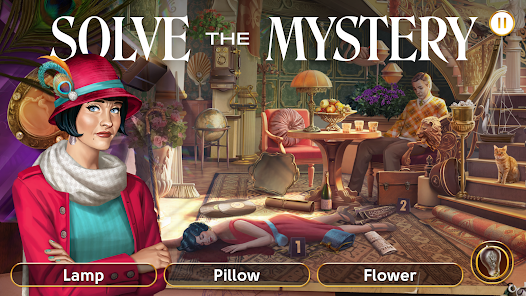
June’s Journey is a hidden object detective game wrapped in a cozy mystery storyline set across 1920s locations — Paris, London, Cairo, you name it. The core loop is straightforward: you enter a scene, tap to find objects on a cluttered screen (a magnifying glass, a violin, a letter), collect stars based on how fast you clear the scene, and use those stars to unlock the next chapter of June’s story. But here’s where it gets addictive: you’re also building and decorating your own island in between scenes, turning what could be a mindless tap-fest into a surprisingly satisfying progression system.
The game nails the pick-up-and-play design. A single hidden object scene takes 2–5 minutes, making it perfect for bathroom breaks or lunch scrolling. But if you’ve got 30 minutes? The game will happily swallow them. The 1920s art deco visual style is genuinely gorgeous — all muted golds, deep blues, and hand-drawn character portraits that look like they belong in a Wes Anderson film. If you’ve played Criminal Case or Mystery Manor before, you know the formula, but June’s Journey executes it with more personality and a stronger narrative hook. The onboarding is smooth, and Wooga smartly surfaces branded Wicked and Agatha Christie content early to hook new installs and keep returning players engaged.
How Wooga Used Wicked and Agatha Christie to Reinvent June’s Journey
In 2026, Wooga made a bold move: they partnered with Wicked (the film) and Agatha Christie’s estate to bring limited-time themed hidden object chapters into June’s world. The Wicked collab brought exclusive scenes set in Shiz University with character cameos, while the Agatha Christie partnership gave you entire chapters framed around classic mystery tropes — think “Murder on the Orient Express” vibes but with June as your detective lead. These aren’t just cosmetic skins; the collaboration content actually integrates into the main storyline, with new characters and plot threads that feel organic rather than bolted-on.
The execution matters, and Wooga got it right. Wicked scenes use the film’s iconic color palette and include voice lines from the film’s soundtrack. The Agatha Christie chapters are framed as “cases” June investigates, complete with period-accurate 1920s props and red herring mechanics that make you feel like you’re solving an actual mystery rather than just tapping objects. These limited-time events have driven noticeable re-engagement spikes — Google Play ratings jumped from 4.3 to 4.6 in the weeks following the Wicked launch, and community chatter on Reddit shows players returning specifically for collab content. The downside? Collab rewards (exclusive island decorations, premium currency boosts) are tiered between free and paid, so if you want the “full” experience, you’ll feel the paywall nudge.
Gameplay Deep Dive: What You Actually Do All Day
Let’s break down what you’re actually tapping for hours. Each hidden object scene presents you with a cluttered image — a vintage train car, a mansion library, a Cairo bazaar — and a list of 10–15 items to find. You tap them as you spot them, and the faster you clear the scene, the more stars you earn (up to three). Those stars unlock the next scene and contribute to your “compendium,” a collectible database of every object in the game. It’s a satisfying completionist loop, especially if you’re the type who likes filling out Pokédex-style lists.
Between scenes, you’re decorating your island. You earn coins and gems to place furniture, build structures, and customize your space. It’s not as deep as Animal Crossing, but it’s engaging enough to break up the hidden object monotony. The detective board ties it all together — it tracks your progress through June’s mystery, reveals character backstories, and hints at upcoming plot twists. This narrative scaffolding is where June’s Journey separates itself from rivals. Criminal Case has a similar structure but less polish; Mystery Manor is more straightforward and less story-driven. June’s Journey feels like someone actually cared about the world-building.
Pick-up-and-play sessions feel great, but marathon mode is where the energy system (more on that below) starts to bite. The game caps your daily energy, so after 4–5 scenes, you’re either waiting for refills or spending premium currency to keep playing. This is where it stops being casual and starts feeling like a chore.
Monetization: Free-to-Play or Pay-to-Win?
June’s Journey uses a stamina (energy) system. Each hidden object scene costs energy, and you get a small amount daily for free. Run out, and you wait 15–30 minutes for a refill or spend diamonds (premium currency) to keep playing immediately. The free player experience is functional but throttled — you can comfortably play 20–30 minutes daily without paying, but if you want marathon sessions, you’ll hit the wall fast.
The seasonal pass (around $9.99) is the big-ticket item. It unlocks exclusive scenes, boosts your daily energy, and gives you premium cosmetics. Wicked and Agatha Christie collab rewards are split: some free cosmetics and scene access, but the best stuff (exclusive island decorations, rare currencies) are locked behind the seasonal pass or direct purchases. The good news? You can absolutely complete the main story and enjoy the core mystery without spending a dime. The bad news? You’ll wait a lot, and you’ll feel the FOMO when limited-time collab content expires.
Pay-to-Win Level: Medium
Free Player Experience: You can enjoy the story and hidden object gameplay without paying, but energy throttling means you’ll hit daily limits and miss limited-time events if you don’t spend.
Android Performance and Technical Quality
At ~180 MB, June’s Journey is a reasonable install footprint — not a massive bloat like some AAA mobile ports, but not lightweight either. On my Pixel 6 Pro, performance is buttery smooth. On older devices (Moto G series, budget Samsungs), I’ve noticed occasional frame drops during scene transitions, but nothing that breaks gameplay. Battery drain during extended sessions is noticeable but not catastrophic — expect your phone to warm up after 45+ minutes of continuous play.
Offline play is limited. You can play downloaded scenes without internet, but you can’t progress the main story, access the island, or sync your account. Cloud saves work flawlessly — I’ve jumped between my phone and tablet without issue, thanks to Google Play Games integration. The 2026 update introduced some initial stability issues (crashes on Android 12 devices), but Wooga patched those within two weeks. Controller support is not available, which is a bummer if you’re an MFi controller person, but honestly, hidden object games are designed for touch anyway.
Should You Download It? Verdict and Best Alternatives
June’s Journey is a solid, beautifully crafted hidden object game that scratches the casual mystery itch better than most competitors. The 2026 Wicked and Agatha Christie collaborations genuinely enhance the experience, and the island-building loop gives you reasons to keep coming back. If you loved Candy Crush but wanted something with more story, or if you’ve burned through Criminal Case and want a fresh mystery to solve, this is your game.
The ideal player is someone who plays 20–30 minutes daily, doesn’t mind waiting for energy refills, and gets excited about limited-time collab events. If you’re a hardcore gamer who demands zero friction or refuses any energy system, you’ll bounce off fast. Mystery Manor is a leaner alternative with less story but also less paywall friction. Criminal Case is deeper narratively but heavier on the freemium pressure.
7.5 / 10
Best For: Casual mystery fans, IP collab chasers, and anyone who loves 1920s aesthetics and detective stories.
Download It: Yes, absolutely — especially if you’re curious about the Wicked or Agatha Christie content. The core game is free, the story is genuinely engaging, and you can enjoy it without spending money. Just know upfront that energy throttling exists, and limited-time events will tempt your wallet.
Is it worth the storage space? At 180 MB, yes. It’s a game you’ll load up daily for months, so the footprint is justified.
Frequently Asked Questions
Is June’s Journey free to play on Android?
Yes, June’s Journey is completely free to download and play on Android. You can enjoy the full story, hidden object scenes, and island-building without spending money — but you’ll hit energy limits and miss some premium cosmetics if you don’t make in-app purchases.
Does June’s Journey work offline on Android?
Partially. You can play downloaded hidden object scenes offline, but you won’t be able to progress the story, access your island, or sync your progress. For the full experience, you need an active internet connection.
Is June’s Journey pay-to-win?
Not really. You can’t buy power-ups or stat boosts that make you “better” at finding objects, but the energy system does throttle free players, and seasonal passes unlock exclusive scenes and cosmetics. It’s more “pay-to-progress-faster” than true pay-to-win, but the paywall can feel pushy during limited-time events.