Meta Extends Commitment to XR Development in Unity
Disclosure: As an Amazon Associate, Bytee earns from qualifying purchases.
What’s up, VR fam! If you’ve been hanging around the virtual block lately, you know the struggle is real when it comes to VR game performance. We’ve all been there: you’re deep in a sweaty, high-stakes firefight, you go to reload your weapon, and suddenly the framerate tanks harder than a noob in a ranked lobby. Jank is the enemy of immersion, and fixing that jank starts at the very foundation of game creation. That is exactly why the recent news out of Silicon Valley is a massive W for all of us.
When Meta extends commitment to making XR development a first-class citizen in the Unity game engine, it might sound like a bunch of boring corporate tech jargon, but trust me—it translates directly into more banger games, faster updates, and buttery-smooth gameplay on your Quest 3.
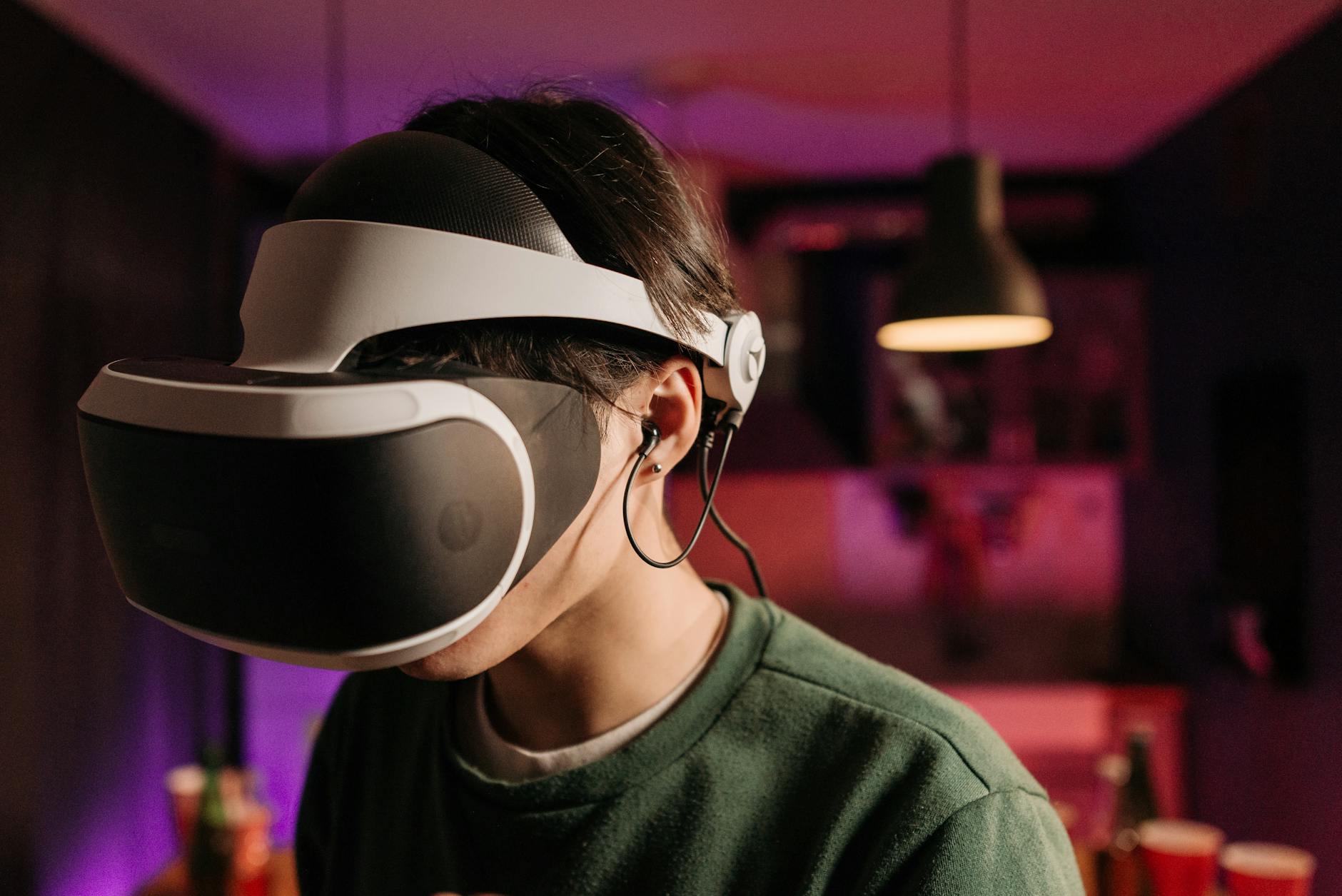
For years, VR development in massive engines like Unity has felt a bit like a bolted-on afterthought. Developers had to jump through endless hoops to get basic hand-tracking, foveated rendering, and spatial audio to play nice without breaking their game code. But now, Meta is doubling down. By making XR a “first-class citizen,” Unity is treating virtual and mixed reality as core components of the engine itself. No more duct-tape solutions.
No more fighting the software just to get a headset to recognize your controllers properly. This deeper integration means devs can spend less time fixing broken code and more time building massive, immersive worlds for us to get lost in.
Why “First-Class Citizen” Status is a Game Changer for Quest Gamers
Let’s break down what this actually means for you when you strap on your HMD. Unity powers a massive chunk of the VR games you play every single day. If the engine itself is optimized natively for Meta’s XR stack, games will simply run better. We are talking about highly optimized draw calls, better battery life on standalone headsets, and native support for the insane mixed reality passthrough on the Quest 3.
When Meta extends commitment to this level of deep engine integration, they are essentially handing indie developers the keys to a Ferrari. Smaller studios won’t have to build custom tech from scratch just to make a game run at a stable 90hz. The tools will just work. And in an industry where indie devs are the lifeblood of our gaming libraries, giving them better, more intuitive tools is the ultimate buff.

Industry Ripples: Layoffs, Shut Downs, and the Need for Better Tools
Let’s be real for a second—the VR industry is tough right now. Building games for a niche, hardware-heavy market is expensive, and when development cycles drag on because of clunky software, studios bleed money. We just saw a heartbreaking reminder of this when the beloved Synth Riders studio confirmed major layoffs affecting 50 percent of staff. The Synth Riders developer confirmed “major layoffs” in December and January, which was a massive gut punch to the rhythm game community.
These devs created one of the most cracked rhythm games in VR history, yet they still couldn’t escape the harsh economic realities of XR development.
And they aren’t the only ones feeling the squeeze. It was recently announced that Skyworld: Kingdom Brawl to shut down in July, pulling the plug on its servers for good. It sucks to see our favorite multiplayer spaces go dark. This is exactly why better, more integrated dev tools are critical. If Unity and Meta can make the development pipeline faster and cheaper, studios can keep their overhead low, avoid these devastating layoffs, and keep the servers online for the games we love.
The Upside: Look at What’s Dropping Soon
Despite the studio hurdles, the pipeline of upcoming VR games is looking absolutely stacked, and these are the exact types of titles that will benefit heavily from a streamlined Unity engine. Case in point: Project Hail Mary: Journey Among The Stars launching later this year. If you’ve read the Andy Weir novel, you know how mind-bending this sci-fi epic is.
Translating that deep-space isolation and complex puzzle-solving into VR requires a rock-solid engine. We are talking zero-gravity physics, massive planetary assets, and complex interactive ship controls.
Then we have the absolute fever dream that is Tammuz: Blood And Sand. The devs are calling it a Rubik’s Cube on steroids, and from what we’ve seen, that description is spot on. It is a hyper-complex, spatial puzzle game that will melt your brain in the best way possible. Games that rely on insane physics interactions need the engine to be flawless, otherwise, your puzzle pieces start clipping through the floor.
For the horror junkies, we finally have our hands on the Star Trek: Infection review: survival horror at the final frontier is exactly what the VR doctor ordered. Creeping through the dark, abandoned corridors of a starship while fighting off a terrifying biological threat is pure nightmare fuel, but the lighting and atmosphere are top-tier. And if you prefer your mysteries a little more grounded, the Riddlewood Manor Early Access out now on Quest is delivering some seriously spooky escape-room vibes that are perfect for a late-night gaming session.
Cross-Platform Chaos: PCVR, Vision Pro, and PSVR2
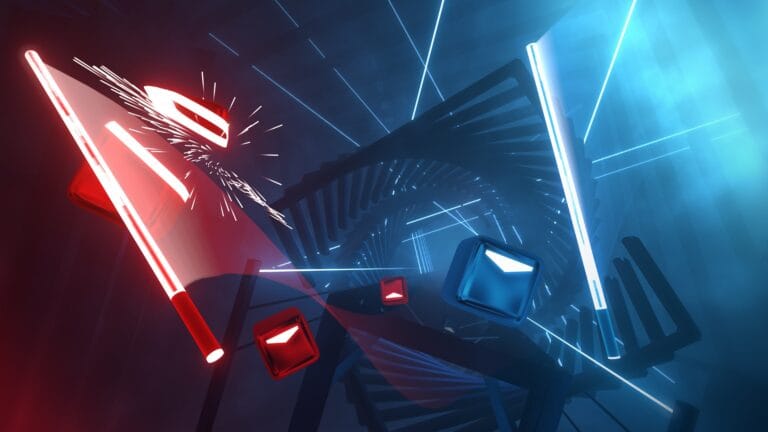
While Meta is tightening its grip on standalone VR, the rest of the ecosystem is still wild. Cross-platform development is a headache, but a unified engine approach helps ease the pain. Take Beat Saber, for example. The block-slashing juggernaut shows zero signs of slowing down, with Beat Saber once again the most downloaded PlayStation VR2 game in March.
The fact that a game can dominate Quest, PCVR, and PSVR2 simultaneously is a testament to strong foundational coding.
Over in the PCVR space, No Man’s Sky channels Pokémon in its latest update, allowing players to hunt, tame, and collect alien creatures in glorious virtual reality. Hello Games continues to drop massive, free updates, proving that VR integration can absolutely transform a flat-screen game into a masterpiece.
But not every hardware launch is a home run for gamers right out of the gate. Apple heads got a bit of a tease recently when Valve releases Steam Link Beta for Vision Pro, but VR games aren’t supported yet. Yeah, you read that right. You can stream your flat PC games to your $3,500 headset, but if you want to play Half-Life: Alyx, you are out of luck.
This perfectly illustrates the problem with fragmented XR standards. When an ecosystem doesn’t have native, first-class support for standard VR inputs, translating those controls is a massive headache. It just highlights why Meta’s push to standardize XR inside Unity is so important for the future of the medium.
Subscription Sweeteners and Hardware Buffs
Meta isn’t just focusing on the software engines; they are aggressively expanding the value of the Quest ecosystem. If you are a subscriber, you’ll be hyped to know that Breachers & Vacation Simulator are now in Quest’s Horizon+ games catalog. Breachers is arguably the best tactical VR shooter on the market right now—basically Rainbow Six Siege in VR—and getting it “free” with your sub is an insane value.
We are also seeing some incredible cross-buys and freebies dropping. In a super rare move, The 7th Guest VR owners will get the flat screen remake for free. Usually, it’s the other way around, so massive props to the devs for rewarding the VR community. On the sports front, Golf+ expands its catalog of original courses with new Dynasty course, keeping the virtual links fresh for the hardcore golf sweats.
And let’s not ignore the mixed reality hardware creeping into our daily lives. The Ray-Ban Meta glasses getting nutrition tracking, WhatsApp summaries, display recording & more proves that Meta is thinking way beyond just gaming headsets. They are building a unified ecosystem where AR, MR, and VR all talk to each other. When Meta extends commitment to Unity, you better believe they are thinking about how to build lightweight apps for these smart glasses too.
Pros and Cons: The Unity x Meta Romance
Nothing in the gaming industry is perfect, and this deepened partnership between a massive tech conglomerate and a massive engine provider has its own set of buffs and nerfs.
The Pros:
- Less Jank, More Polish: Native XR integration means fewer dropped frames and smoother performance on Quest hardware.
- Faster Game Releases: Devs don’t have to reinvent the wheel for basic VR mechanics, cutting down development time significantly.
- Better Battery Life: Highly optimized engine code means your headset doesn’t have to work as hard, saving your battery during long sessions.
- Survival of Indie Studios: Easier tools mean lower costs, which might help prevent the devastating layoffs we’ve seen recently.
The Cons:
- The Unity Trust Issue: Let’s not forget Unity’s massive pricing model controversy from last year. Many devs are still wary of locking themselves into the Unity ecosystem.
- Meta’s Monopoly: As Meta tightly integrates with Unity, there is a risk that they could dictate XR standards that favor Quest hardware while leaving PCVR or PSVR2 in the dust.
- Engine Homogenization: If everyone uses the exact same out-of-the-box XR tools, we might see a wave of games that all feel identical in terms of physics and interaction.
The Final Verdict
At the end of the day, gamers just want to put on a headset and be transported to another world without fighting the software. When Meta extends commitment to making XR development a first-class citizen in Unity, they are taking a massive step toward eliminating the friction that holds VR back. Yes, the corporate grip of Meta and Unity tightening is something to keep an eye on, but for the boots-on-the-ground gamer? This is a massive win. It means the upcoming bangers like Project Hail Mary and Tammuz: Blood And Sand are going to run like an absolute dream. It means indie devs can focus on creativity instead of debugging. And most importantly, it means the future of VR gaming is looking brighter, smoother, and vastly more immersive.
Frequently Asked Questions (FAQ)
What does it mean when Meta extends commitment to Unity XR?
It means Meta is working directly with Unity to ensure that virtual reality and mixed reality development tools are built into the core of the engine, rather than acting as optional, clunky add-ons. This allows developers to create better-performing games with less effort.
Will this make my current Quest 3 games look better?
Not immediately for older games, unless the developers release a specific optimization patch. However, any new games built with these updated Unity tools will likely feature better framerates, improved graphical stability, and faster loading times on your Quest 3.
Why are VR studios like the Synth Riders devs experiencing major layoffs?
The VR gaming market is still relatively small compared to traditional console or PC gaming. High development costs combined with a smaller player base can lead to financial struggles for indie studios, which is why making development tools cheaper and easier to use is so critical right now.
Can I play VR games on the Vision Pro using the new Steam Link Beta?
Unfortunately, no. While Valve did release the Steam Link Beta for Apple’s Vision Pro, it currently only supports streaming flat-screen 2D games. Native PCVR game streaming is not yet supported due to the lack of standard VR controller inputs on the Apple headset.
What is Horizon+ and are the games worth it?
Horizon+ (Meta Quest+) is Meta’s game subscription service. They recently added top-tier titles like Breachers and Vacation Simulator to the catalog. If you play a lot of VR and want to try out premium games without buying them outright at full price, the subscription is highly worth it right now.