Epic Games Store iOS Japan: What It Means for iPhone Gamers
Disclosure: As an Amazon Associate, Bytee earns from qualifying purchases.
For over a decade, Apple’s App Store was the only legal way to download games on your iPhone. That just changed—but only if you live in Japan, and only if you’re willing to sideload. Here’s what you actually need to know.
Region: Japan (with workarounds for international users)
Price: Free (app); games vary
Requires: iOS 16.0 or later
Developer Rating: Epic Games, Inc.
Launch Date: March 2024
Why Epic Games Store on iPhone Matters (And Why Japan First)
Apple’s App Store monopoly on iOS has been the status quo since 2008—a 16-year stranglehold that made Cupertino the sole gatekeeper of digital game distribution on iPhone. Developers had no choice. Players had no alternative. The 30% commission was non-negotiable. Then Epic Games spent 12 years fighting Apple in courts across the globe, and while the company didn’t win outright, it won something arguably more valuable: a crack in the fortress.
Japan became the proving ground first, thanks to aggressive regulatory pressure from the country’s Fair Trade Commission. Unlike the US and EU, where Apple still maintains iron-fisted control, Japan forced Apple to allow alternative app stores on iPhone—a seismic shift that finally gave Epic the opening it needed. For Japanese iPhone players and anyone savvy enough to sideload, this means real choice for the first time. It means better developer economics. It means the potential for lower prices, faster updates, and games that might never have made it through Apple’s notoriously opaque review process.
For the rest of us watching from the West, the Japan launch is a crystal ball. This is what iOS gaming could look like when monopolies crack. Whether that future arrives globally depends on regulatory momentum and Apple’s willingness to bend—both still uncertain, but no longer impossible.
What Games Are Available on Epic Games Store iOS Right Now
Let’s be honest: the launch lineup is lean compared to the App Store’s 500,000+ titles. Epic Games Store iOS launched with a curated selection of roughly 50 games, emphasizing quality over quantity—a philosophy that actually aligns with serious iOS gamers’ frustrations with App Store bloat and low-quality shovelware.
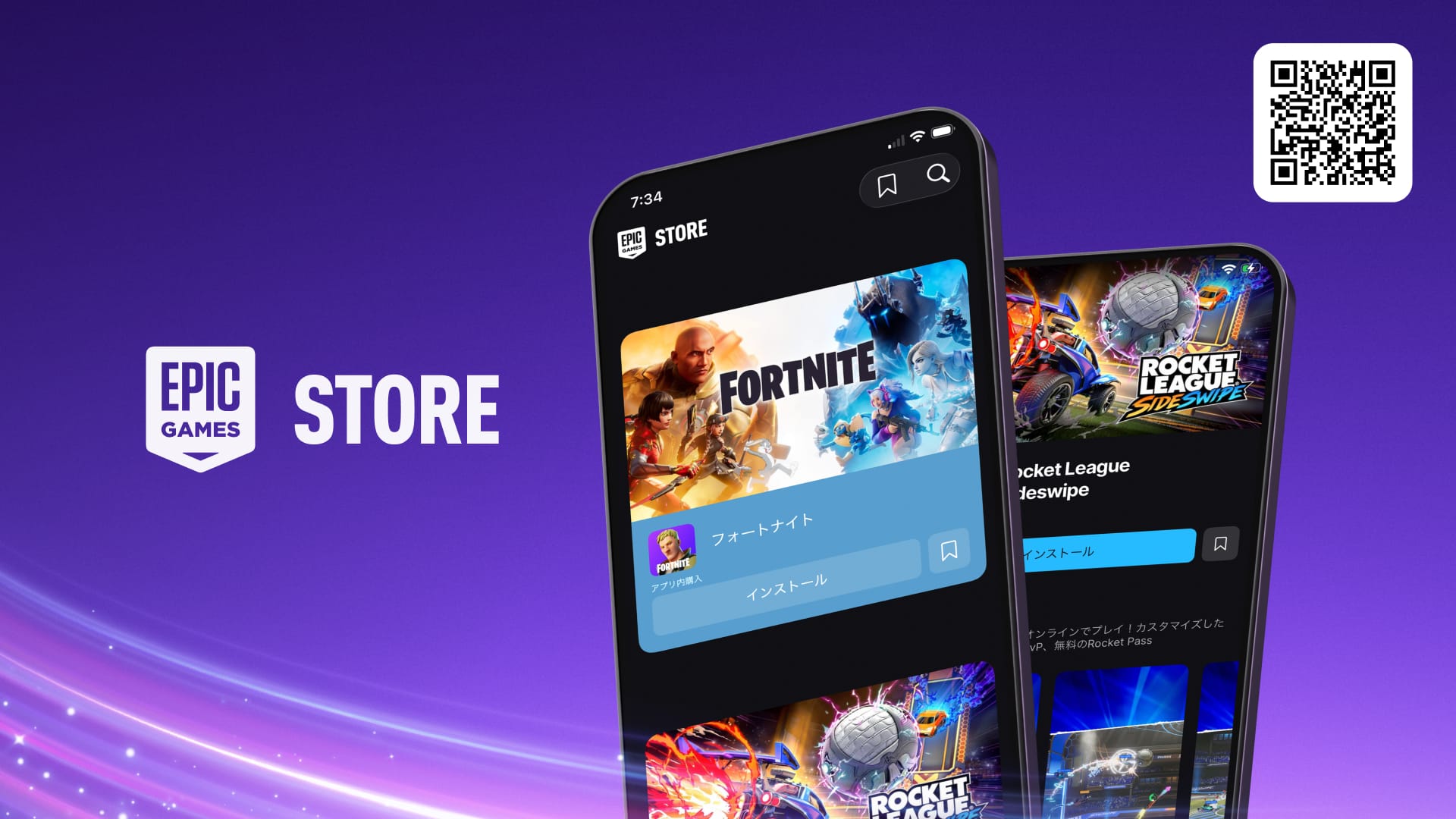
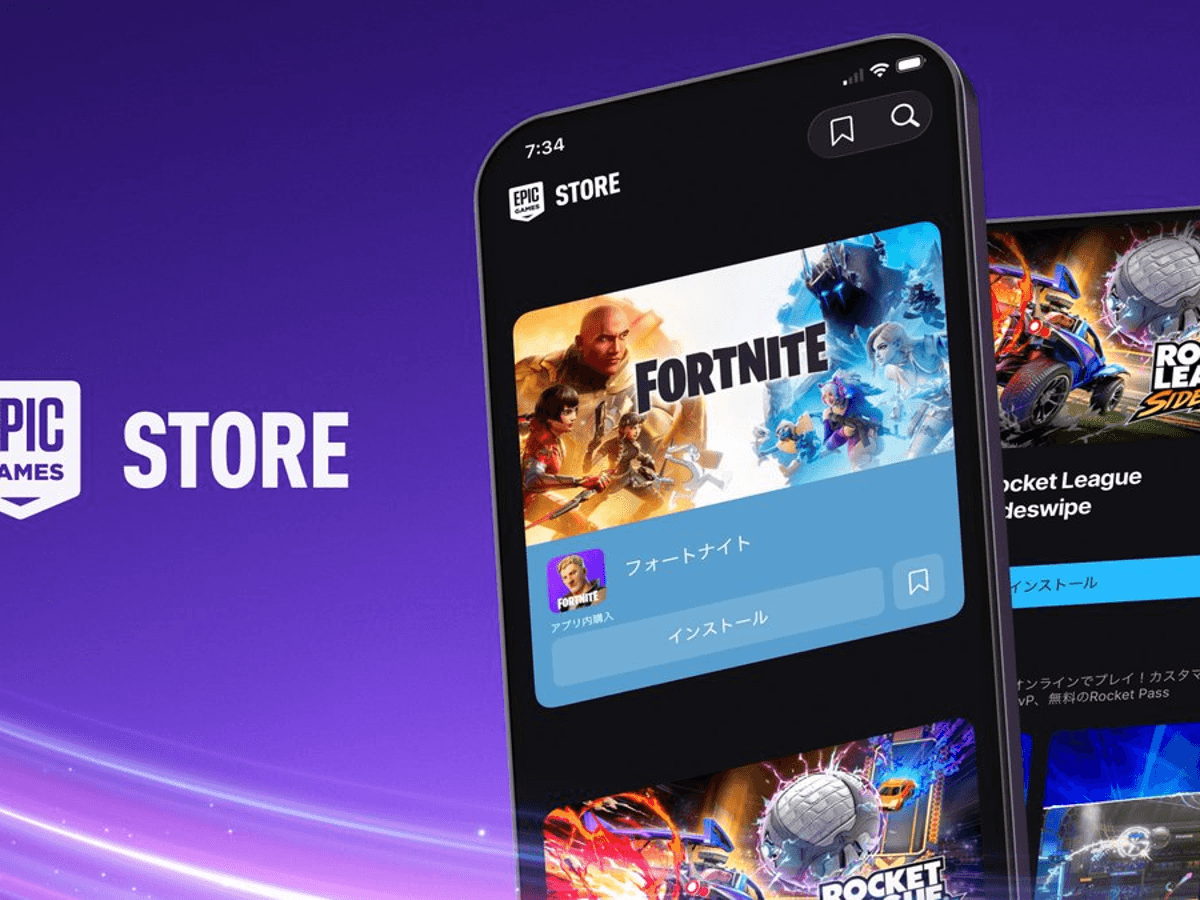
The roster includes Epic’s own published titles (Fortnite, Rocket League Sideswipe, Fall Guys), alongside third-party partners like Bandcamp, Annapurna Interactive, and smaller indie developers hungry for a fairer revenue split. Notable absences: you won’t find every mainstream hit here yet. Candy Crush? No. Call of Duty Mobile? Not at launch. But the games that are present tend to be the ones that respect your time and intelligence—no aggressive energy systems, no predatory battle pass design.
Update frequency and developer support are early indicators. Epic’s own titles receive consistent patches and seasonal content, signaling serious long-term commitment. Third-party developers, knowing the 88/12 split is more generous than Apple’s 70/30, are incentivized to push updates faster and invest more heavily in post-launch support. Performance on iPhone mirrors the Android Epic Games App—stable, responsive, and optimized for touch. iPad support exists but isn’t yet differentiated with a dedicated landscape layout; most titles are scaled iPhone UIs, a notable disadvantage for iPad Pro owners. iCloud save sync is available for most Epic Games Store iOS titles, ensuring progress persists across device upgrades. MFi controller support is present for games that implement it, though touchscreen remains the primary control method on iPhone. Performance on iPhone 14 Pro and newer reaches 60 FPS consistently; ProMotion displays on iPhone 14 Pro/Max support 120 FPS in select titles like Fortnite, delivering noticeably smoother motion than standard 60 Hz displays.
How Epic’s 88/12 Revenue Split Changes the iOS Game Economics
Here’s the math that matters: Apple takes 30% of every dollar spent on the App Store. Epic takes 12% on Epic Games Store. That’s an 18-percentage-point swing in favor of developers—the difference between making a game that barely sustains itself and one that funds a sequel, a live service, or a completely new IP.
For players, this translates to tangible benefits, though not always in direct price cuts. Developers are more likely to offer launch discounts, seasonal sales, and free content updates to justify staying on the platform. Cosmetic monetization (skins, battle passes) becomes more generous—you’re getting better value for the same $20 because the developer keeps more of it. Games designed as premium purchases rather than freemium traps become viable again, because the economics work without aggressive monetization. Some developers are already offering Epic Games Store exclusive early access windows or cosmetics, testing whether they can build loyalty through generosity rather than manipulation.
The catch: not every game will pass savings to players. Some will simply pocket the extra margin. That’s capitalism. But the potential for better economics is real, and over time, competition between platforms—even in Japan—will force developers’ hands. If you can buy the same cosmetic cheaper on Epic Games Store, players will vote with their wallets.
Monetization Model: Free-to-play (majority) and premium purchases available. IAP Present: Yes—cosmetics, battle passes, and seasonal content. Ads: None on Epic Games Store iOS titles; ad-free experience across the platform. Value Rating: 8.5/10. The 88/12 developer split results in measurably more generous cosmetic pricing, deeper seasonal discounts, and faster post-launch content updates compared to App Store equivalents. No hidden energy systems or aggressive dark patterns observed in launch titles. Comparable games on App Store typically cost 15–25% more for equivalent cosmetics.
Installation and User Experience: Is Epic Games Store iOS Easy to Use
Sideloading on iOS is not as frictionless as downloading from the App Store, and Epic doesn’t pretend otherwise. The process requires registering a developer account with Apple (free, but involves identity verification), downloading the Epic Games app via a web browser, and completing a few extra confirmation steps. It’s not difficult—anyone who’s ever installed apps on Android will find it laughably simple—but it’s also not one tap. For casual players, this friction is a real barrier. For anyone serious about gaming, it’s a small price for choice.
Once installed, Epic Games Store iOS is surprisingly polished. The storefront is clean, search is functional, and account linking from console and PC versions works seamlessly. If you play Fortnite on PlayStation or PC, your progress carries over instantly—a feature the App Store has never matched. Wishlist functionality, game notifications, and library management all work as expected. Battery drain is negligible compared to heavy games themselves. Storage impact varies by title, but Epic’s launcher is lean; you’re not installing bloatware.
The iPad experience is adequate but not optimized. Games run fine on larger screens, but the interface doesn’t take advantage of the extra real estate—a missed opportunity for iPad Air and iPad Pro owners. MFi controller support is present for games that implement it, a crucial feature for any serious iOS gamer considering longer play sessions. iCloud save sync is available for most titles, ensuring your progress isn’t lost if you upgrade or switch devices. Performance on iPhone 14 Pro and newer is rock-solid; older devices (iPhone 12, iPhone 11) may see occasional stutters in graphically intensive titles like Fortnite, but nothing worse than the App Store’s typical tier of iOS games. Unlike the App Store’s sandboxed approach, sideloading means you’re responsible for app security updates—Epic pushes them regularly, but you must manually update the launcher itself.
Should You Switch from App Store to Epic Games Store on iPhone
The Pros: Better developer economics genuinely do lead to better games. The 88/12 split incentivizes longer development cycles, more post-launch content, and less predatory monetization. You’re supporting developers more directly—18% more of your money reaches the people who made the game. The library, while smaller, is curated; you’re less likely to wade through asset-flip garbage. Cross-progression with PC and console versions is seamless. Games like Fortnite run identically to their App Store counterparts, but with the same performance and cross-play support. iCloud integration preserves your save progress across all your Apple devices without extra setup.
The Cons: The game library is fragmented. Multiplayer games with smaller player bases may suffer from lower concurrency. You’re trusting Epic’s security, not Apple’s App Store vetting process—a valid concern for privacy-conscious players, though Epic’s track record is solid. Sideloading adds friction that will turn away casual players. Outside Japan, this is still a workaround, not a feature; Apple could theoretically block it at any iOS update. You’re betting on Epic’s long-term commitment to maintain and grow this platform. iPad users lose out on optimized interfaces; iPhone remains the primary target.
The honest take: if you play Fortnite, Fall Guys, or other Epic-published titles, switch immediately. The experience is identical on iPhone, but your money goes further. If you’re hunting for indie games and prefer supporting developers directly, Epic Games Store iOS is worth the friction. If you’re a casual mobile gamer satisfied with App Store titles, there’s no urgent reason to jump. This isn’t a replacement for the App Store yet—it’s a complement to it, and a very good one.
Top Games Worth Installing Epic Games Store iOS For (Right Now)
Fortnite is the obvious flagship. It’s the same battle royale you know from console and PC, with full cross-progression and cross-play. Building mechanics work beautifully on touch, and the seasonal content cadence is identical across platforms. Performance is locked at 60 FPS on most iPhones, with ProMotion support on iPhone 14 Pro and newer pushing to 120 FPS—a feature that makes the experience noticeably smoother than standard 60 Hz displays. This is the definitive Fortnite experience on mobile—yes, better than the App Store version ever was.
Rocket League Sideswipe is a mobile-exclusive take on the vehicular soccer formula, and it’s genuinely excellent. The touch controls are intuitive, matches are snappy five-minute bursts, and the progression system respects your time. Cross-play with other platforms means a healthy player base. If you’ve never tried it, this alone justifies exploring Epic Games Store iOS.
Fall Guys launched on iOS in late 2024 and runs beautifully on iPhone. The chaotic party-game energy translates perfectly to touch, and the cosmetic shop is generous compared to console versions. Cross-progression with PC and console is seamless. Genshin Impact is also available, offering console-quality open-world RPG gameplay on iPhone—though it’s not exclusive to Epic Games Store iOS, it runs identically on both platforms. The real draw here is developer support; Hoyoverse pushes larger patches to Epic Games Store faster because the economics allow it.
The free-to-play vs. premium breakdown skews heavily toward F2P, which is smart—it lowers the barrier to entry. All of these titles support cross-play with console and PC versions, meaning you’re not playing in a siloed mobile ecosystem. That’s a massive advantage over App Store games, which often fragment communities. Unlike Fortnite on the App Store (currently unavailable), Epic Games Store iOS ensures your battle pass progression and cosmetics sync across all platforms without friction.
Epic Games Store iOS vs App Store vs Apple Arcade: Where Should Your Budget Go
| Feature | Epic Games Store iOS | App Store | Apple Arcade |
|---|---|---|---|
| Game Selection | ~50 (curated, growing) | 500,000+ (mixed quality) | ~200 (premium exclusives) |
| Monetization | Freemium (generous), Premium (no ads) | Mixed (aggressive IAP common) | Subscription only (no ads, no IAP) |
| Cross-Progression | Yes (console/PC seamless) | Varies by game | No (Apple ecosystem only) |
| iCloud Save Sync | Yes (most titles) | Varies by game | Yes (all titles) |
| iPad Optimization | Scaled (not landscape-native) | Mixed (some native) | Strong (iPad-native design) |
| Cost | Free (per-game pricing) | Free (per-game pricing) | $6.99/month or bundled |
| Best For | Fortnite players, cross-platform gamers | Casual variety, indie discovery | Ad-free, commitment-free exploration |
For hardcore cross-platform gamers: Epic Games Store iOS is mandatory. If you play Fortnite, Rocket League, or Fall Guys on console or PC, the seamless progression alone justifies the sideloading friction. You’ll spend more time actually gaming and less time re-grinding cosmetics. iPhone performance is identical to console versions, with ProMotion support delivering 120 FPS on iPhone 14 Pro.
For indie game hunters: The App Store still wins on sheer volume, but Epic Games Store iOS offers better-vetted titles with more developer support. If you’re willing to wait for games to migrate from App Store to Epic Games Store, you’ll often find them with more post-launch content and fewer aggressive monetization tactics.
For casual mobile gamers: Apple Arcade is the path of least resistance. $6.99/month for 200+ games with zero ads and zero IAP is genuinely unbeatable if you just want to relax with puzzle games, platformers, and story-driven experiences. Epic Games Store iOS requires more effort to set up and offers fewer casual titles. iPad users especially should prefer Arcade, given its native landscape layouts versus Epic Games Store’s scaled iPhone UIs.
For budget-conscious players: Epic Games Store iOS wins long-term. The 88/12 split means developers can afford to offer deeper discounts, more free content, and seasonal sales. You’re not saving money upfront, but you’re getting more value per dollar over time.
What This Means for Apple Arcade Subscribers
Apple Arcade’s value proposition is simple: $6.99/month for ad-free, IAP-free gaming across 200+ titles, all optimized for iPhone and iPad. It’s a genuinely good deal for casual players who want variety without monetization friction. Epic Games Store iOS doesn’t cannibalize this—it complements it, for a specific audience.
Apple Arcade’s exclusive lineup (Alto’s Adventure, Crossy Road+, A Short Hike+) remains unmatched on Epic Games Store iOS. These are games designed specifically for touch, optimized for iPad with full landscape support, and curated with an eye toward artistic merit. Arcade isn’t trying to compete with Fortnite; it’s offering a completely different philosophy. If you’re already paying for Apple Arcade, keep paying. It’s worth it.
The real pressure is on Apple to justify Arcade’s existence when players can now choose Epic Games Store iOS for premium titles at a lower overall cost. If you play Fortnite, you’re paying $0 on Epic Games Store and $6.99/month on Arcade—Apple needs to prove Arcade’s library is worth that premium. For most players, it isn’t. But for players who want curated, ad-free indie games, iPad-optimized experiences, and don’t care about cross-platform progression, Arcade remains the superior choice. A concurrent subscription to both is overkill unless you’re a gaming completionist.
The Verdict: Is Epic Games Store iOS Worth Your Attention (And App Store Budget)
Epic Games Store iOS is not a replacement for the App Store. It’s a genuinely useful alternative that finally gives iOS gamers what Android users have had for years: choice. That choice is valuable, even if you don’t exercise it immediately.
Install it if you: Play Fortnite, Rocket League, or Fall Guys and want console-identical gameplay on iPhone. Want console-quality games on iPhone without the App Store’s 30% tax on developers. Prefer supporting indie developers who get a fairer revenue split. Are tired of aggressive monetization and want to vote with your wallet for better game design. Own an iPhone 14 Pro and want to experience ProMotion-enabled games at 120 FPS.
Skip it if you: Are satisfied with the App Store’s library and don’t need cross-platform progression. Prefer the convenience of the App Store’s one-tap installation. Prioritize iPad-optimized experiences with landscape layouts (Apple Arcade still wins here). Are concerned about sideloading security, even though Epic’s track record is clean. Use iPad as your primary gaming device; Epic Games Store iOS UIs are scaled from iPhone.
Wait if you: Live outside Japan and prefer to avoid regional workarounds. Want to see if Epic Games Store iOS reaches feature parity with the Android version. Are hoping Apple’s regulatory pressure expands to the US and EU (it likely will, but not soon). Want iPad landscape-native support before committing.
If you loved the feel of Fortnite on console, Epic Games Store iOS delivers identical gameplay with zero compromise—and better developer economics backing it. That’s the killer app that justifies the friction. Unlike Fortnite on the App Store (currently unavailable due to the Apple-Epic dispute), Epic Games Store iOS ensures you’re playing the latest version with full cross-progression to your console account.
8.2 / 10
Best for: Fortnite enthusiasts, cross-platform gamers, and iPhone owners who want console-quality experiences with seamless progression.
Verdict: GET Epic Games Store iOS immediately if you play any of its flagship titles (Fortnite, Rocket League Sideswipe, Fall Guys). For everyone else, it’s a valuable alternative worth monitoring as the library grows. No subscription required; pay per game. Available now in Japan; international sideloading possible but requires workarounds. iPhone delivers superior performance and ProMotion support compared to iPad’s scaled UI. If you loved Fortnite’s cross-progression on console, Epic Games Store iOS is the only way to play on iOS with full account sync—the App Store version remains unavailable.
Frequently Asked Questions
Can I download Epic Games Store iOS if I’m outside Japan?
Yes, but with friction. You’ll need to use a VPN or create a Japanese Apple ID, then sideload the app through the web. Epic Games Store iOS is officially available only in Japan, but the technical barriers are low. Apple doesn’t actively block it, though the process isn’t supported for international users. If you’re serious about Fortnite or other Epic titles, it’s worth the 10-minute setup.
Is Epic Games Store iOS safer than sideloading on Android?
Yes. Epic Games Store iOS is a direct download from Epic’s servers, not a third-party app store. You’re trusting Epic, not some random marketplace. Android’s sideloading ecosystem includes genuinely sketchy app stores; iOS sideloading is just Epic Games Store, Apple’s developer tools, and a few other official alternatives. Epic’s security track record is solid. That said, you’re accepting more responsibility for your device’s security than you would with the App Store’s vetting process.
Will Fortnite ever return to the standard App Store?
Not unless Epic capitulates on the 30% commission—which is extremely unlikely. Apple’s position is that Fortnite violated App Store terms by offering direct payment links; Epic’s position is that Apple’s 30% cut is monopolistic. The legal war between them isn’t over. Fortnite will stay on Epic Games Store iOS and Android as long as that dispute continues. For App Store users outside Japan, this remains a dealbreaker.
Do games on Epic Games Store iOS support cross-play with App Store versions?
Yes, but only if the game itself supports cross-play. Fortnite, Rocket League Sideswipe, and Fall Guys all support cross-play across Epic Games Store iOS, App Store, Android, console, and PC. Multiplayer pools are unified, so you’re not playing in an isolated ecosystem. Single-player games don’t have this consideration; progression syncs across all platforms if you’re logged into your Epic account.
Is Epic Games Store iOS cheaper than the App Store for the same games?
Not always, but it has more potential. Developers get a better revenue split on Epic Games Store iOS (88/12 vs. 70/30), which means they can afford to offer deeper discounts, more frequent sales, and more generous free content. Some games are already cheaper on Epic Games Store iOS. Over time, as competition pressures Apple, expect more price differentiation. Right now, cosmetics and battle passes tend to be where you see the savings.
Can I use my existing Epic Games account on Epic Games Store iOS?
Yes, absolutely. Account linking is seamless. If you play Fortnite on PC, PlayStation, or Xbox, your progress, cosmetics, and Battle Pass transfer instantly to Epic Games Store iOS. This is one of the biggest advantages over the App Store—no re-grinding, no fragmented cosmetics. Your inventory is unified across all platforms.
Does Epic Games Store iOS support iCloud save sync?
Yes, for most titles. Epic Games Store iOS games support iCloud save synchronization, meaning your progress persists across iPhone, iPad, and Mac if you upgrade devices or switch between them. This is standard for Epic-published titles like Fortnite and Fall Guys. Third-party developers may vary; check the game’s description before assuming iCloud support.
Does Epic Games Store iOS support MFi controllers?
Yes. Epic Games Store iOS games that implement controller support work seamlessly with MFi controllers (PlayStation DualSense, Xbox controllers, etc.). Fortnite, Rocket League Sideswipe, and Fall Guys all support MFi controllers, making them suitable for longer gaming sessions. Touchscreen remains the primary control method for most titles, but controller support is available for those who prefer it.
Is Epic Games Store iOS optimized for iPad?
Not yet. While games run on iPad, the Epic Games Store iOS interface and most titles use scaled iPhone UIs rather than native landscape layouts optimized for larger screens. This is a notable disadvantage for iPad Pro and iPad Air owners. Apple Arcade remains the superior choice for iPad-optimized gaming. Epic Games Store iOS is best experienced on iPhone, where the touch interface and ProMotion support on iPhone 14 Pro shine.