Where Winds Meet Android Game Review: Worth Downloading?
Disclosure: As an Amazon Associate, Bytee earns from qualifying purchases.
You jump from a cliffside pagoda, catch a gust of wind mid-air, and redirect your sword strike into three enemies below — all within the first ten minutes of loading Where Winds Meet on your Android phone, and right then you understand exactly why this game has made over $22 million without a single player in China counting toward that number. This isn’t just another gacha action RPG trying to ride Genshin Impact’s coattails. Where Winds Meet feels like a genuine love letter to wuxia cinema, built by developers who actually understand what makes mobile RPGs tick on Android devices.
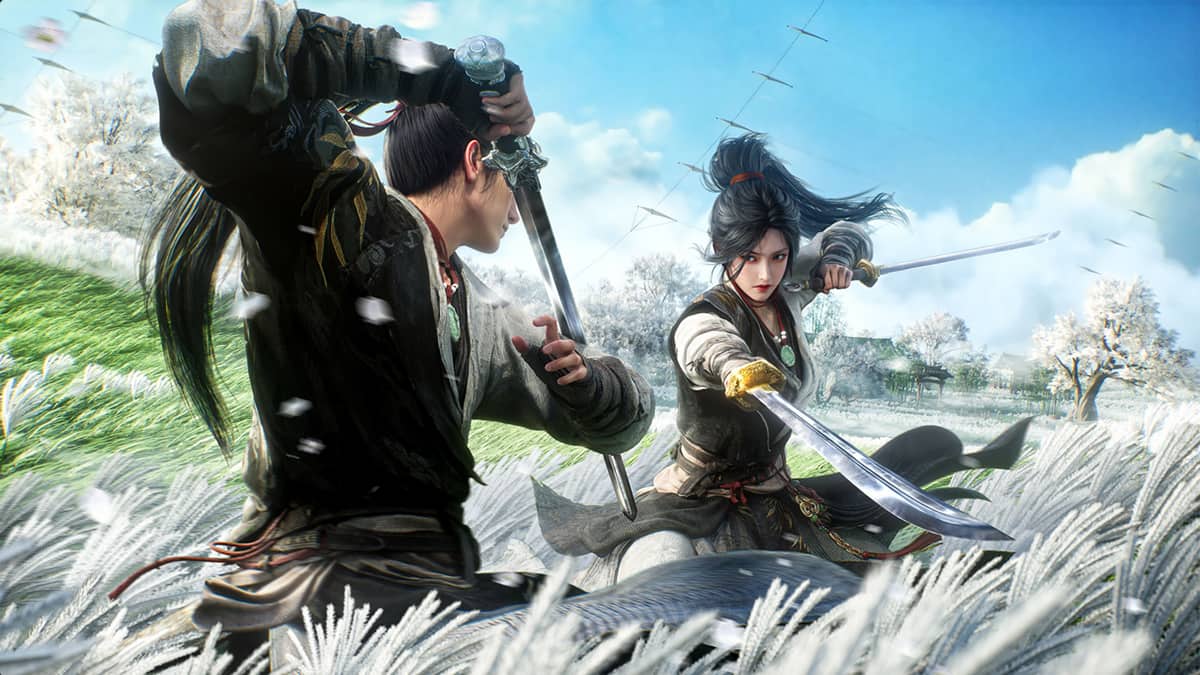
What Kind of Game Is It? — First Impressions
Where Winds Meet is a free-to-play wuxia open-world action RPG that blends exploration, combat, and narrative-driven questing into something that genuinely feels fresh in 2026. The core loop is straightforward: explore hand-painted landscapes, engage in fluid sword combat against enemies, complete character-driven quests, and build relationships with NPCs that actually matter to the story. If you loved the aesthetics of Genshin Impact but wanted something with deeper narrative roots and more wuxia flavor, this scratches that itch hard.
The onboarding is guided but never hand-holdy — within fifteen minutes you’re gliding across rooftops, discovering hidden temples, and understanding the combat system without feeling like you’re being lectured. The visual style is the real star here: an ink-wash aesthetic that pops on AMOLED screens and makes every environment feel like you’re walking through a martial arts film. Character animations are smooth, particle effects are satisfying, and the whole thing runs surprisingly clean on mid-range Android devices.
Developer: Evernight Games
Price: Free-to-Play
Size: ~3.5 GB (APK + OBB)
Rating: 4.6 / 5 ⭐ (Google Play)
Gameplay Deep Dive: What You Actually Do All Day
The moment-to-moment gameplay revolves around three pillars: swordplay, traversal, and relationship building. Combat uses a combo-based system where timing and positioning matter more than button mashing — you’re chaining light attacks into heavy strikes, managing a stamina system, and triggering special abilities tied to your character’s skill tree. It’s responsive enough that even on a 60Hz display it feels snappy, and on 120Hz flagships it’s genuinely buttery. Boss encounters force you to learn attack patterns, and the difficulty ramps in a way that respects your time without becoming frustrating.
What sets Where Winds Meet apart is the dynamic wind mechanic. Wind doesn’t just affect traversal — it influences combat angles, projectile paths, and even how certain abilities behave. You’ll redirect strikes mid-combo based on wind direction, use air currents to reach otherwise impossible ledges, and plan encounters around environmental factors. This is the moment the game clicks: you’re not just mashing buttons, you’re reading the environment and adapting your strategy in real-time. It’s the kind of detail that separates “good mobile RPG” from “actually innovative mobile RPG.” Progression happens through skill trees (plenty of build variety), gear crafting (no random loot hell), and leveling that feels earned rather than grindy.
Session flexibility is built in: you can run a ten-minute quest burst between meetings, or sink two hours into exploration marathons without feeling rushed. The game doesn’t aggressively push you toward the next objective, which is rare and genuinely appreciated. Casual story fans get a narrative-rich experience with voice acting and character development. Hardcore RPG grinders get respectable depth in build crafting and endgame content that includes repeatable dungeons and weekly challenges that stay fresh beyond the initial 20-hour story completion.
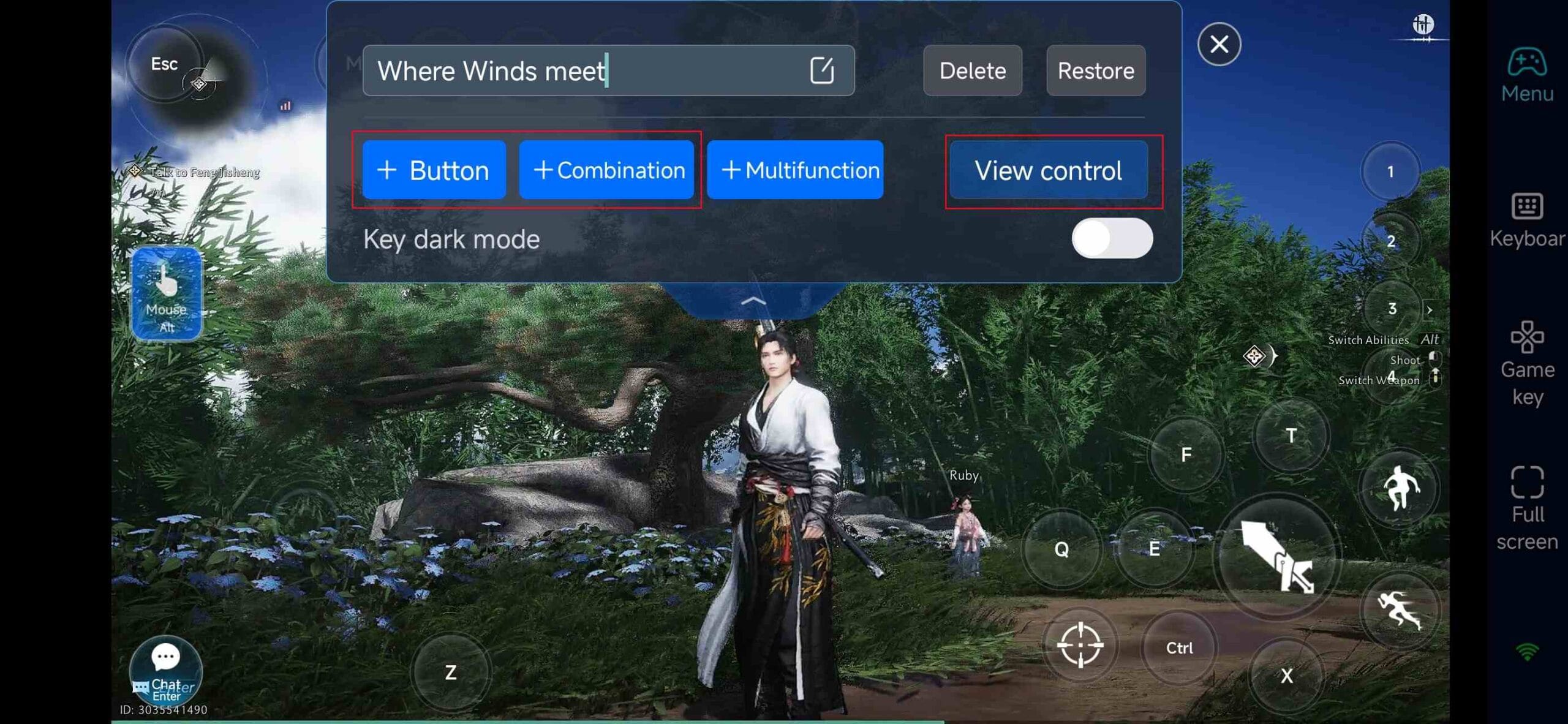
Monetization: Free-to-Play or Pay-to-Win?
Where Winds Meet is free-to-play with a cosmetic gacha system, a battle pass, and an energy mechanic — but here’s the thing: it’s implemented with actual restraint. The gacha pulls cosmetic skins and occasional character variants, not power-creeping stat boosts. Per 2026 Google Play policy, gacha rates are disclosed: expect roughly 1.6% pull rates on featured characters with a pity system that guarantees you a 5-star within 90 pulls. That’s fair by industry standards, and the free currency you earn through quests and daily missions lets you pull roughly 2-3 times per week without spending a dime.
The battle pass sits at roughly $9.99 per month for the premium tier, and yes, it gives progression boosts — but the core story, all main quests, and the majority of combat content is fully accessible without it. The energy system exists, but it’s generous: you get 180 energy per day with a cap of 360, which translates to roughly 3-4 dungeon runs or exploration sessions before you’re waiting for regeneration. It’s not the predatory “wait 8 hours for 5 stamina” garbage you see in some games.
The honest pay-to-win rating: cosmetic-only with minor progression boosts. Spenders get ahead faster in leveling and gear grind, but skill and strategy still win encounters. There’s one aggressive moment — a limited-time event that pushes pricey cosmetics hard — but it’s not game-breaking if you skip it. Free players should expect to spend roughly $0-15 per month to stay competitive in seasonal events, though the core experience costs nothing.
Model: Free-to-Play with cosmetic gacha and optional battle pass ($9.99/month)
Pay-to-Win Level: Low — cosmetic gacha only, no stat boosts locked behind paywall
Free Player Experience: You can experience the full story, master combat, and compete in events without spending a dime, though progression is slower than paying players. Expect to hit endgame content within 25-30 hours of gameplay.
Comparison: If you liked Genshin Impact, Where Winds Meet offers tighter narrative pacing and better free-player monetization, but less content volume. If you preferred Honkai Star Rail’s gacha rates, this sits in a similar sweet spot — generous enough to not feel predatory.
Android Performance and Technical Quality
Where Winds Meet is optimized for mid-range and flagship Android devices, with 4GB RAM as the bare minimum (6GB+ recommended for smooth 60fps on max graphics). The install footprint is real: you’re looking at 3-5GB total between APK and OBB files, so make sure you have storage space before downloading. On a Snapdragon 870 or better, you’ll hit 120fps consistently. On mid-range chips like the Snapdragon 778G, expect 60fps stable with occasional dips in dense combat scenarios with 10+ enemies on screen.
Battery drain is moderate to high on maximum graphics settings — plan for 15-20% drain per hour of active play on a typical 5000mAh battery. There’s a battery saver mode that drops visual fidelity but keeps gameplay intact, which is a smart inclusion. The game requires an internet connection; there’s no offline play option, so you’ll need stable WiFi or decent mobile data. Google Play Games cloud save is supported, which means you can swap between devices without losing progress.
Bluetooth controller support was confirmed in beta and should be live by the time you read this — handheld mode makes longer sessions way more comfortable. At launch, there were minor server stability hiccups during peak hours (not surprising given the $22.1 million revenue already pulled), but major patches rolled out within the first month. Current build is stable across most devices.
Should You Download It? Verdict and Best Alternatives
Where Winds Meet is a legitimately strong mobile RPG that respects your time and your wallet. The wuxia narrative is engaging, the combat feels meaty, and the exploration rewards curiosity. It’s not perfect — the energy system still exists (even if generous), and endgame content is still being expanded — but what’s here is worth your storage space and download time.
7.8 / 10
Download Recommendation: YES for RPG grinders and story-first players. Cautious YES for casual gamers who can tolerate gacha systems and energy gates. The $22.1 million revenue milestone isn’t just social proof — it’s proof the developers built something players actually want to keep playing. Best For: Wuxia fans who want Genshin Impact’s exploration polish with better narrative depth and free-player-friendly monetization.
Best Alternatives:
- Genshin Impact — More content volume, less narrative depth, bigger community. Pick this if you want to lose 200 hours to exploration.
- Wuthering Waves — Faster combat pacing, more aggressive gacha. Pick this if you prefer bullet-hell action over strategic positioning.
- Phantom Blade Zero — Console-quality action, no gacha, premium price. Pick this if you want zero monetization drama but don’t mind dropping $20 upfront.
Frequently Asked Questions
Is Where Winds Meet free to play on Android?
Yes, it’s completely free to download and play on Google Play. You can experience the full story and main content without spending money, though cosmetic gacha and an optional battle pass exist for players who want to support the devs or speed up progression.
Does Where Winds Meet work offline on Android?
No, it requires an active internet connection to play. There’s no offline mode, so you’ll need stable WiFi or mobile data. Cloud save via Google Play Games is supported, so you can jump between devices seamlessly.
Is Where Winds Meet pay-to-win on mobile?
Not really. It’s pay-to-progress-faster more than pay-to-win. Gacha pulls are cosmetic and occasional character variants, not stat boosts. Skill and strategy still matter in combat, and free players can fully experience the story and compete in events without spending a dime.
What are the minimum Android specs to run Where Winds Meet?
Minimum 4GB RAM and Android 8.0 or higher. For smooth 60fps gameplay, 6GB RAM and a Snapdragon 778G or better is recommended. The game requires 3-5GB of total storage space.
How much does the battle pass cost?
The premium battle pass costs $9.99 USD per month (approximately). It’s optional and not required to experience the full story or compete in events.