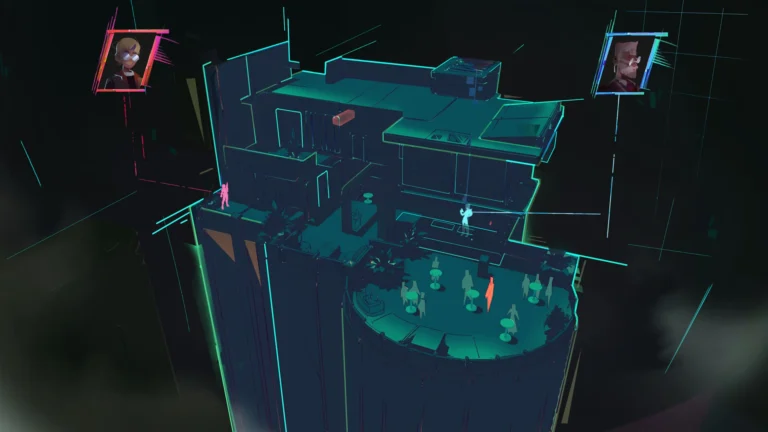
High resolution product overview of Marathon review
Game Reviews

Marathon Review: Joy, Pain & Loot in a Dark Sci-Fi Future

Disclosure: As an Amazon Associate, Bytee earns from qualifying purchases.

You had the perfect run — a rare weapon pulled from a locked crate, two squads eliminated, the extraction beacon already pinging — and then a fourth team you never heard coming put you in the ground ten seconds from safety, taking everything with them. That moment, that gut-punch of loss mixed with adrenaline, is Marathon in a nutshell. Bungie’s extraction shooter doesn’t apologize for the stakes it places on your shoulders, and it won’t hold your hand through the learning curve. But for players who thrive in high-tension, loot-driven multiplayer shooters, Marathon delivers some of the most satisfying gunplay the genre has ever seen.

High resolution product overview of Marathon review

What Is Marathon and Who Is It For?

Marathon is Bungie’s entry into the extraction shooter space, released on PS5 and PC in early access format during 2025. It’s not a traditional campaign game with a linear story arc — instead, it’s a live-service multiplayer title built around repeated, high-stakes raids into a hostile sci-fi colony. Each session lasts 20 to 45 minutes depending on how aggressively you play and how long you survive. The core loop is simple: drop into one of several maps, scavenge loot from crates and fallen enemies, eliminate rival squads and AI threats, and extract safely to cash in your rewards. Fail to extract, and you lose everything you’ve collected in that run. It’s a brutal economy, but one that keeps every decision feeling consequential.

The game sits squarely in the hardcore-leaning camp, but Bungie has designed scaling difficulty and matchmaking that attempts to onboard newer players without completely gutting the experience for veterans. You can queue solo or with a pre-made squad of up to three players, though solo queue puts you at a significant disadvantage against coordinated teams. Marathon costs $39.99 at launch and requires an active PlayStation Plus or PC subscription for online play. The early investment estimate is 20 to 40 hours before you’ll feel competent with map layouts, loot routes, and combat fundamentals — longer if you’re new to extraction shooters entirely.

Marathon’s Place in the Extraction Shooter Genre

Extraction shooters are a niche but growing genre, with titles like Escape from Tarkov, Hunt: Showdown, and The Finals establishing the template: high-risk loot runs, permadeath consequences, and asymmetrical PvPvE combat. Marathon borrows heavily from this blueprint but brings Bungie’s 20-year pedigree in gunplay to the table. Where Tarkov emphasizes hardcore simulation and Hunt focuses on gothic atmosphere, Marathon prioritizes responsive, snappy combat that feels closer to Destiny’s DNA — fast TTK (time-to-kill), ability-based class distinctions, and weighty weapon handling that rewards precision.

Genre veterans will immediately recognize the familiar friction: the tension between staying longer to loot more and extracting early to bank your gains safely. What Marathon does differently is lean harder into the sci-fi setting and Bungie’s signature ability-driven gameplay. Your Runner class (think of it as your character archetype) has special powers — a grappling hook for vertical mobility, a deployable shield that blocks incoming fire for 8 seconds, or area-denial grenades with a 25-second cooldown — that add a layer of tactical depth absent from Tarkov’s more grounded approach. For newcomers to extraction shooters, this is both a blessing and a curse. The ability system makes combat feel more dynamic and forgiving than pure gunplay-focused competitors, but the genre’s inherent learning curve — map knowledge, loot value assessment, squad coordination — remains steep regardless of how polished the gunplay is.

Gameplay & Core Mechanics: What You Actually Do in Marathon

A typical Marathon session begins the moment you board the dropship. You and your squad (or you alone) select a landing zone on the map, then have roughly 30 to 45 minutes to accumulate loot, survive encounters, and reach an extraction point. The moment-to-moment feel is a careful balance between speed and caution. You’re not sprinting mindlessly through corridors — every corner could hide an enemy squad, an AI patrol, or a locked crate full of rare gear. The map design encourages vertical play and multiple route options, so skilled players can outmaneuver less experienced ones through knowledge and positioning rather than pure gunplay alone. A successful loot route on the Colonial Outpost map, for example, involves dropping at the eastern cargo bay, looting three weapon crates (approximately 8 to 12 minutes), then moving north through the ventilation shaft to avoid the main squad spawn zones before heading to extraction.

Combat itself is where Marathon truly separates from the pack. The shooting feels premium. Weapons have distinct recoil patterns that reward controlled bursts over spray-and-pray panic fire. The Mk. 18 assault rifle, for instance, has a rising vertical recoil pattern that demands micro-adjustments; the Vortex sniper has minimal recoil but a 2.5-second bolt-action cycle time; the Spectre shotgun kills in two close-range shots but falls off dramatically beyond 12 meters. Headshots matter — a well-placed shot can drop an opponent before they even return fire. Bungie’s decades of Destiny experience show in every trigger pull: the feedback is tight, the aim assist (on console) is tuned for competitive fairness without feeling like aimbot, and the weapon variety ensures that different engagement ranges and playstyles feel viable. A sniper-focused build plays entirely differently from a close-quarters shotgun runner, and both can succeed in the same match.

Combat System, Abilities & Loot Mechanics

The combat loop in Marathon is fast and lethal. Encounters rarely last more than 10 to 15 seconds once squads lock eyes on each other. This is where Bungie’s pedigree shines — the game feels responsive in a way that Tarkov, with its deliberate slowness, does not. Abilities add another layer: your Runner class determines your toolkit. The Vanguard class has a deployable shield that absorbs 150 points of damage and blocks line-of-sight for 8 seconds; the Scout class has a grappling hook with a 12-second cooldown that enables vertical repositioning; the Gunner class has proximity mines that detonate within 5 meters and cost 40 ability energy. These aren’t game-breaking powers — they have cooldowns and resource costs — but they create moments of tactical play beyond pure gunplay. A well-timed shield deploy can turn a losing 1v2 into a victory, which feels earned rather than lucky.

The PvPvE tension is constant. You’re not just fighting other players; the map is populated with AI enemies — colonial drones, security turrets, and hostile fauna that will attack both you and your rivals indiscriminately. This creates interesting moments where enemy squads might temporarily cooperate against a shared AI threat, or where you can bait enemies into AI-controlled zones and let the machines do your work. The AI isn’t stupid — they use cover, call for reinforcements, and can overwhelm a careless player — but they’re clearly less dangerous than human opponents. This balance keeps PvE from feeling like a glorified training mode while ensuring that player skill remains the primary determinant of success.

Loot is the currency of Marathon, and the system is designed to create constant tension. Weapons, armor, and gear are divided into rarity tiers: Common (gray), Uncommon (green), Rare (blue), Epic (purple), and Exotic (gold). Rarer items have better stats, unique perks, or both. When you die, you lose everything you’ve collected in that run — every weapon, every piece of gear, every consumable. This is the core mechanic that separates Marathon from traditional multiplayer shooters. A 30-minute run where you find three rare weapons and perfect gear can be erased in a single firefight, and there’s no insurance or stash mechanic to soften the blow. What you extract is what you keep; what you don’t extract is gone forever. This system is brilliant for creating tension but brutal for newer players. Your first 10 hours will involve losing gear you don’t fully understand the value of, dying to squads with better equipment, and struggling with the economic decision-making that separates good players from great ones. Should you push deeper into the map for better loot, or extract early with modest gains? Should you engage every squad you see, or avoid conflict and focus on PvE loot? These decisions matter because the consequences are real and immediate. Over time, this creates a progression loop where successful runs fund better loadouts for future runs, and better loadouts make successful runs more likely. It’s addictive, but it’s also frustrating when you hit a dry streak and your gear decays from repeated losses.

Hands-on close-up showing features of Marathon review
Image via mxdwn Games

Story, World & Presentation: Marathon’s Dark Sci-Fi Universe

Marathon’s narrative is delivered through environmental storytelling, lore entries, and Runner character dialogue rather than cutscenes or a traditional campaign. The setting is Tau Ceti, a distant colony that has descended into chaos. The specifics of what happened — why the colony is now a war zone, who controls what, what the various factions want — unfold gradually as you explore. This approach will appeal to players who love piecing together lore like a puzzle, but it will frustrate players who want a clear, linear story. There’s no campaign mission that explains the plot; instead, you get context through audio logs, environmental details, and NPC dialogue scattered throughout the maps.

The art direction is one of Marathon’s strongest assets. Bungie has crafted a visual identity that’s distinct from Destiny’s clean sci-fi aesthetic. The Tau Ceti colony is brutal and industrial — concrete bunkers, rusted machinery, bioluminescent flora overtaking human structures. Colors are bold when they appear (vibrant blues and greens from alien lifeforms) but mostly the palette is muted grays and browns punctuated by the warm glow of fires and explosions. It creates a sense of a world that’s been abandoned and reclaimed by nature, which matches the thematic weight of extraction shooters perfectly. Every location feels lived-in and dangerous.

Sound design is equally crucial to the experience. The audio cues tell you as much about your surroundings as your eyes do. Enemy footsteps are distinct enough to place (and loud enough to hear through walls if you’re paying attention), extraction beacons emit a distinctive ping that grows more urgent as the timer counts down, and weapon fire echoes realistically through corridors. The original soundtrack by Bungie’s composers hits a sweet spot between ambient tension and action-packed intensity — it never overwhelms dialogue or gunfire, but it’s always present, always building dread. Voice acting for your Runner characters is solid; they’re voiced but not overly chatty, offering tactical callouts and occasional personality without becoming annoying after the hundredth match.

Performance on PS5 and PC has been stable in early access, with frame rates holding at 60 FPS on PS5 (with an option for 120 FPS at lower resolution) and higher on PC depending on your hardware. Bungie’s netcode is reliable — lag and desync issues are minimal compared to some genre competitors. There were minor server stability hiccups during the initial launch week, but these were ironed out quickly. The always-online requirement means you’ll occasionally hit matchmaking delays during off-peak hours, but this is a minor inconvenience rather than a dealbreaker.

Content, Length & Replayability: How Long Will Marathon Hold Your Attention?

Marathon has no traditional campaign length because there is no campaign. You don’t “beat” Marathon; you play it repeatedly, chasing incremental gear improvements and map mastery. At launch, there are four maps available: Colonial Outpost, Deep Sector, Frozen Archive, and Abandoned Research Station. Each map contains multiple zones and extraction points. The maps are large enough that you won’t memorize them in a few hours, but small enough that after 30 to 40 hours of play, you’ll know the major loot routes and chokepoints. This is where the replayability question becomes crucial: will you keep coming back after you’ve learned the maps? The answer depends entirely on whether you enjoy the extraction shooter loop itself. If you love the tension, the loot grind, and the competitive multiplayer combat, you’ll sink hundreds of hours here. If you’re looking for a story-driven experience or varied mission objectives, you’ll burn out quickly.

There are currently three Runner classes available at launch (Vanguard, Scout, Gunner), with more promised in post-launch updates. Each class plays differently enough to warrant multiple playthroughs, but the class selection feels lean for a live-service game at $39.99 entry price. You unlock cosmetics and gear through progression, but the cosmetic options are mostly tasteful and non-intrusive — no ridiculous neon skins that break immersion. The monetization model is cosmetic-only at launch, which is commendable. Bungie has announced a seasonal content roadmap, and given their Destiny 2 experience, you can expect regular updates with new maps, weapons, and cosmetics. However, Destiny 2’s seasonal model is also infamous for FOMO-driven content and aggressive battle pass pricing, so Marathon players should expect similar patterns here.

Solo queue is viable but genuinely harder than squading with friends or teammates. Matchmaking attempts to balance solo players against other solos, but pre-made squads with voice communication will almost always have an advantage. This is inherent to squad-based shooters, but it’s worth noting if you plan to play primarily solo. The game doesn’t punish solo players mechanically, but the social and tactical advantages of coordination are real. If you’re a solo-only player, Marathon is still worth trying, but understand that you’re playing on hard mode by design.

Flaws, Frustrations & Red Flags: What Marathon Gets Wrong

The steep learning curve is Marathon’s most significant barrier to entry. New players will lose repeatedly for their first 10 to 20 hours, and not always because they lack gunplay skill. Map knowledge is a massive advantage — knowing where loot spawns (the three weapon crates on Colonial Outpost’s east side, the armor cache behind the frozen containment unit on Frozen Archive), where squads typically camp (the central bridge choke point on Deep Sector, the ventilation hub on Abandoned Research Station), which routes avoid AI patrols — and this knowledge only comes from repeated play. Bungie could have mitigated this with tutorial runs or practice modes against AI-only opponents, but instead, you’re thrown into the deep end against players who’ve already invested 50+ hours. This isn’t inherently unfair, but it’s a high barrier for casual players or those new to the extraction shooter genre. A player with perfect gunplay but zero map knowledge will lose to a mediocre shooter with 40 hours invested.

The loot loss system, while thrilling, is punishing to the point of frustration for some playstyles. If you’re the type of player who enjoys relaxed, low-stakes multiplayer, Marathon will feel stressful rather than fun. Losing an hour of progression to a single ambush you didn’t see coming can feel unfair, especially when you understand that the enemy squad had better gear, better map knowledge, and better positioning — advantages you can’t control in your first 20 hours. The game requires you to accept losses as learning experiences, but not everyone has that temperament. For players with limited time to grind (5-10 hours per week), a bad streak of three or four consecutive losses can wipe out a week’s worth of gear progression, creating a demoralizing treadmill. The game offers no catch-up mechanics, no insurance system, and no way to recover from a losing streak except by grinding more successful runs.

The map pool at launch is thin for a $39.99 game. Four maps means that after 30 to 40 hours, you’ll be running the same routes repeatedly. Yes, the maps have enough vertical variation and alternate routes to stay fresh longer than you’d expect, but the core layout becomes familiar quickly. Bungie has promised new maps in seasonal updates, but day-one content depth is a legitimate concern if you’re buying at full price expecting hundreds of hours of variety. The post-launch roadmap is credible given Bungie’s track record with Destiny 2, but that track record also includes content droughts where seasonal updates arrived 2-3 months late and featured recycled assets from previous seasons.

Server stability, while generally solid, has been inconsistent during peak hours. Matchmaking can take 2 to 3 minutes during off-peak times (10 PM to 6 AM in most regions), and there have been occasional instances of squad members getting disconnected mid-run, resulting in a full loot loss for the disconnected player. This is less egregious than some always-online games, but it’s worth flagging for players with unstable internet connections or those in regions with poor server coverage. Bungie has committed to expanding server infrastructure, but this is a known pain point at launch and has caused genuine frustration in the community.

The monetization structure, while cosmetic-only at launch, raises red flags based on Destiny 2’s history. Battle passes are $9.99 per season, seasonal cosmetics are often priced aggressively at $15-20 for exotic skins, and there’s a clear incentive to spend money to look good in a competitive environment where cosmetics signal experience level. This isn’t pay-to-win, which is admirable, but the FOMO-driven seasonal model means that if you take a month off, you’ll miss limited cosmetics that won’t return. Some players will find this annoying rather than just cosmetic. Additionally, the cosmetic pricing at $39.99 base game + $9.99 seasonal pass + $15+ exotic cosmetics creates an effective $70+ yearly cost for engaged players, which undercuts the “fair monetization” messaging.

Verdict: Should You Buy Marathon in 2025?

Marathon is a masterclass in extraction shooter gunplay wrapped around a brutal, loot-driven multiplayer loop that won’t appeal to everyone. If you love Escape from Tarkov’s tension but wish it had better shooting mechanics, or if you’re a Destiny fan curious about how Bungie applies their expertise to a new genre, Marathon is absolutely worth your money. The moment-to-moment combat is the best in its class, the world-building is intriguing, and the progression loop is genuinely addictive once you get past the learning curve.

However, if you’re a casual player looking for a relaxed multiplayer experience, or if you primarily play solo and don’t want to deal with the coordination disadvantage, wait for post-launch updates and a price drop. The current $39.99 price point is justifiable if the extraction shooter genre appeals to you, but it’s a steep entry fee for players who are uncertain. The game will improve significantly once Bungie releases new maps and Runner classes (expected in the first seasonal update within 6-8 weeks), and a sale to $29.99 will inevitably come within three months. If you’ve never played an extraction shooter and aren’t sure if the genre is for you, rent it first (if your platform allows) or watch extended gameplay before committing.

Skip this game if you hate permadeath loot loss mechanics, if you’re averse to always-online multiplayer, or if you need a single-player campaign to justify your purchase. Marathon is multiplayer-first and loot-loss is non-negotiable. There’s no offline mode, no story campaign you can experience solo, and no way to avoid the consequence of death. Those design choices are intentional and won’t change.

Score: 8/10 — Marathon delivers premium gunplay and genuine tension in a well-realized sci-fi setting, but a steep learning curve, thin launch content (four maps), brutal loss mechanics, and inconsistent server stability during peak hours limit its appeal to genre enthusiasts and hardcore players. At $39.99, it’s a solid buy for extraction shooter fans; for everyone else, wait for the first seasonal update and a price drop to $29.99.

Buy if you love extraction shooters, have 40+ hours per week to invest, or are a Bungie gunplay enthusiast willing to accept the learning curve.

Wait if you’re new to the genre, prefer casual multiplayer, or want more maps and cosmetic variety before committing $39.99.

Skip if you hate permadeath mechanics, require a single-player campaign, have limited internet stability, or need guaranteed cosmetic availability.

Frequently Asked Questions

Is Marathon worth buying in 2025 or should you wait for more content?

Marathon is worth buying immediately if you love extraction shooters and Bungie’s gunplay design — the launch content is solid and the post-launch roadmap is credible. If you’re new to the genre or concerned about the four-map pool, wait until the first seasonal update (expected within 6-8 weeks) when new maps and Runner classes will expand the content. A price drop to $29.99 is also likely within three months, making Marathon a better value proposition for casual players. At $39.99, you’re paying a premium for day-one access and the guarantee that you’ll have the most experienced player base during launch.

How long does a typical Marathon session last and is there an end goal?

A typical Marathon session lasts 20 to 45 minutes depending on playstyle and survival duration. There’s no “end goal” in the traditional sense — you don’t beat Marathon or complete a final objective. Instead, the goal is to extract with as much loot as possible before the session timer expires (usually 45 minutes). Successful runs reward you with gear and currency for future runs, creating a progression loop rather than a linear narrative endpoint. Each session is independent; losing a run doesn’t carry over consequences to future sessions beyond losing your accumulated gear.

Does Marathon have solo play or is it strictly a multiplayer co-op game?

Marathon supports solo queue, but it’s designed as a squad-based game. You can play alone and will be matched against other solo players, but pre-made squads have significant advantages due to voice communication and coordination. Solo play is viable but genuinely harder — expect to lose more often than squads until you’ve invested 30+ hours in map knowledge and gunplay mastery. Solo players lose approximately 15-20% more runs than coordinated three-person squads, according to community data, so factor this into your playstyle expectations.

How does Marathon compare to other extraction shooters like Escape from Tarkov?

Marathon has faster, more responsive gunplay than Tarkov (Bungie’s Destiny DNA shows here), but less hardcore simulation and gear customization. Hunt: Showdown is closer to Marathon in pacing and PvPvE tension, though Marathon’s ability-based class system (Vanguard shields, Scout grappling hooks, Gunner proximity mines) adds more tactical depth than Hunt’s purely gunplay-focused approach. If you want the best shooting mechanics in an extraction shooter, Marathon wins; if you want the deepest simulation and loot systems, Tarkov remains the standard. The Delta lies in accessibility: Marathon is more forgiving for new players, but Tarkov offers greater long-term depth.

What platforms is Marathon available on and does it support cross-play?

Marathon is available on PS5 and PC (Steam and Epic Games Store) at launch. Cross-play between PS5 and PC is fully supported, meaning you can squad with friends regardless of platform. Console and PC players compete in the same matchmaking pool, though PC players have the typical mouse-and-keyboard advantage in aiming and ability activation speed. No Nintendo Switch or Xbox versions have been announced, though Bungie has not ruled out future platform expansion post-launch.

What happens to my loot if I disconnect during a Marathon run?

If you disconnect during a Marathon run, you lose all loot you’ve collected in that session immediately — there is no grace period or recovery window. Your squad can continue without you, but your portion of the loot is permanently gone. This is by design and creates significant frustration for players with unstable internet connections. Bungie has acknowledged this as a pain point and committed to improving server stability, but as of launch, disconnections during peak hours (8 PM to midnight) are not uncommon. If you have latency issues or unstable internet, Marathon’s always-online, loot-loss-on-disconnect model may be a dealbreaker.

How much does the seasonal battle pass cost and what does it include?

Marathon’s seasonal battle pass costs $9.99 per season (seasons last approximately 8-10 weeks). It includes cosmetic cosmetics, weapon skins, Runner skins, and cosmetic currency. The pass is entirely cosmetic and does not include gameplay advantages, new weapons, or new maps — those are free updates for all players. However, cosmetics earned from the battle pass are time-limited; if you don’t complete the pass during the season, those cosmetics disappear and are not guaranteed to return. This FOMO-driven model mirrors Destiny 2’s seasonal structure, so expect cosmetics to cost $15-20 individually if you want to purchase them outside the pass.

Similar Posts