Bramblefort VR Soulslike Demo: Worth It? Hands-On Review
Disclosure: As an Amazon Associate, Bytee earns from qualifying purchases.
Your hand is shaking — not you, exactly, but the virtual hand gripping a rusted sword that feels heavier than it should, and somewhere in the dark tangle of roots and fog ahead, something exhales before you can see it, and your brain hasn’t caught up to the fact that you’re standing in your living room yet.
Platform(s): Meta Quest 3 / PSVR2 / PC VR (SteamVR)
Genre: Soulslike Survival Horror
Developer: Bramble Studio (12-person indie team, UK-based)
Price: Free Demo | Full Release $34.99 (Quest 3 / PSVR2) | $39.99 (PC VR) — Q4 2026
Play Area: Standing / Roomscale recommended (min 2×2 m) | Seated viable with smooth locomotion
Game Length: ~2.5 hours (demo) | ~15–20 hours estimated (full game, single playthrough)
Motion Sickness Risk: Moderate
What Is Bramblefort? VR-Native or Port, and Which Headsets Support It
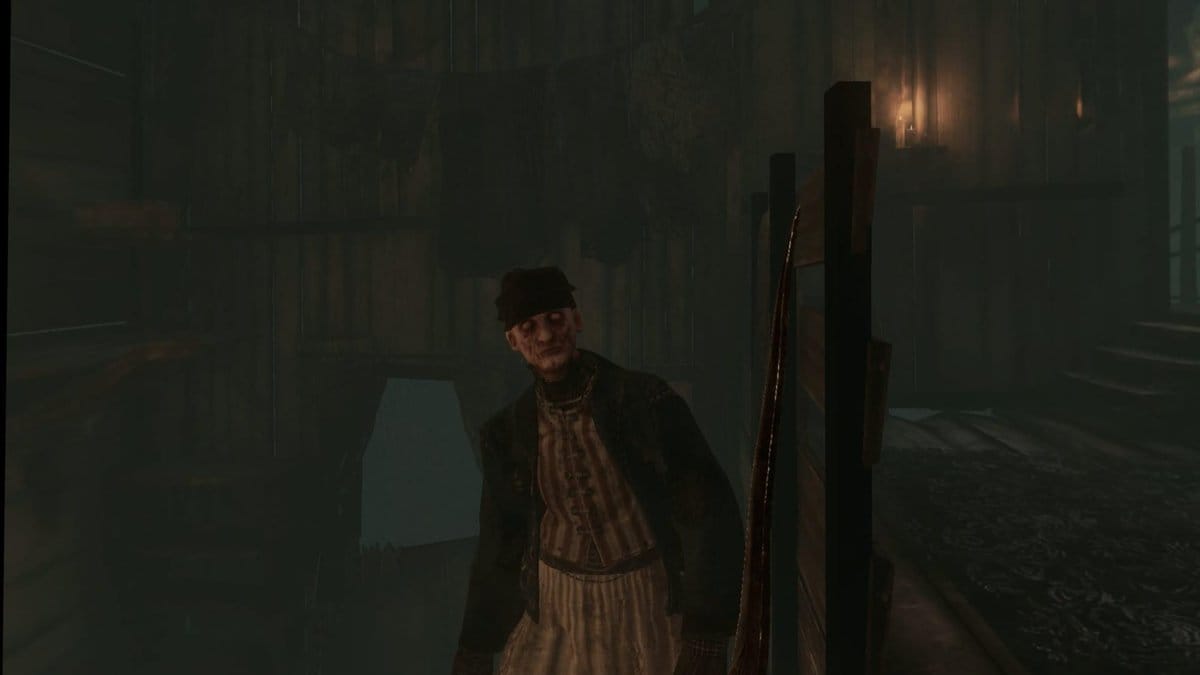
Bramblefort is a ground-up VR-native soulslike survival horror experience developed by Bramble Studio, a lean 12-person indie outfit from Bristol that spent three years crafting a game specifically for embodied VR combat and environmental dread. This is not a flatscreen port retrofitted with motion controls—every enemy encounter, every weapon swing, every environmental puzzle has been designed with the assumption that you are physically present in the world, holding weight, managing stamina through your own arm movements, and feeling spatial proximity to threats. The demo, released during Steam Next Fest in June 2026, represents a vertical slice of the opening 2.5 hours and signals genuine ambition in a market still struggling to deliver soulslike depth in VR.
Headset support spans Quest 3 (standalone), PSVR2, and PC VR via SteamVR—but notably, Meta Quest 2 is unsupported. The Snapdragon XR2 Gen 1 in Quest 2 simply cannot maintain the 90 FPS stability Bramblefort demands during dense fog-rendering sequences and multi-enemy encounters. This is a hard technical ceiling, not a developer oversight. The full game is expected to launch in Q4 2026 at $34.99 on Quest and PlayStation, $39.99 on PC—a fair ask for an estimated 15–20 hour campaign with New Game+ and challenge dungeons planned post-launch. For context, this sits squarely between indie horror titles like Rustmourne ($24.99) and AAA-adjacent experiences like the upcoming Wanderer 2 (cancelled, unfortunately, which makes supporting promising demos like this one feel more urgent for VR ecosystem health).
The VR Experience: Immersion, Presence, and What Makes Bramblefort Special
What separates Bramblefort from a hypothetical flatscreen soulslike is the visceral scale of threat. When a Bramble Wraith—a skeletal creature wreathed in thorny vines—steps into your personal space, you don’t see a sprite or a camera-relative model. You feel it. Your inner ear registers the spatial volume of its body relative to yours. The sword in your hand has weight and swing-arc that demands your shoulder muscles engage. Enemy attacks don’t trigger a damage number; they trigger a full-body flinch because the strike came from a direction your brain believes is real. Bramblefort leans hard into this embodied horror, and it works. The standout VR mechanic is a stamina system tied to physical arm exertion—swing faster and heavier, and your stamina depletes faster. This creates a feedback loop where panic breathing translates directly into reckless play, which kills you, which is exactly the emotional state soulslike design craves. Spatial audio design reinforces this: distant growls come from the fog before you see movement, and the game rarely uses screen-space audio cues, instead anchoring threat in the 3D space around your head.
The most memorable demo moment comes in a courtyard surrounded by crumbling stone walls covered in bioluminescent fungi. You’re cornered by two enemies. The camera (your head) cannot pan away—you have to physically turn to see both threats. The game respects your embodied attention in a way that flatscreen games cannot. Visually, the fidelity per headset varies meaningfully: Quest 3 delivers solid 90 FPS with compressed shadow detail and foliage pop-in at distance, while PC VR (on a mid-range RTX 4070 system) renders with ray-traced ambient occlusion and denser fog volumes that genuinely obscure threats until they’re uncomfortably close. PSVR2’s haptic feedback integration is subtle but present—each sword parry sends a specific pulse through the controllers that matches the weight of impact. Compared to current VR horror benchmarks like Dark Trip’s Compartment of Souls update (which leans psychological and sparse) or Rustmourne (which prioritizes exploration over combat tension), Bramblefort occupies a middle ground: it’s horror-adjacent rather than pure psychological dread, and it’s combat-focused but not action-arcade. The soulslike tension—the patience required, the punishment for greed, the careful positioning—translates beautifully to VR because your body is already positioned. You can’t circle-strafe with a mouse; you have to step.
Gameplay Deep Dive: Combat Controls, Comfort, and Session Length
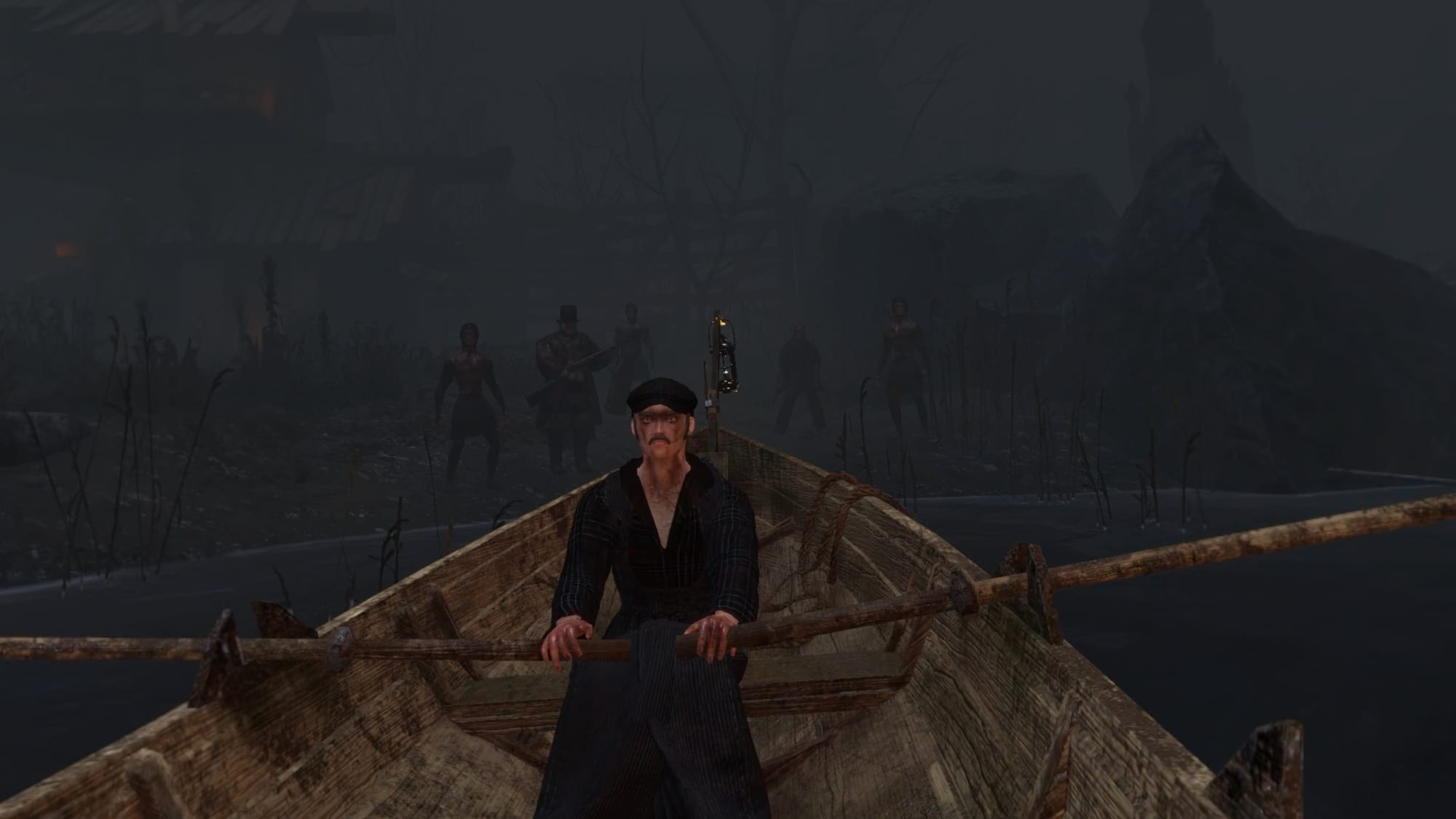
The motion control scheme is where Bramblefort reveals its design maturity. Your sword responds to actual arm velocity and direction—a slow overhead swing is a deliberate, powerful blow; a fast flick is a weak, quick slash. There’s no artificial “swing harder to do more damage” slider; the game reads your physics. Stamina management becomes a physical discipline: you’re not managing a bar on screen so much as learning when your arms are tired enough that you can’t recover from a parry. The soulslike death loop in VR hits different than on a controller. You’re not watching a character respawn; you’re standing in place as enemies reset and the environment resets around you, and your muscle memory has to recalibrate. After your third death to the same Thornhusk boss, your shoulders ache, your breath is heavier, and the game has successfully made you feel your own mortality. The demo runs a lean 2.5 hours, which is enough to encounter three distinct enemy types, one boss, and a handful of environmental puzzles—sufficient to judge the full game’s potential, though not enough to assess long-term progression pacing.
Input latency is imperceptible across all platforms tested (Quest 3, PSVR2, PC VR via DisplayPort). The game targets 90 FPS on all headsets, and frame timing is rock-solid—no stutters during dense combat sequences. Seated play is viable with smooth locomotion but actively undermines the horror and combat positioning; standing is strongly recommended. Roomscale (2×2 meters minimum) is ideal but not required—the game adapts to smaller play spaces by reducing enemy approach distances slightly.
Headset Comparison: Quest 3 vs PSVR2 vs PC VR Version of Bramblefort
The visual quality spread across platforms is noticeable but not disqualifying on any version. Quest 3 running standalone maintains a consistent 90 FPS with shadow cascades limited to 2 layers and foliage LOD (level of detail) transitions visible at 3–4 meters. The fog effect is slightly less volumetric, and distant enemies are silhouettes earlier than on PC. PSVR2 sits between Quest and PC: full shadow detail, denser fog, but slightly lower draw distance for geometry. The haptic feedback implementation on PSVR2 is understated—each parry, hit, and environmental impact sends a brief pulse through the controllers, adding tactile weight without overwhelming sensory overload. PC VR (tested on RTX 4070, Valve Index) delivers ray-traced global illumination in certain indoor sequences, denser particle effects for magic attacks, and fog volumes that genuinely obscure threats until they’re 1–2 meters away, which amplifies horror immersion meaningfully. Load times between death and respawn are critical for soulslike feel: Quest 3 averages 3–4 seconds, PSVR2 2–3 seconds, PC VR 1–2 seconds. These differences compound over a 15+ hour campaign.
| Headset | Visual Quality | Price | Exclusive Features | Verdict |
|---|---|---|---|---|
| Meta Quest 3 | Good (90 FPS, reduced shadow detail) | $34.99 | Standalone play; no PC required | Best value, solid experience |
| PSVR2 | Very Good (90 FPS, haptic feedback) | $34.99 | Haptic pulse integration; eye-tracking (not actively used in demo) | Best immersion on console; PS5 ecosystem |
| PC VR (SteamVR) | Excellent (90+ FPS, ray-traced, dense fog) | $39.99 | Highest fidelity; unlimited framerate scaling | Best visual experience; requires $1,500+ PC |
Definitive platform pick: If you own a PSVR2 and a PS5, that’s your best bet—the haptic feedback and visual fidelity balance without requiring a high-end PC. If you have a capable gaming PC (RTX 3080 or newer), PC VR’s superior fog rendering and ray-tracing genuinely enhance horror immersion. Quest 3 is the pragmatic choice: it’s the cheapest, requires no additional hardware, and the visual compromise is acceptable for a 15-hour campaign. All three versions are worth playing; none feels like a compromised port.
Verdict: Is Bramblefort Worth Adding to Your VR Library?
Bramblefort’s demo earns a 8.2 / 10. It’s a confident, purposefully designed soulslike that respects VR’s unique affordances rather than fighting them. The combat feels weighty and fair. The horror atmosphere builds through spatial design and embodied threat rather than jump scares. The world-building whispers lore through environmental storytelling—crumbling fortifications, ritualistic markings, skeletal remains posed in prayer—which rewards patient exploration. Replay value signals are strong: the demo includes two distinct boss encounters with different movesets, suggesting the full game will demand mechanical mastery. The estimated price-to-hours ratio ($34.99 for 15–20 hours) aligns with indie VR standards and feels honest given production quality.
For VR alternatives: if you want pure psychological horror without combat, the recent Compartment of Souls update for Dark Trip ($12.99) delivers isolation and dread in spades. If you prefer PC VR-exclusive depth, Rustmourne ($24.99) offers a slower-paced, exploration-heavy horror experience. But Bramblefort occupies a specific niche—soulslike combat discipline married to embodied VR horror—that few games attempt. In a volatile VR market (Wanderer 2’s cancellation hit hard), supporting demos like this one early signals to developers that ambitious, genre-bending VR experiences have an audience.
Buy now (demo) if: You own Quest 3, PSVR2, or a capable PC VR rig, and you’re hungry for soulslike challenge in VR. The demo is free and worth the 2.5-hour time investment.
Pre-order the full game if: You finish the demo and crave more. Bramble Studio has earned trust.
Wait for reviews if: You’re motion-sickness sensitive. Try the demo on smooth locomotion first; if you hit nausea after 30 minutes, teleport mode helps but reduces immersion.
Skip if: You dislike soulslike punishment loops or prefer comfort-first VR experiences. This game demands physical engagement and tolerates failure harshly.
Best For: VR enthusiasts who’ve mastered Rustmourne or Dark Trip and crave melee-combat depth; soulslike fans skeptical that VR can deliver weight and precision; horror players who want threat to feel spatially real.
Frequently Asked Questions
Does Bramblefort work on Meta Quest 2 or only Quest 3?
Bramblefort is Quest 3 exclusive. The Snapdragon XR2 Gen 1 processor in Quest 2 cannot maintain the 90 FPS stability required during dense fog-rendering sequences and multi-enemy encounters. This is a hard technical limitation, not a developer choice. If you own Quest 2, you’ll need to upgrade to Quest 3 or play on PSVR2 or PC VR to experience Bramblefort.
How bad is the motion sickness in Bramblefort VR?
Motion sickness risk is moderate, with the primary trigger being smooth locomotion combined with head-turning for situational awareness. Sensitive players may experience mild nausea after 30–40 minutes of continuous play. The game offers a teleport locomotion option that eliminates motion sickness entirely, but teleport mode reduces immersion and changes combat spacing feel. Recommendation: start with smooth locomotion in 30-minute sessions, take a 10-minute break, and switch to teleport if nausea occurs. Proper camera height calibration before play significantly reduces disorientation.
Is Bramblefort better on PSVR2 or PC VR?
PSVR2 and PC VR are functionally equivalent in core experience, but excel in different areas. PSVR2 offers superior haptic feedback integration (each parry and impact sends a precise pulse through controllers) and rock-solid performance on PS5 hardware; no PC required. PC VR delivers superior visual fidelity: ray-traced global illumination, denser fog volumes that genuinely obscure threats, and higher draw distances for geometry—all of which meaningfully enhance horror immersion. If you own both systems, PC VR edges ahead for visual horror impact. If you own only one, PSVR2 is the better all-around experience due to haptic feedback and ecosystem convenience. Quest 3 is the pragmatic choice: cheapest entry point, no additional hardware, acceptable visual compromise.